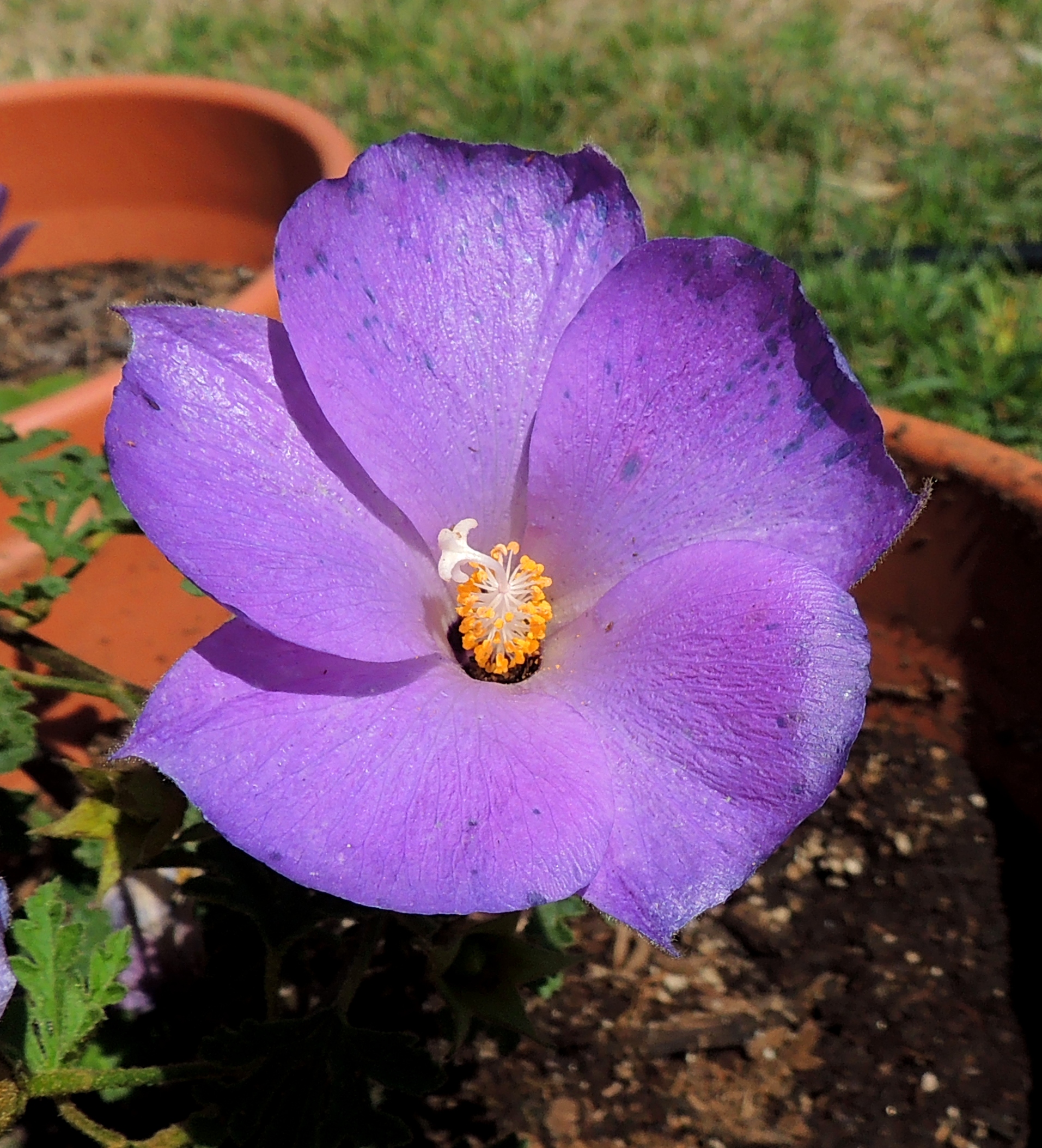
Spring and yellow. I have lots of yellow in my back yard this year. Maybe its my garden’s way of welcoming the sun back to the northern hemisphere. “Welcome Back!! We missed you!”
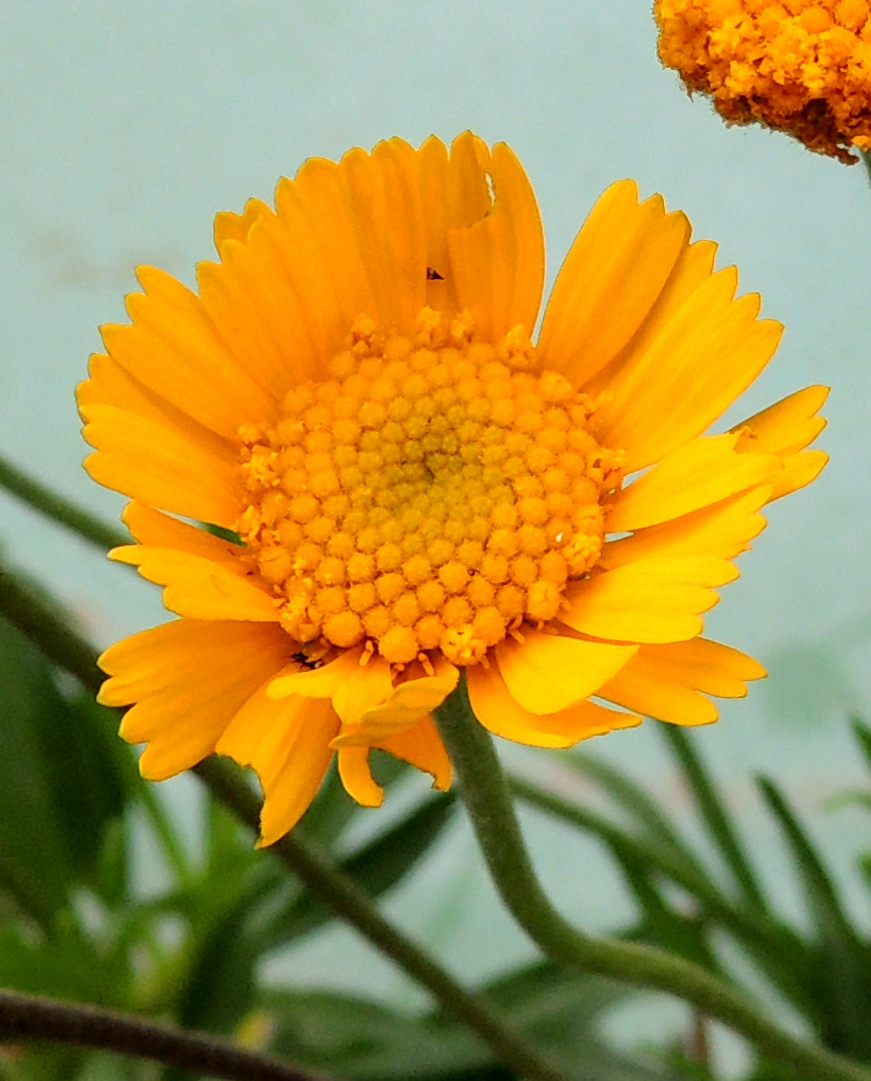
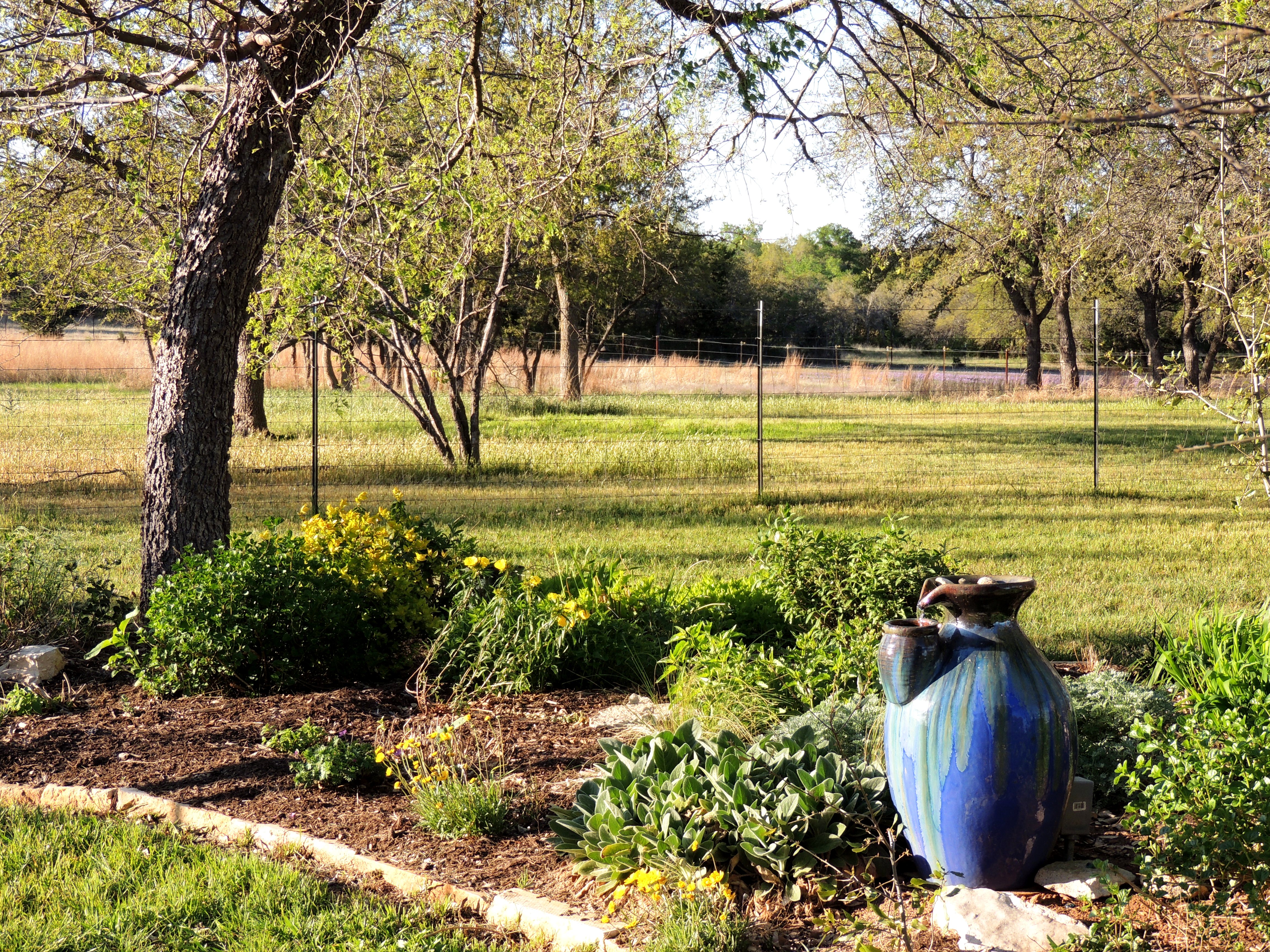
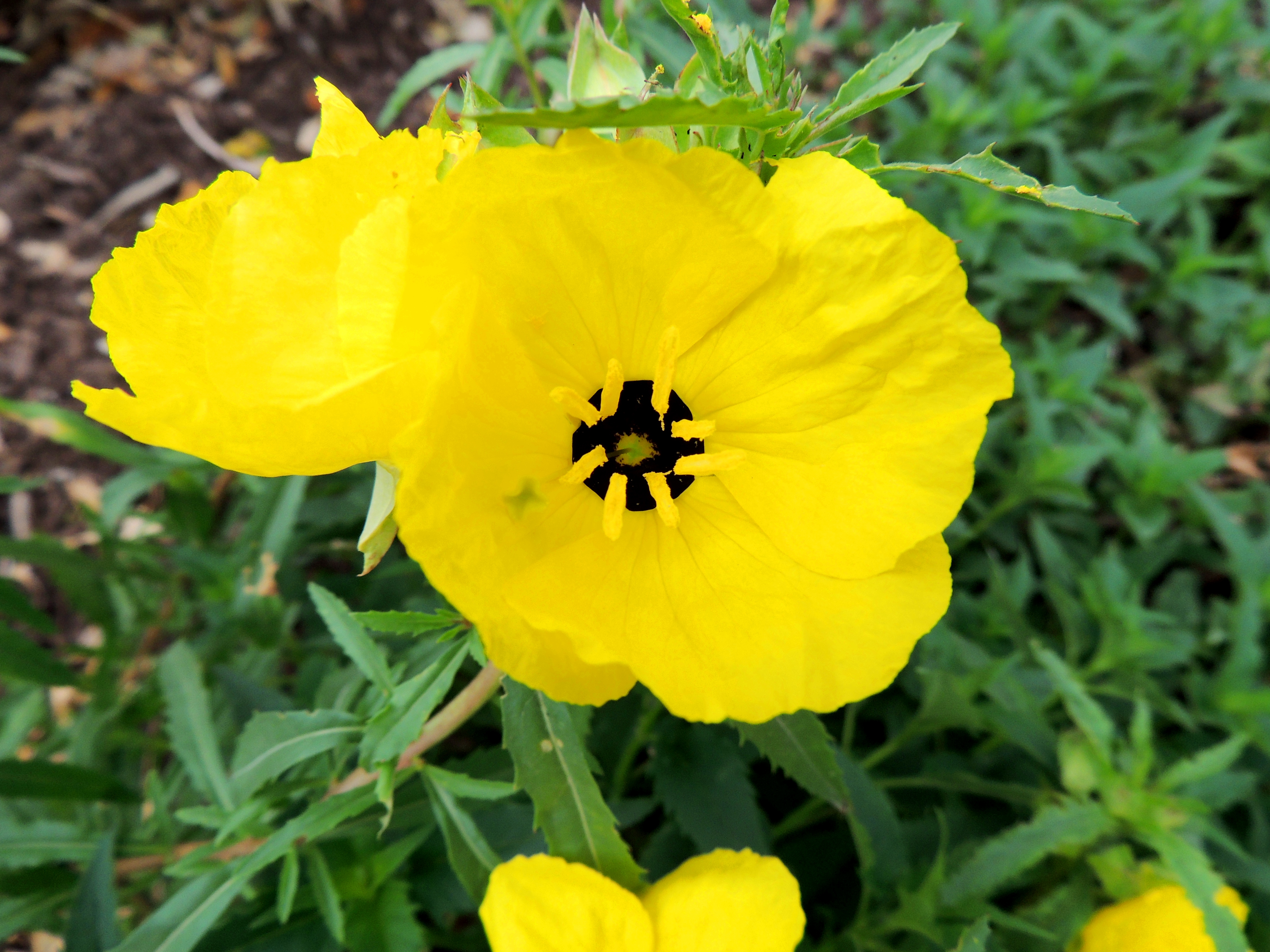
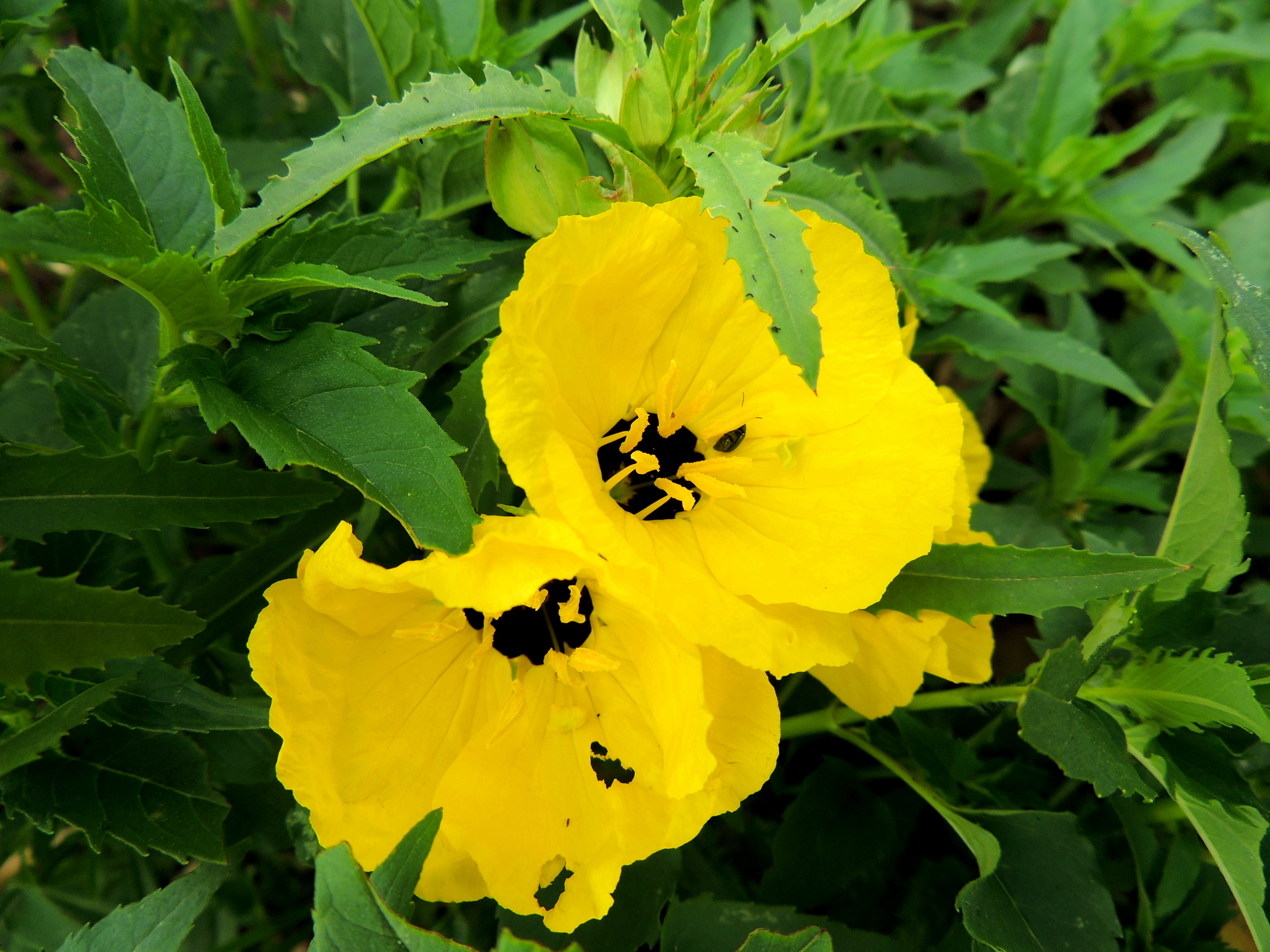
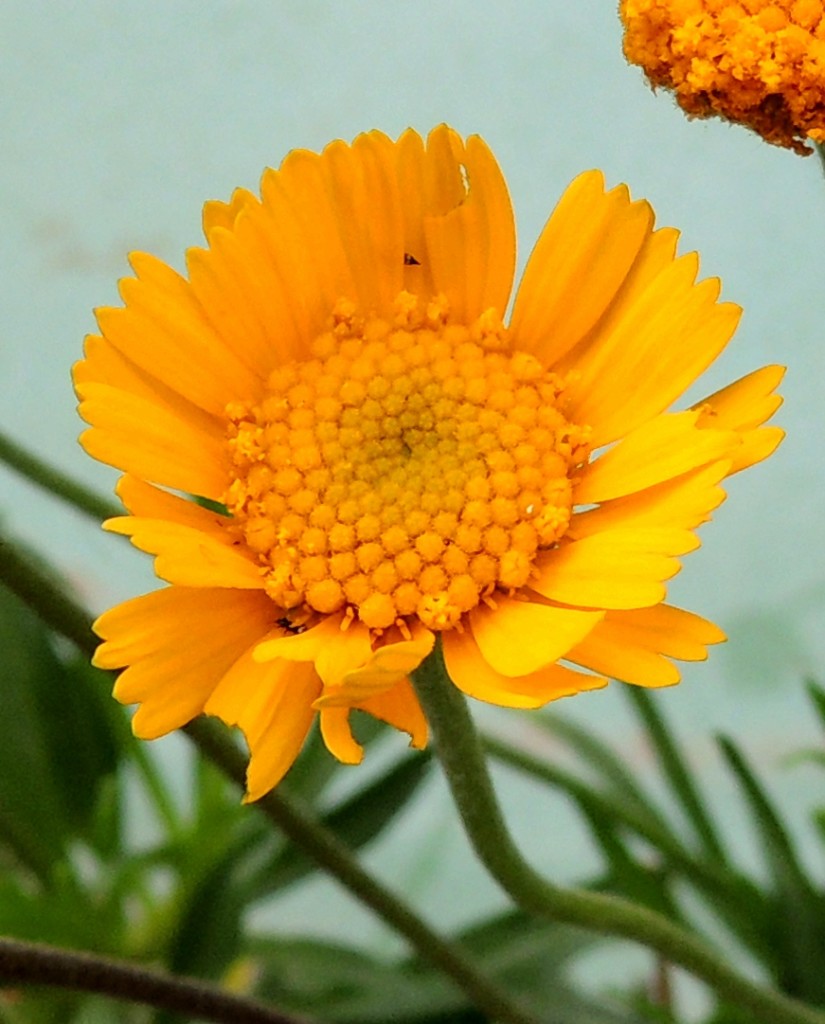 Thanks to the Four Nerve Daisy and Calylophus, which are both making and early and much welcomed spring appearance.
Even though I have lived in both hemispheres, and in two distinctly different climate zones, (crazy hot and bone-chilling-what-the-heck-am-I-doing-here-cold) my favorite time of year has been and still is Spring. In New England it was in May that my heart started to sing with joy, as the trees finally budded out with fresh crisp green leaves. The grass became an intense emerald green that was soothing to the eyes and spirit, especially after a hard, grey winter. And the lilacs and azaleas burst out in vibrant purples and pinks that brought happiness just by glancing at them. Everything came to life and you could literally feel the energy of the earth rushing to the surface and infuse everything with vitality.
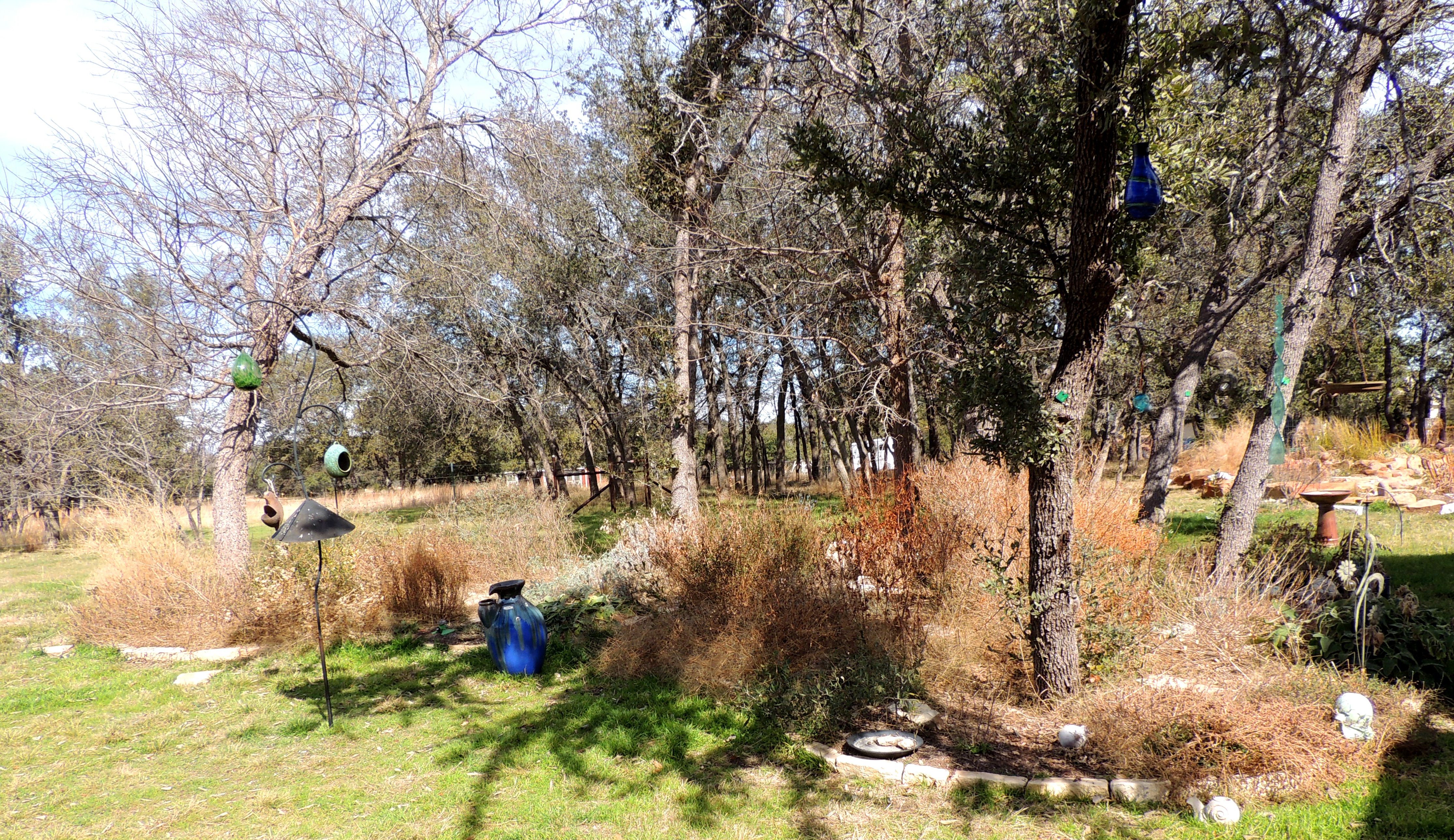
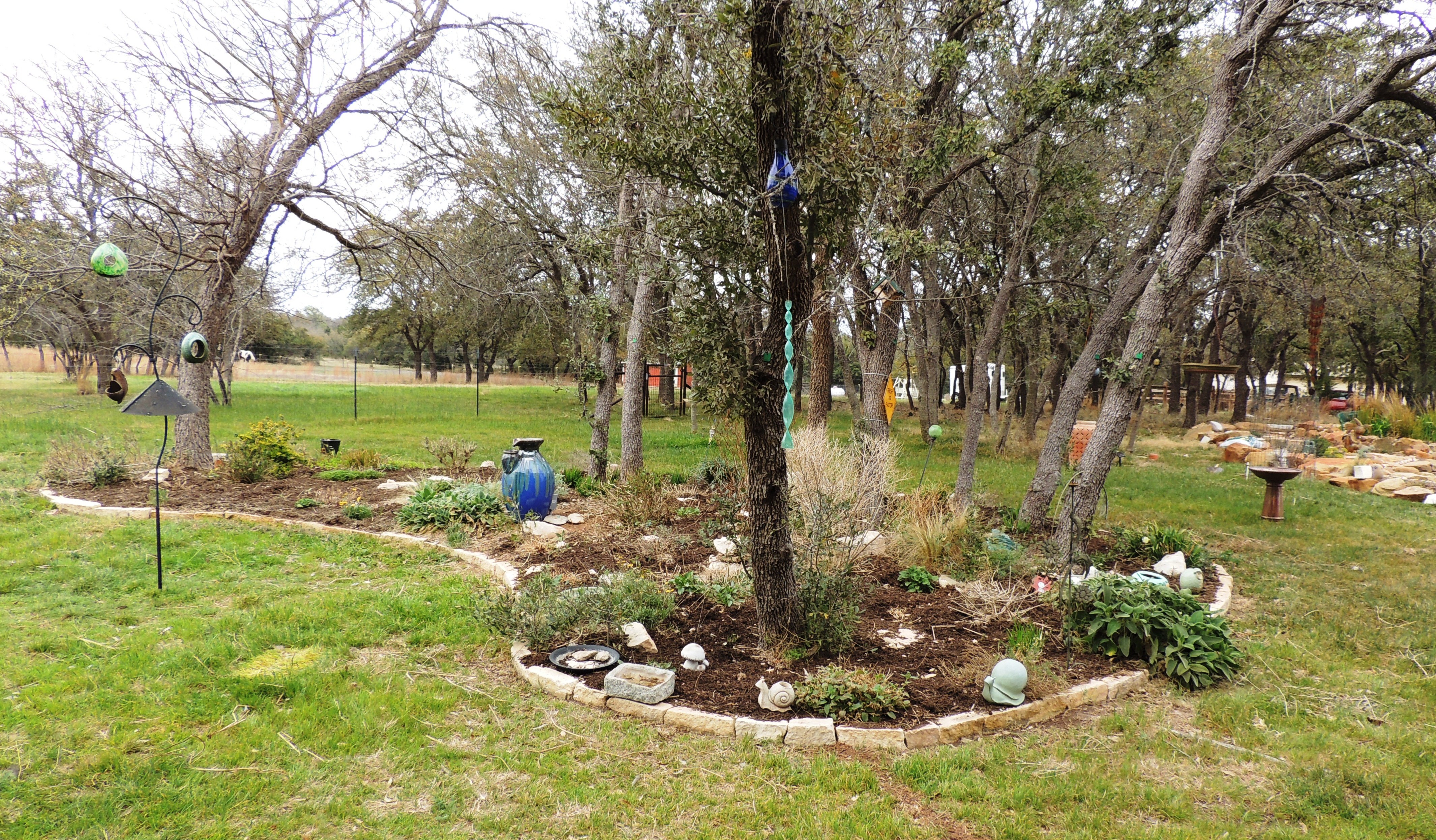
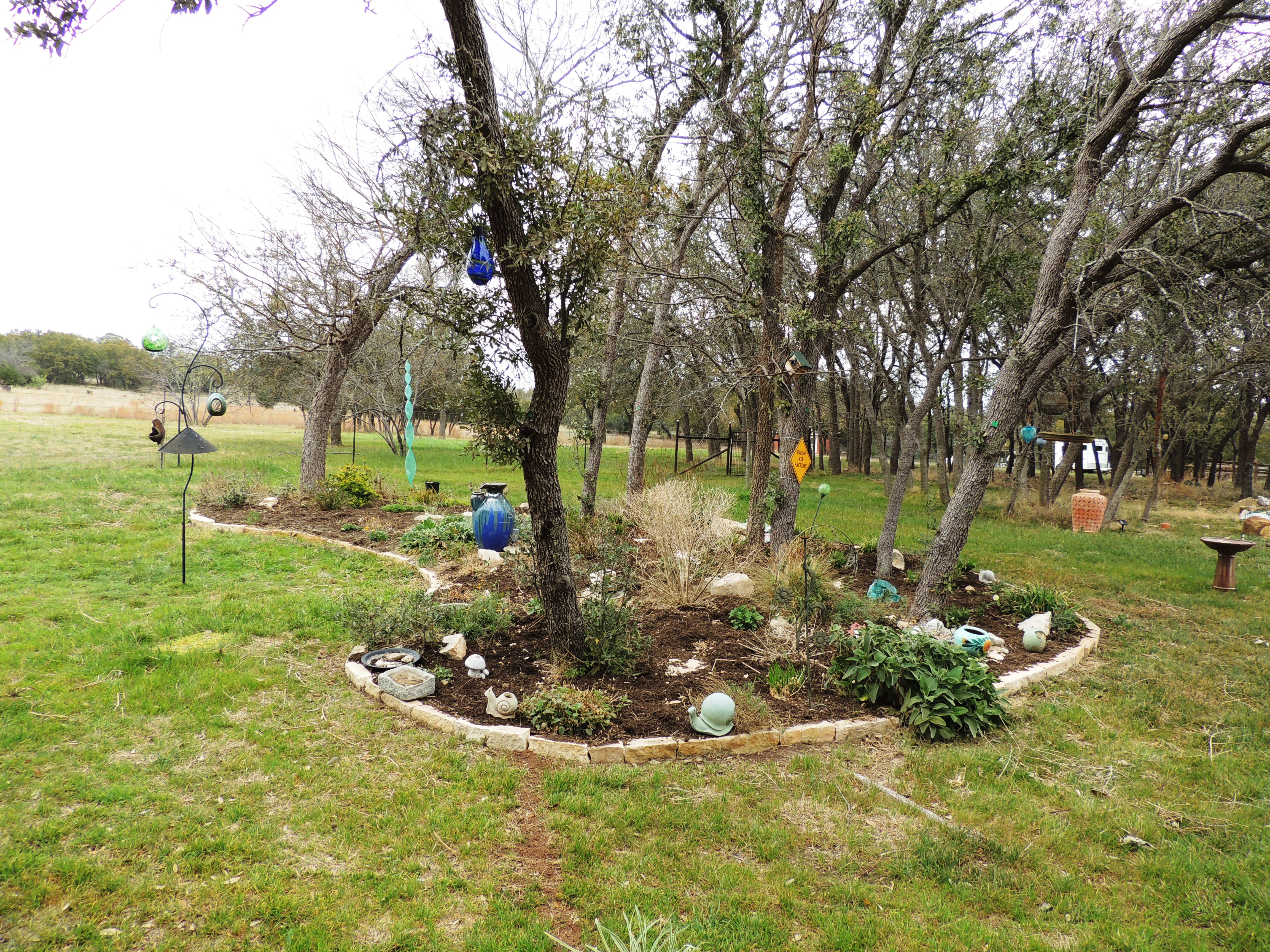
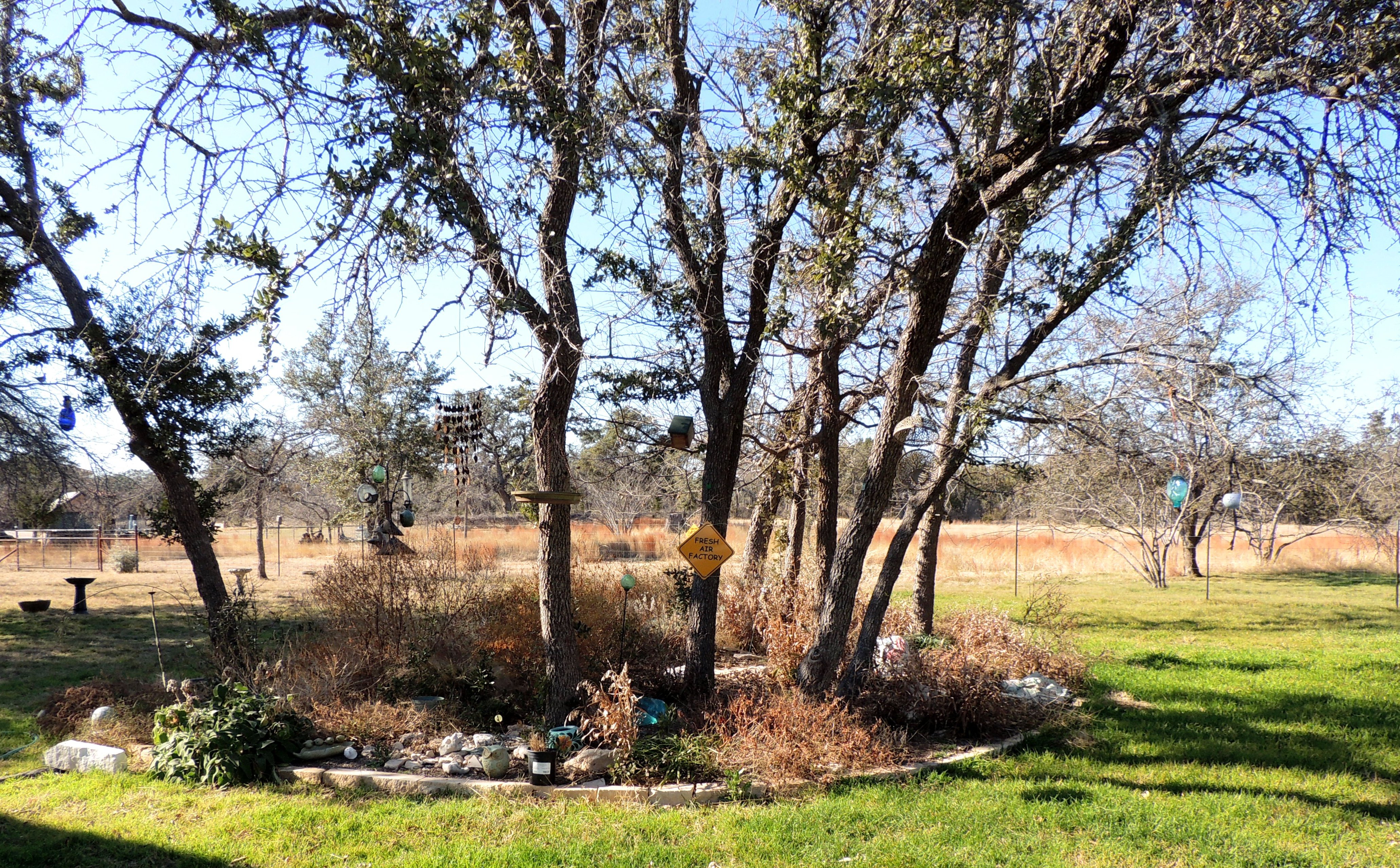
Here in Texas it is a little different. Mid March is the time things begin to come to life. Wildflowers pop up in expansive fields and the birds sing frantically for a mate. The winters here are usually much warmer, but the grass becomes dormant and dull too. Many trees loose their leaves and the landscape becomes positively drab. Especially after a cold winter, such as the one we’ve just had. After many hard freezes the shrubs and perennials in my garden were looking sticky, dead and messy: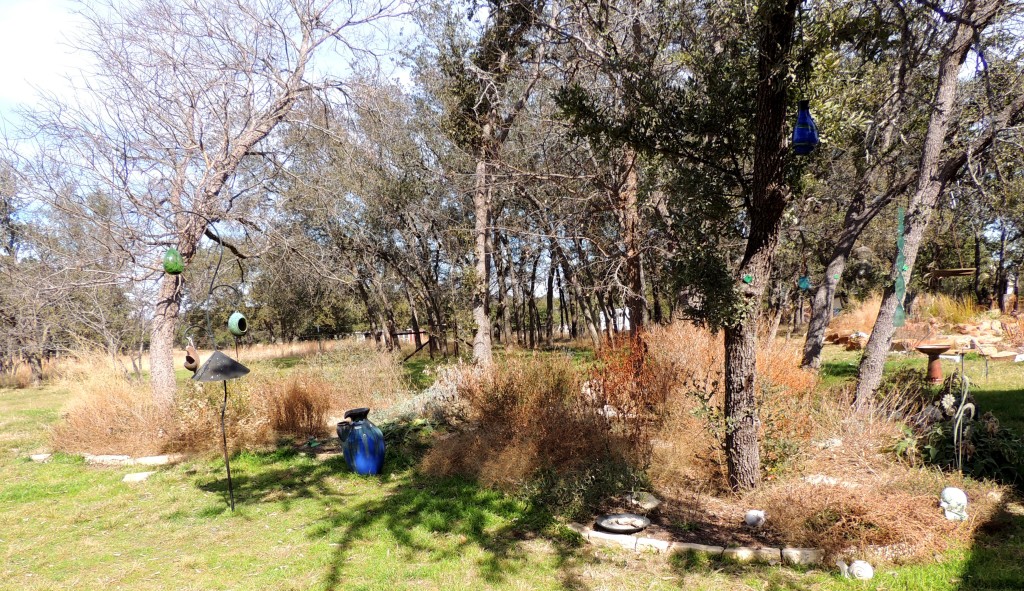 This tangled garden offers excellent shelter for hibernating lizards, caterpillars and some brave butterflies, as well as various other insects hiding in hidden nooks and crannies, and I usually leave it alone till March when it has warmed up some. In late March though, I usually can’t stand the unkempt look any more and fervently start cleaning out the dead sticks and foliage. I fertilize, compost and mulch the area in hopes of creating new homes for any displaced critters and feeding the plant roots below. But the end result is so much neater and for me much more pleasing to the eye.
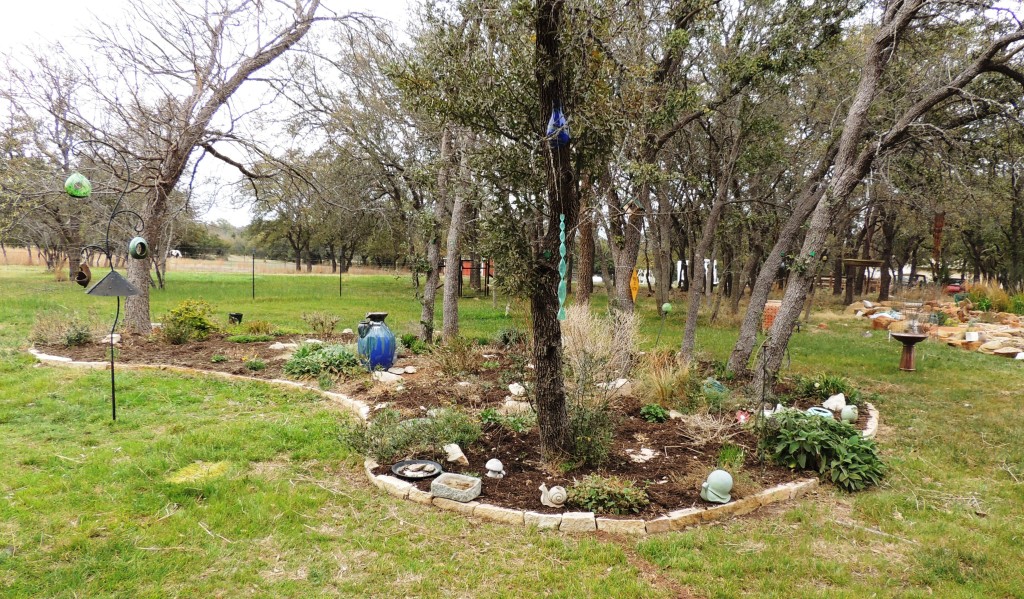
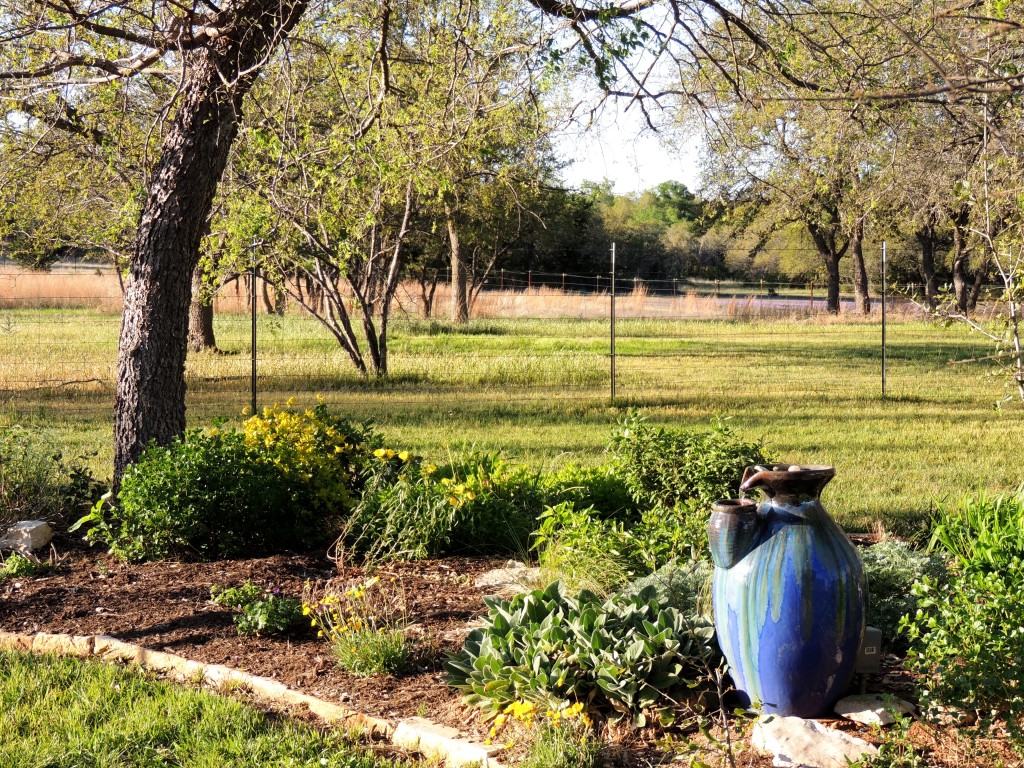 The cleared out foliage makes it’s way to my compost bin (which I desperately need to screen and scatter), and the new sprouts now have the room to grow without competing with the old twigs.
Some plants really went dormant this year with no signs of life. I am hoping they are still alive and that I will see foliage popping out in the next week or two. I had some losses already this year. All but one Golden Thryallis died from the cold, leaving me with a puzzle on what to replace the now empty spot it left behind. I need something bright, tall and yellow that can handle some shade. Hmmmmm I guess I will need to go nursery shopping. Oh the horror!……. hehehehehe.
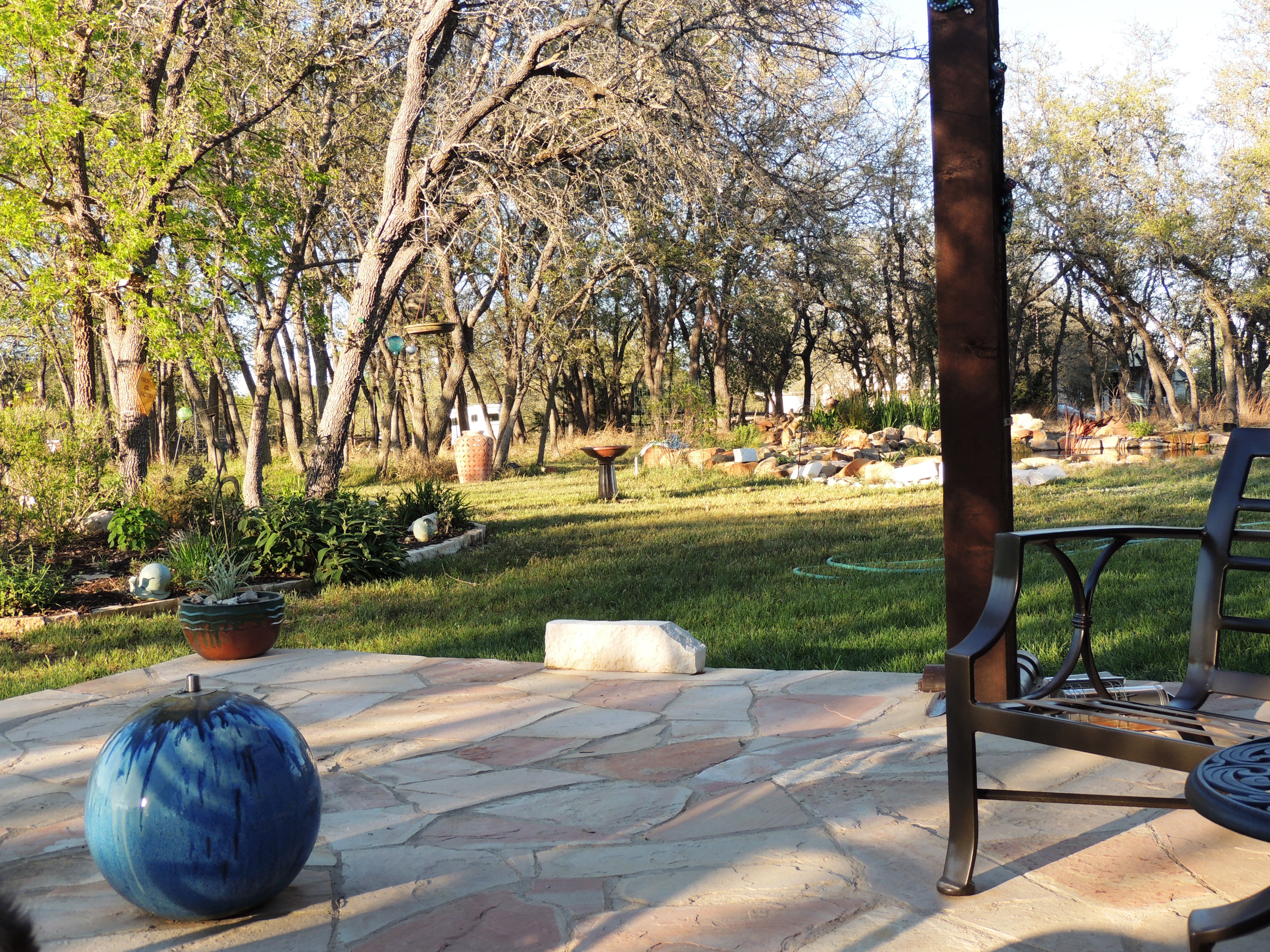
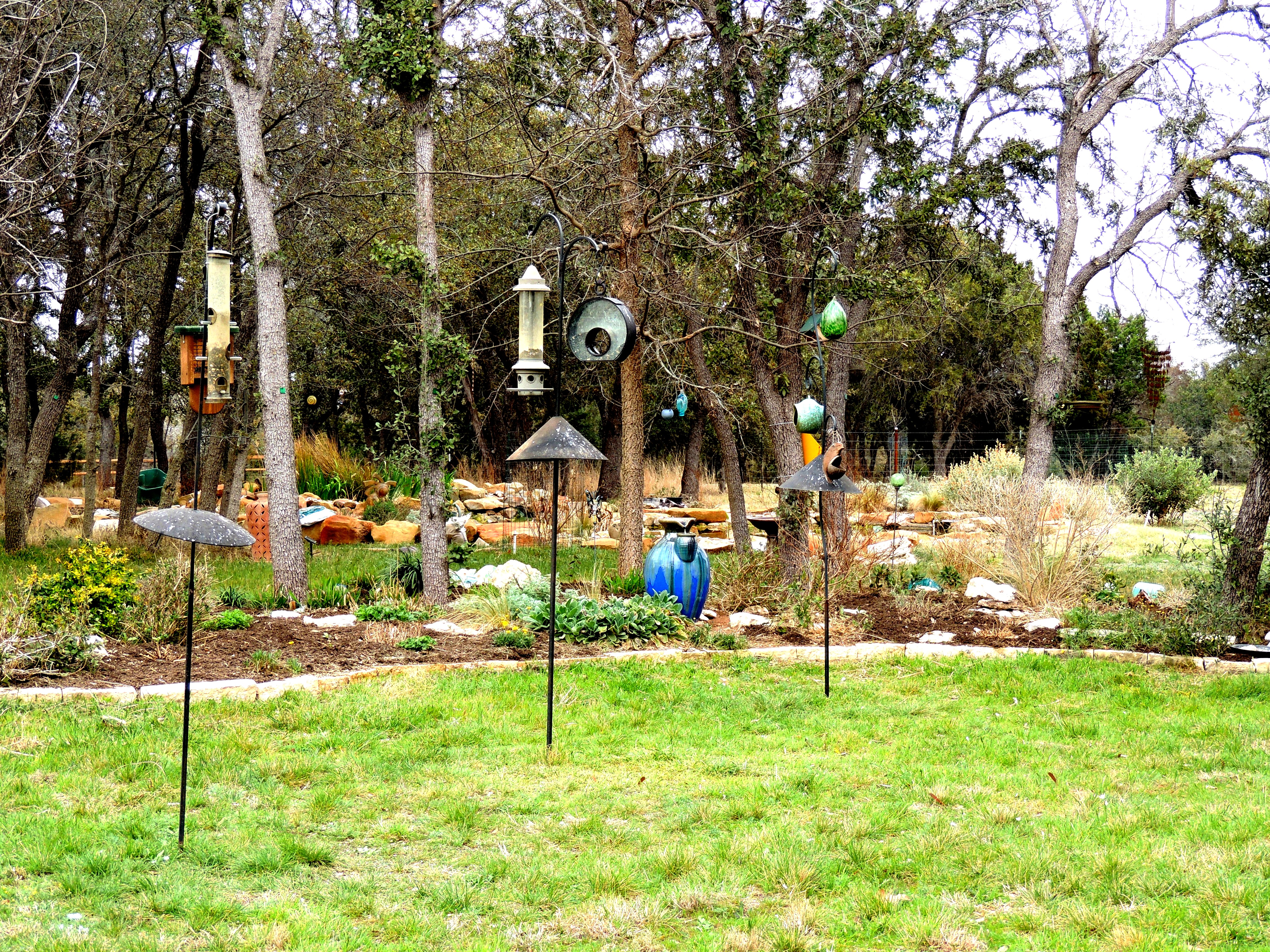
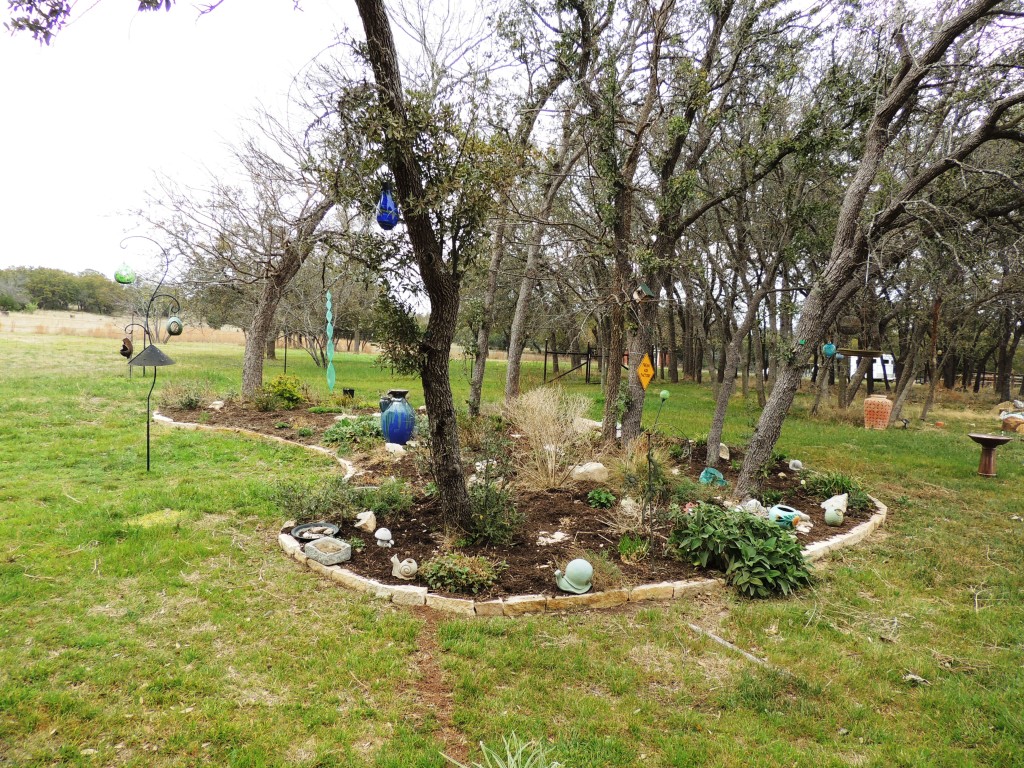 We love my view from the back patio. So much in fact, we often sit there and admire the view with a glass of wine at the end of each day.
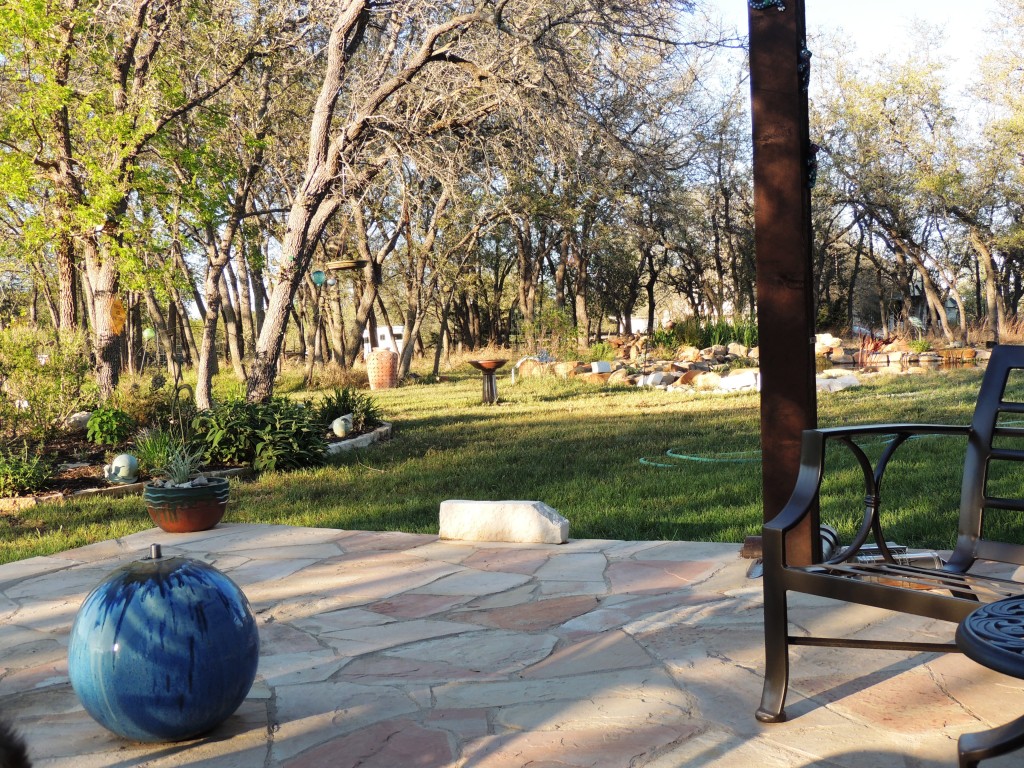
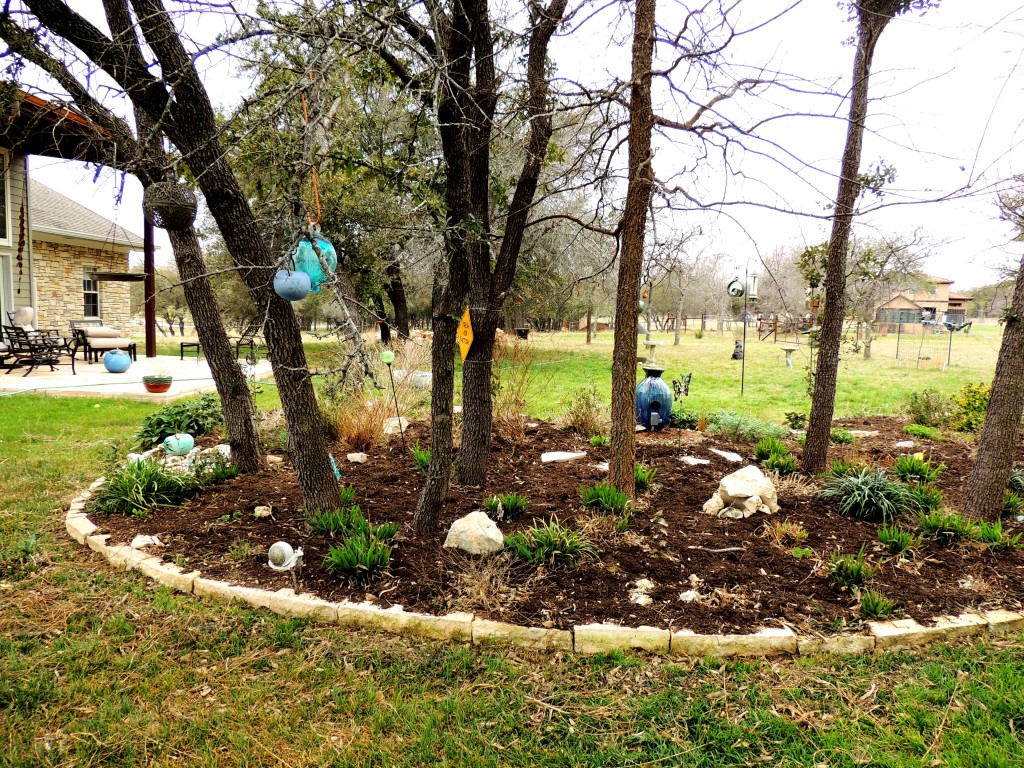
Below is a shot from behind the back of the garden before cleanup.
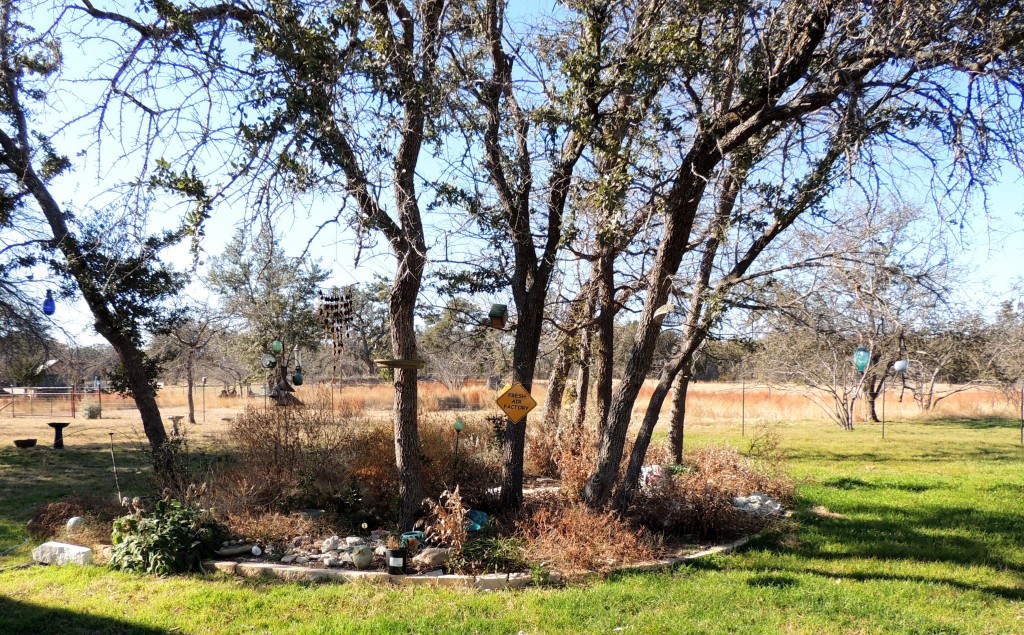
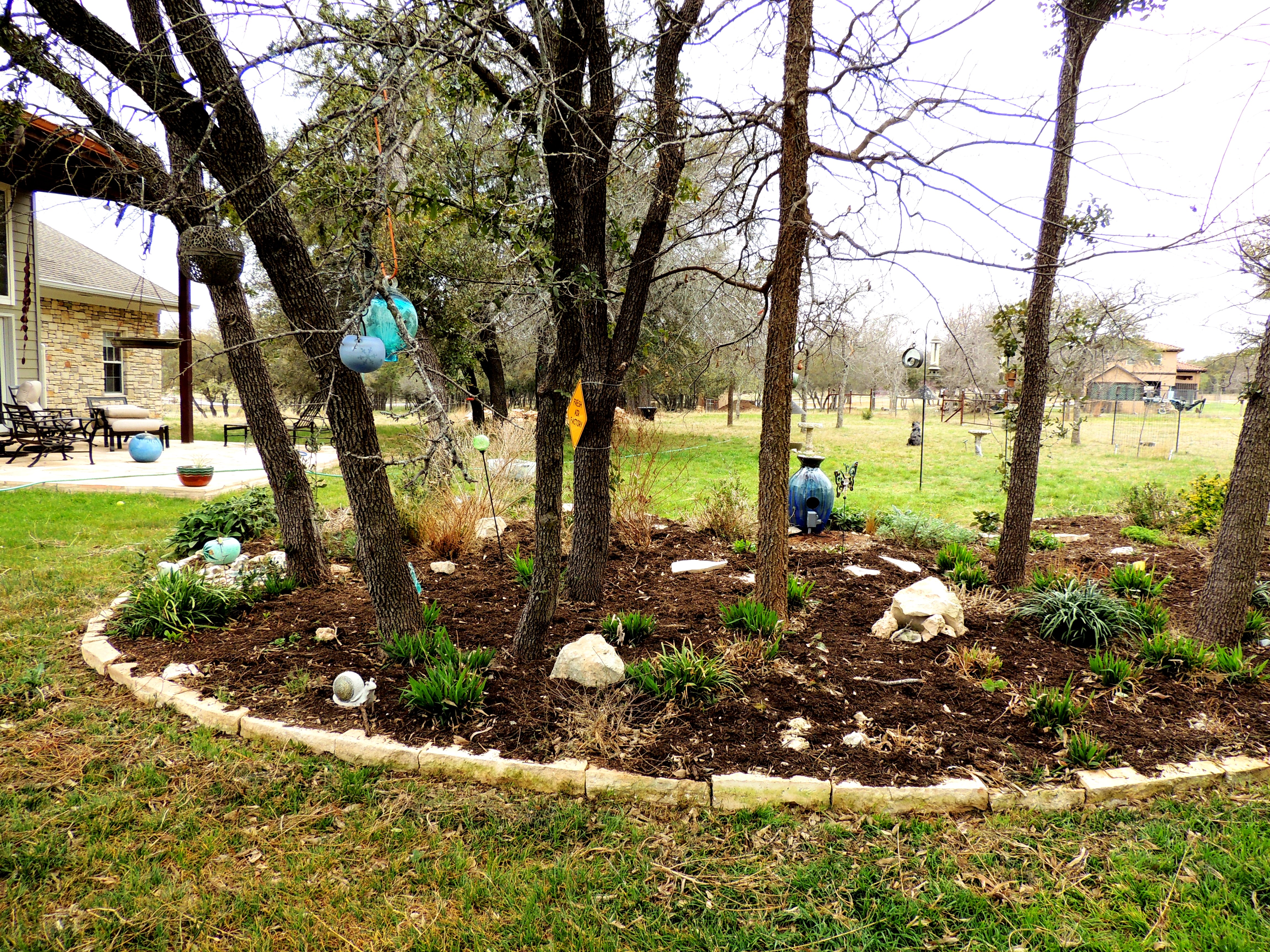
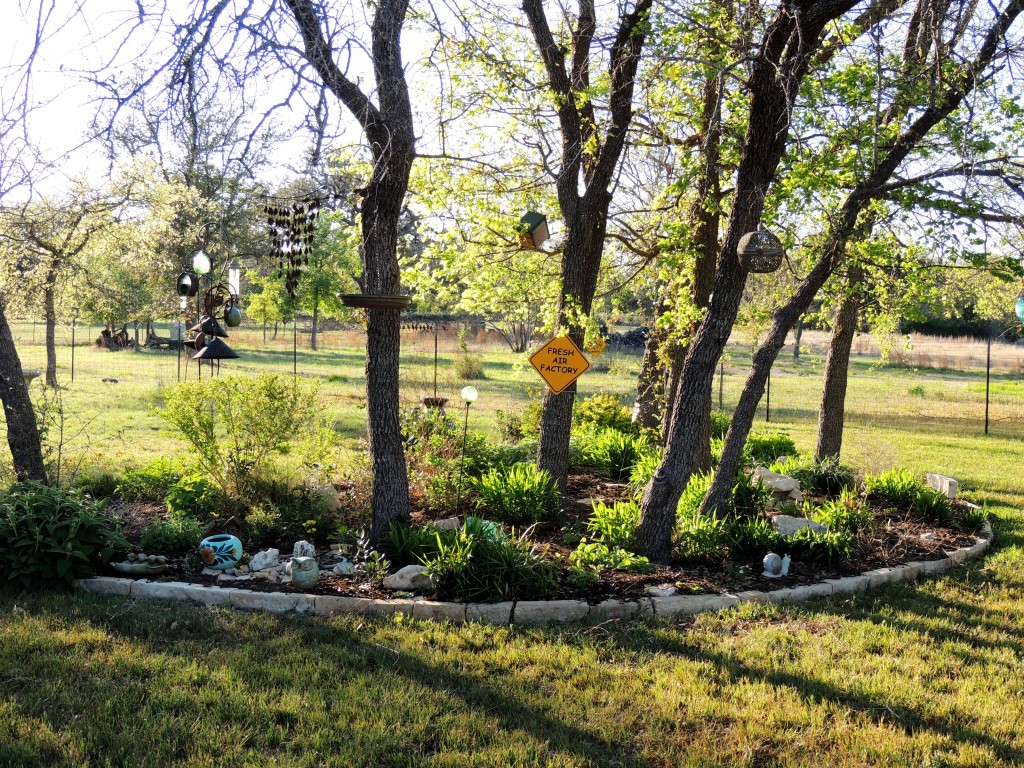
After cleanup, everything is ready to grow. The Inland Sea Oats are providing the only fresh greenery in the garden at this time. Hardy stuff it is for sure. You would only need to buy one Inland Sea Oats plant if you want some in your garden… The plant readily self seeds , but not in an obnoxious way as seedlings are easily pulled out. I like the way it has filled in the bare patches in the back of this mainly shady spot, where not many other plants will grow well.
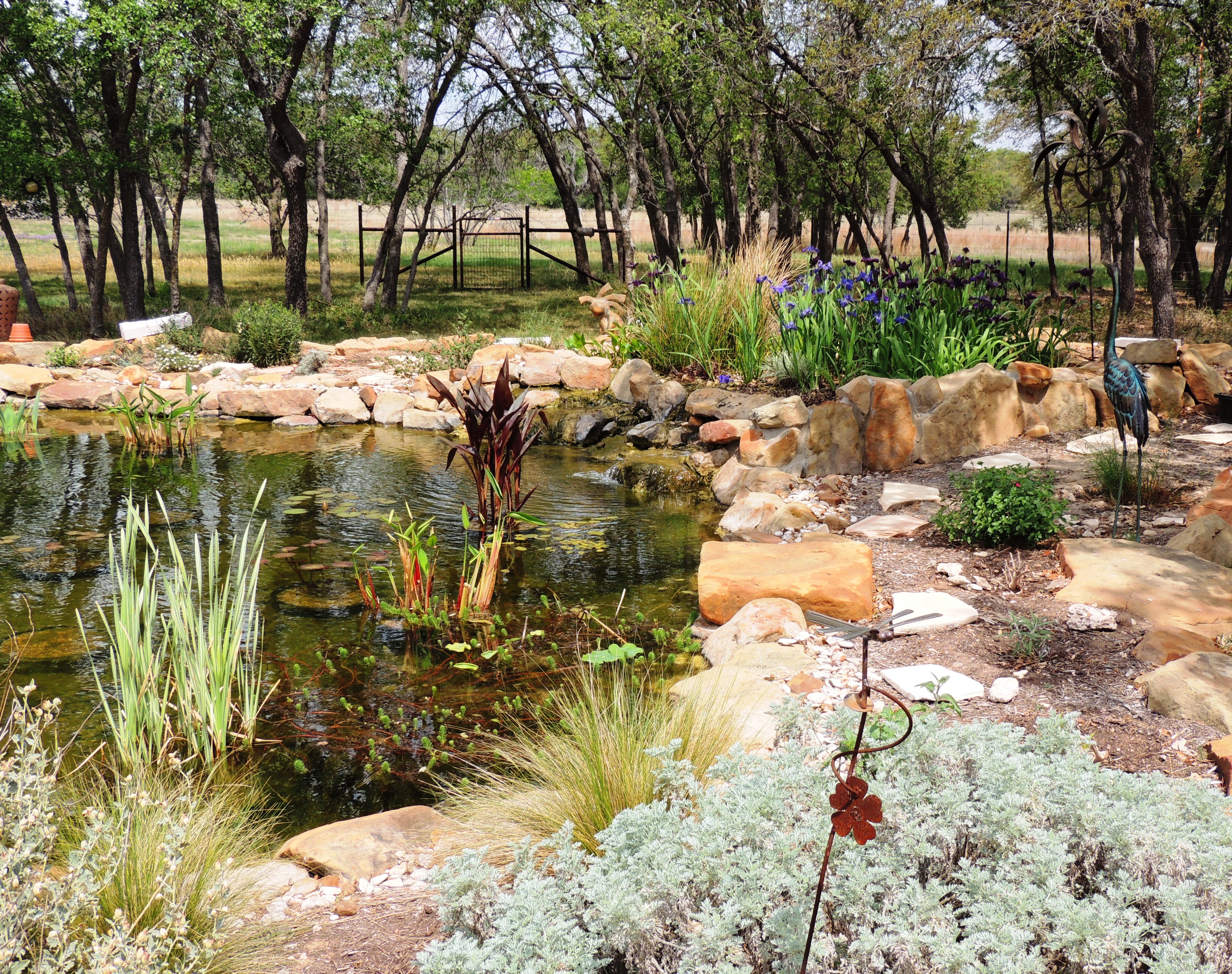
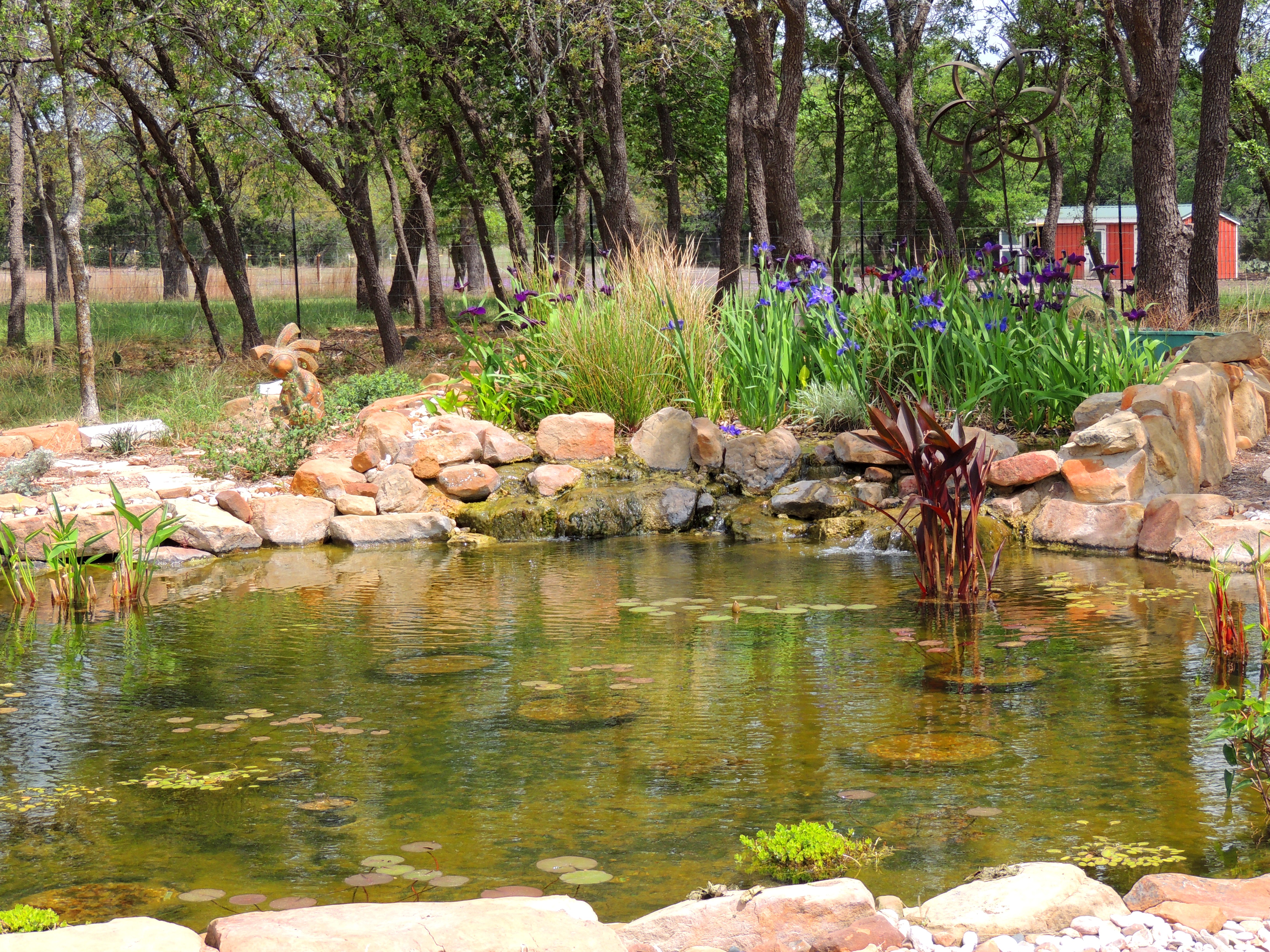
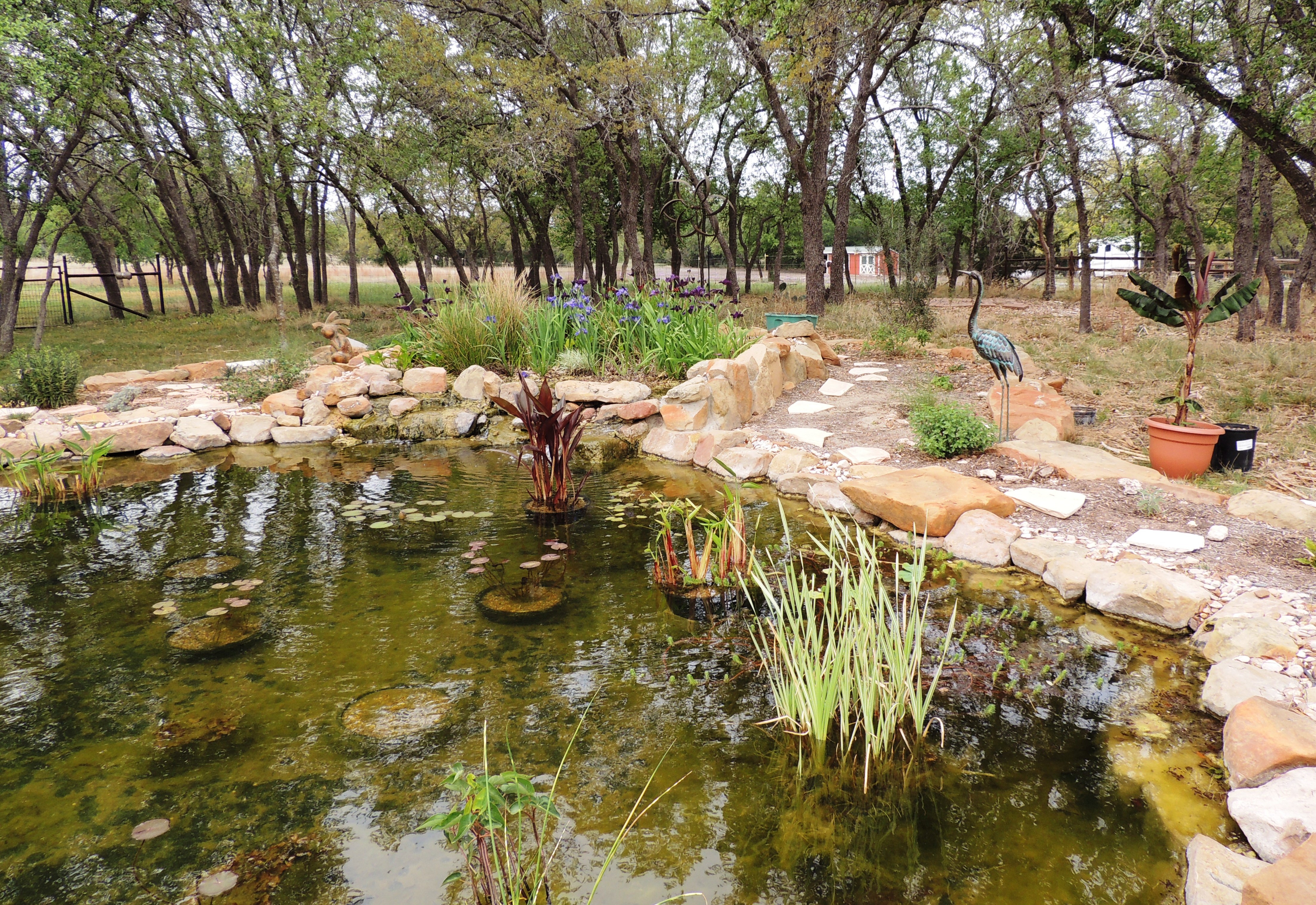
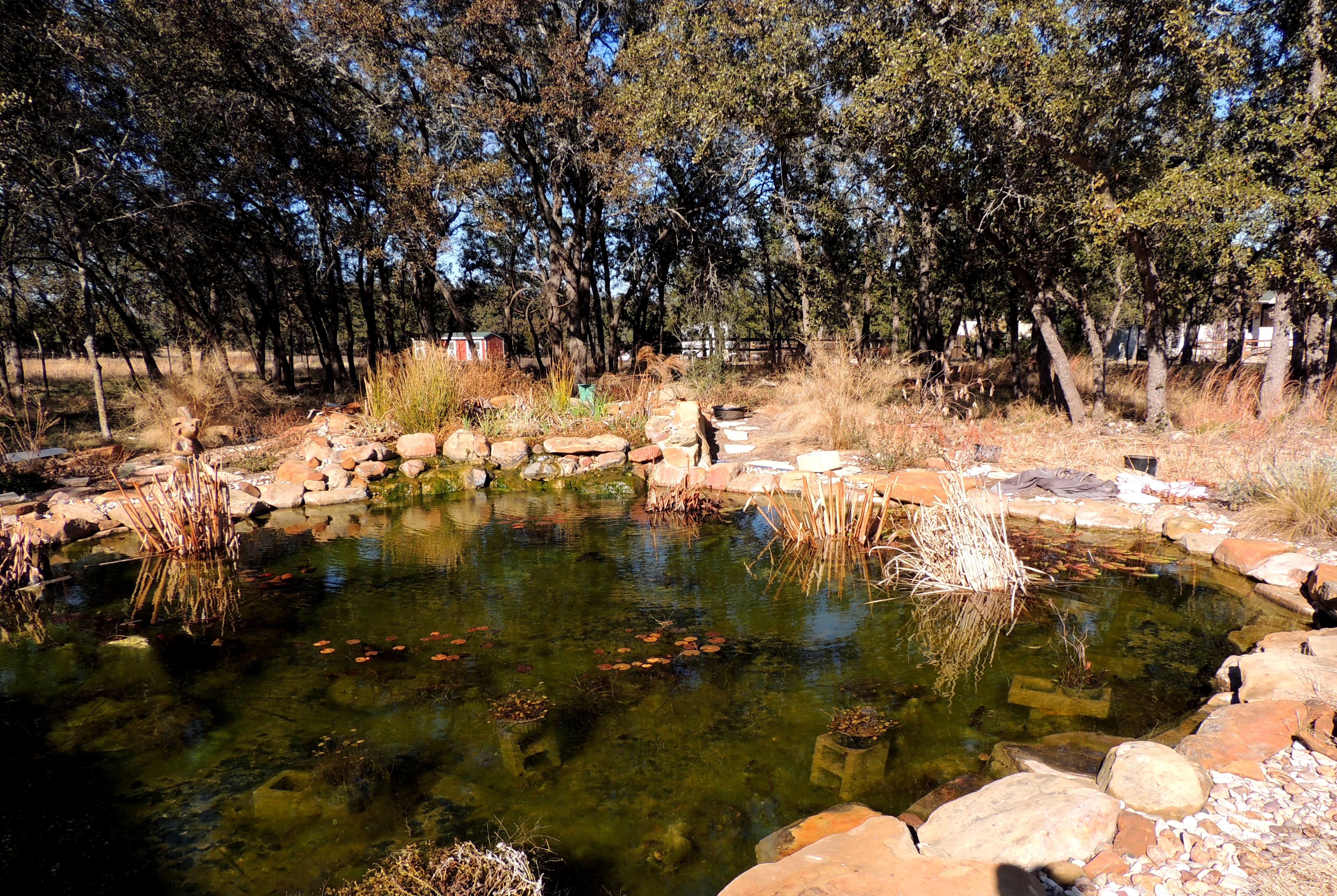
The pond too was looking messy and tired from winter. The reeds and Cannas had frozen and died and even though they looked ugly, I left them in the pond for two reasons:
Firstly, the Eastern Phoebe (a winter resident here in my neck of the woods) loved to perch on the stalks and look for unsuspecting fish and pond wildlife, before skimming just above the water to grab a tasty snack. Quite an aerial acrobat!
And secondly and perhaps more importantly, it was way too cold to get in and cut them off!!
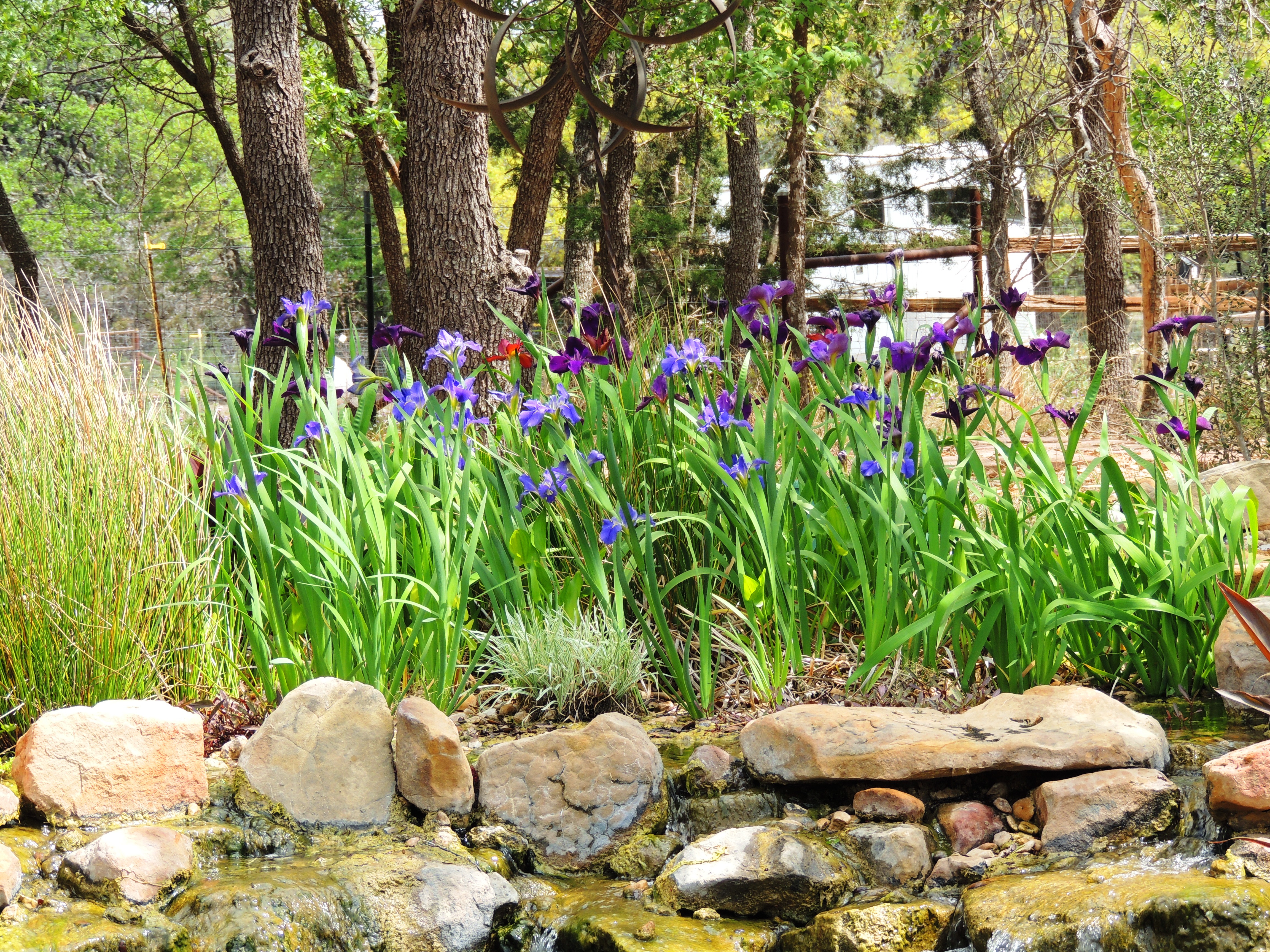
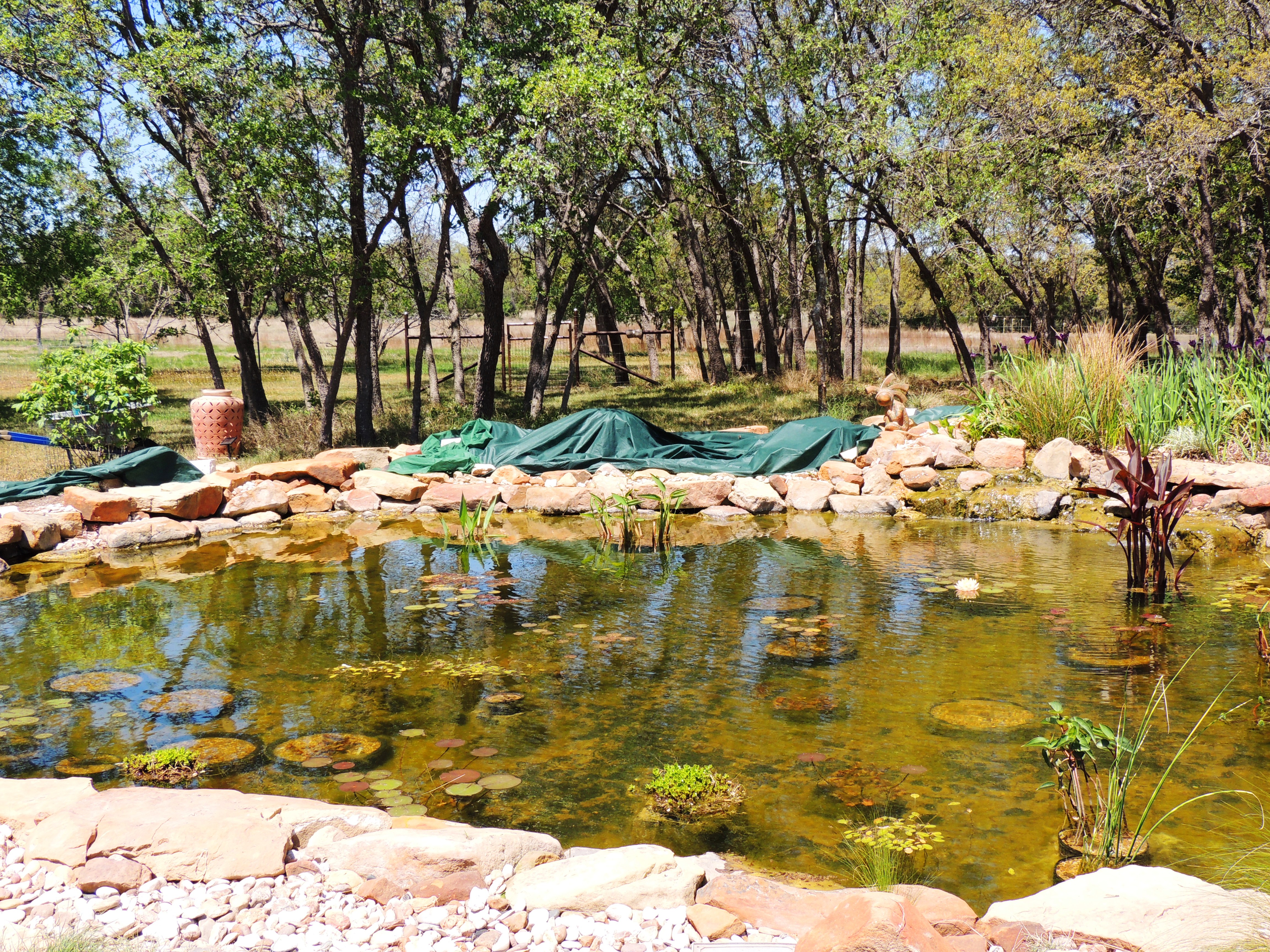
Here’s the pond before the spring cleanup. Waterlilies all died down and deeply hibernating, leaving their cement perches exposed to the world.
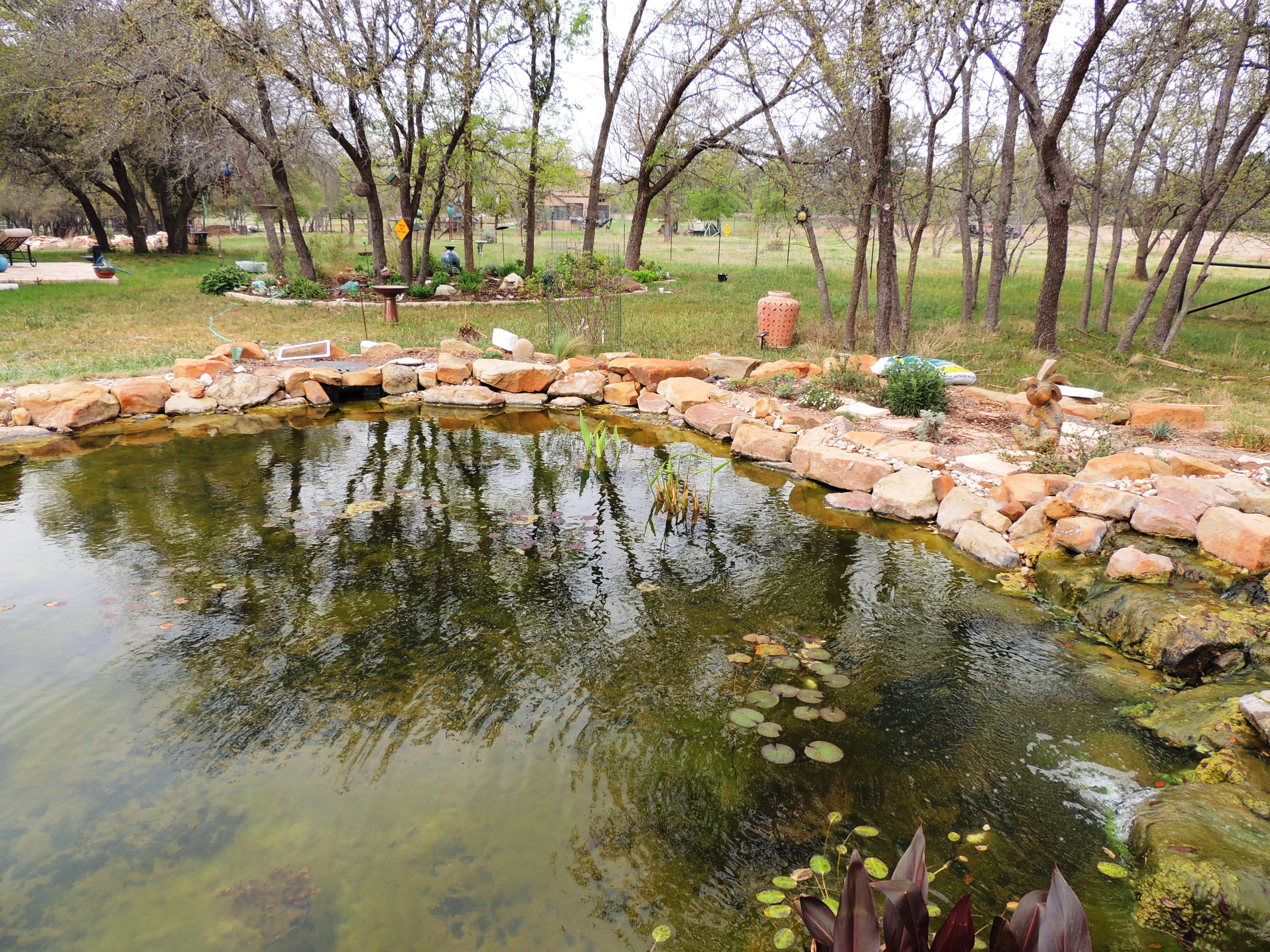
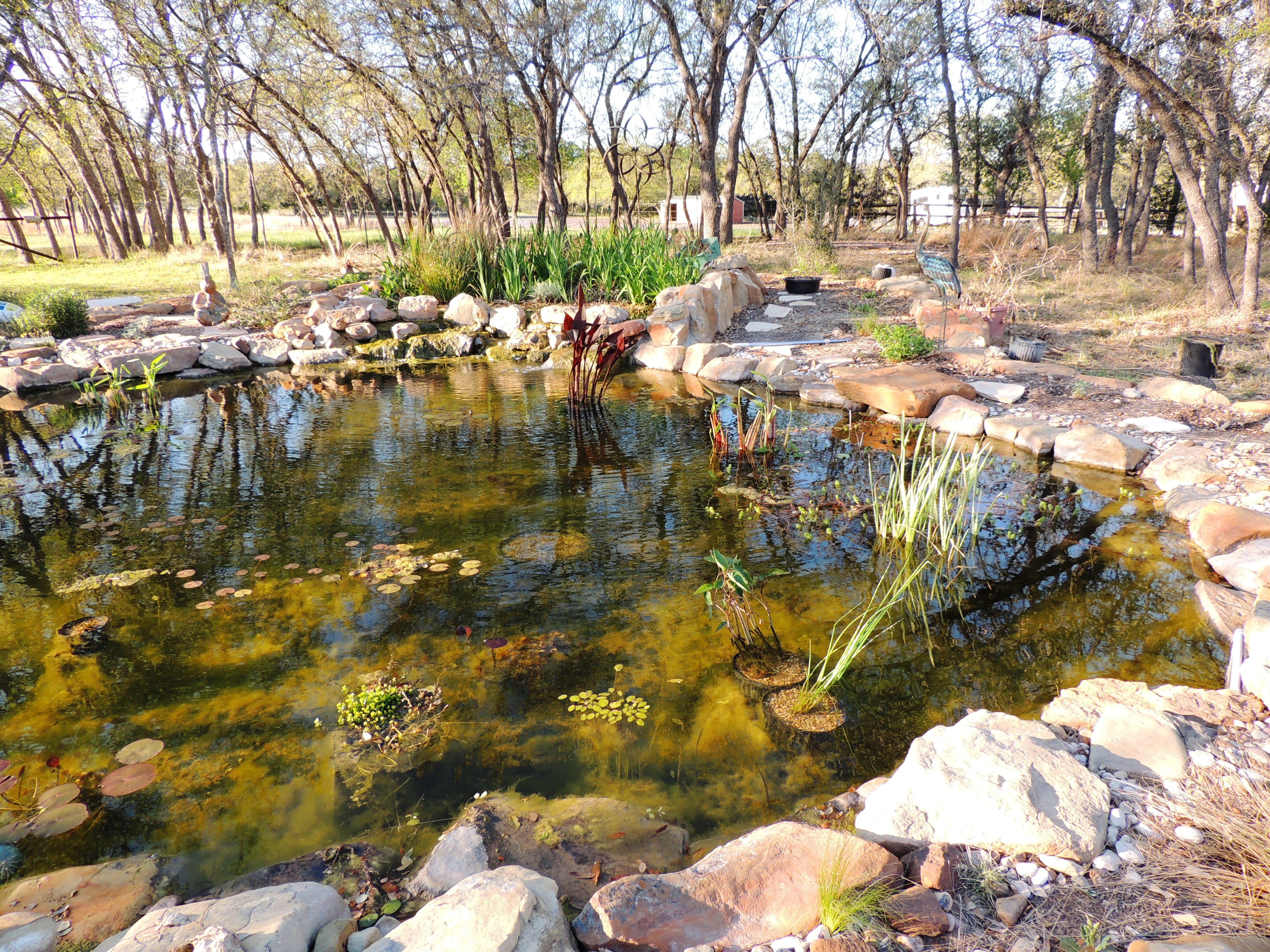
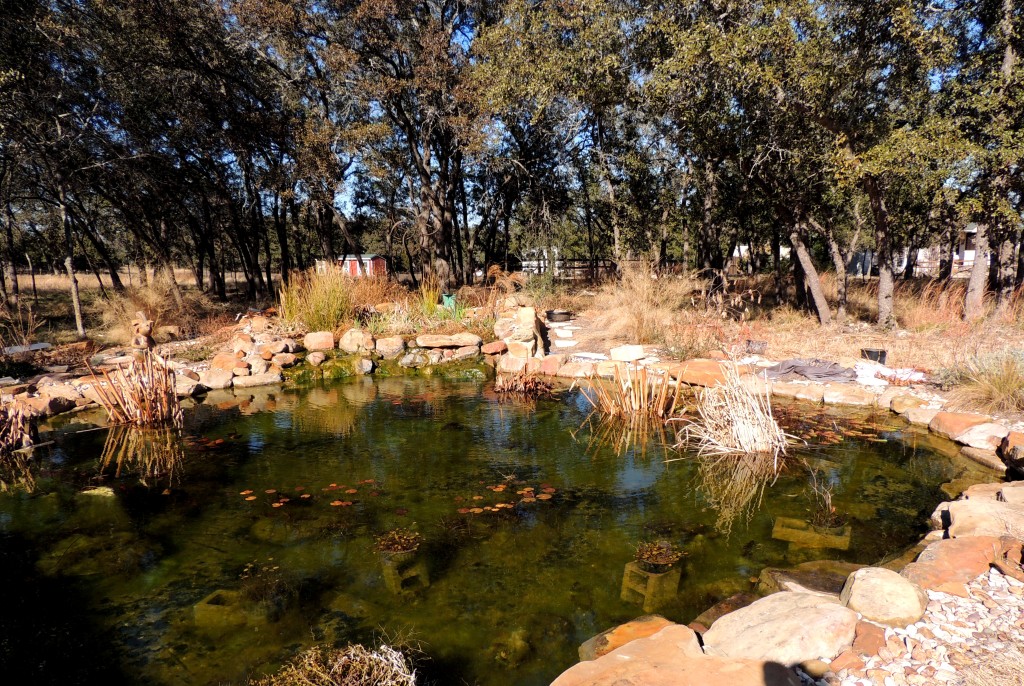 Below is a picture of the start of a major spring cleanup that always takes much longer than anticipated. Especially if the water is still cool and we have a cold front come in. 🙂
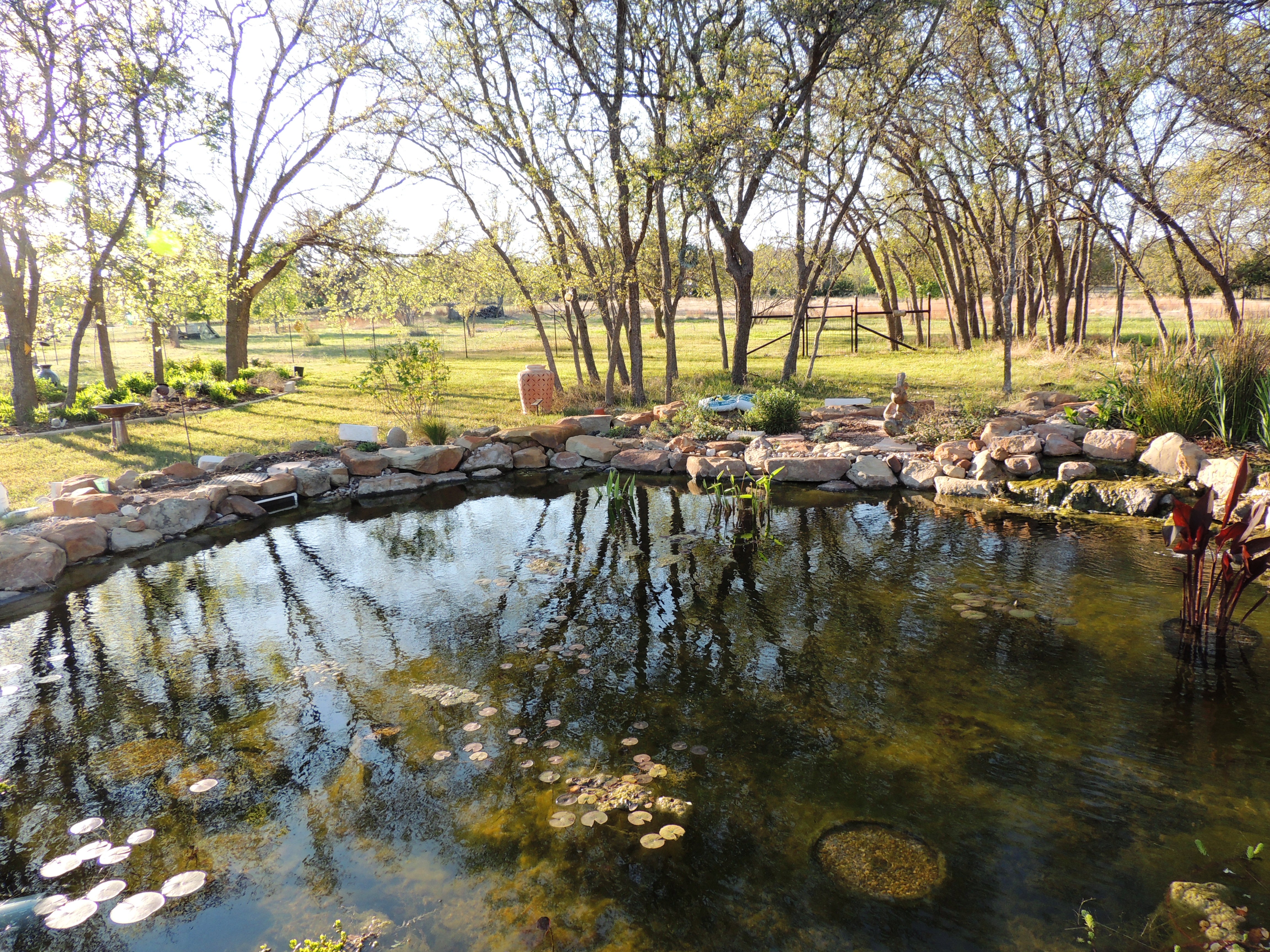
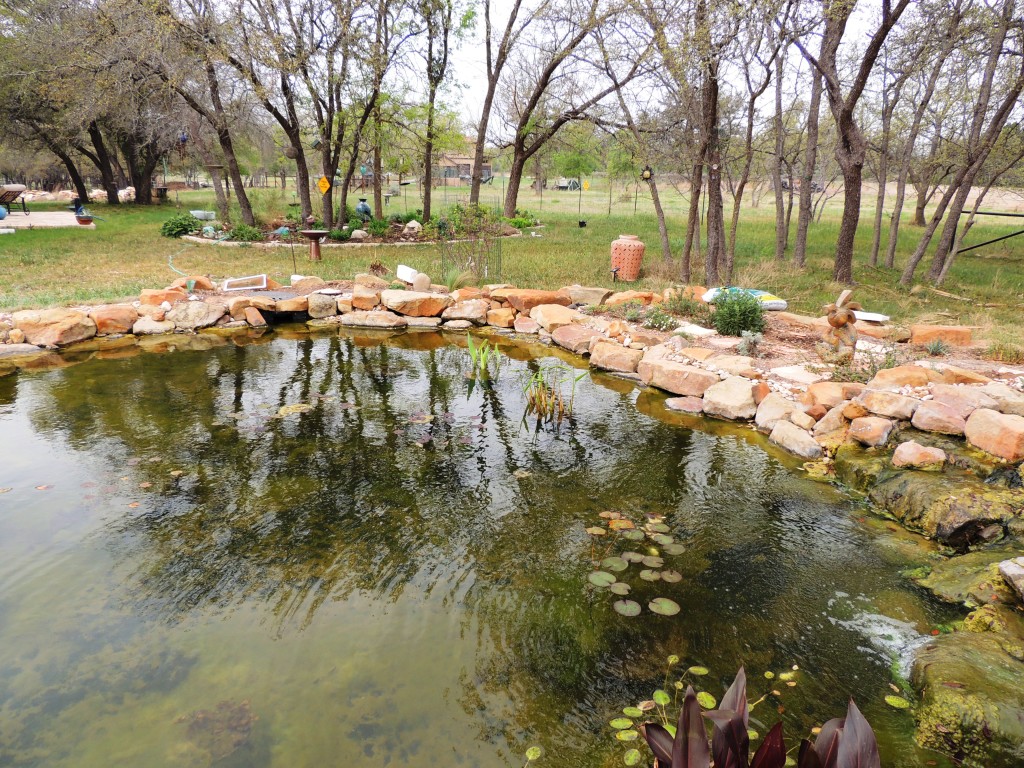 The reeds are gone and the water lilies are sending out leaf pads. The water grass and cannas are also sprouting new tender growth.
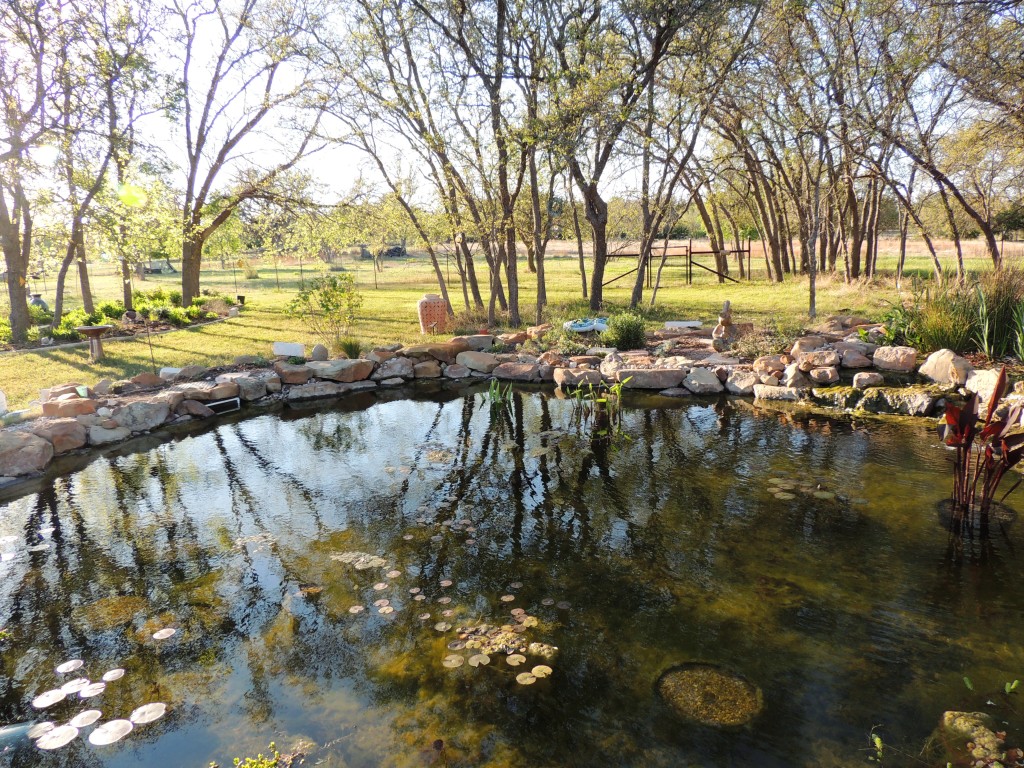
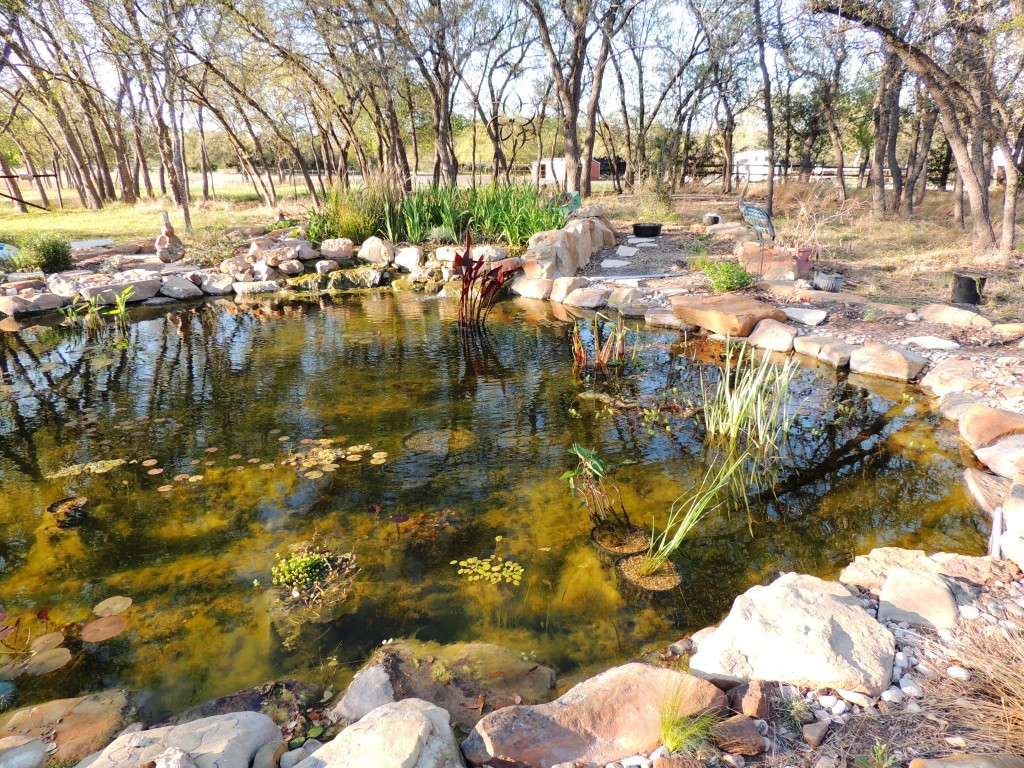
And while I am waiting for the gardens to fill in, and the pond water to warm up, (all of which is taking especially long this year), Texas spring provides me with an assortment of wildflowers to keep me entertained.
Calylophus is showing some lovely vibrant buttery yellows:
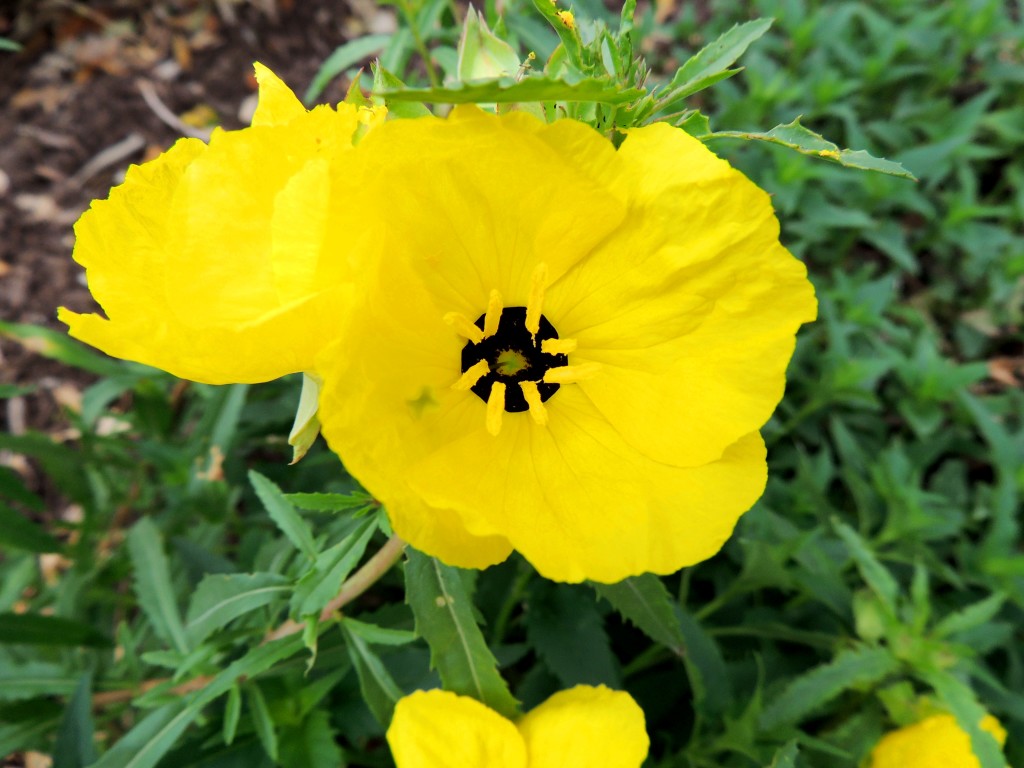
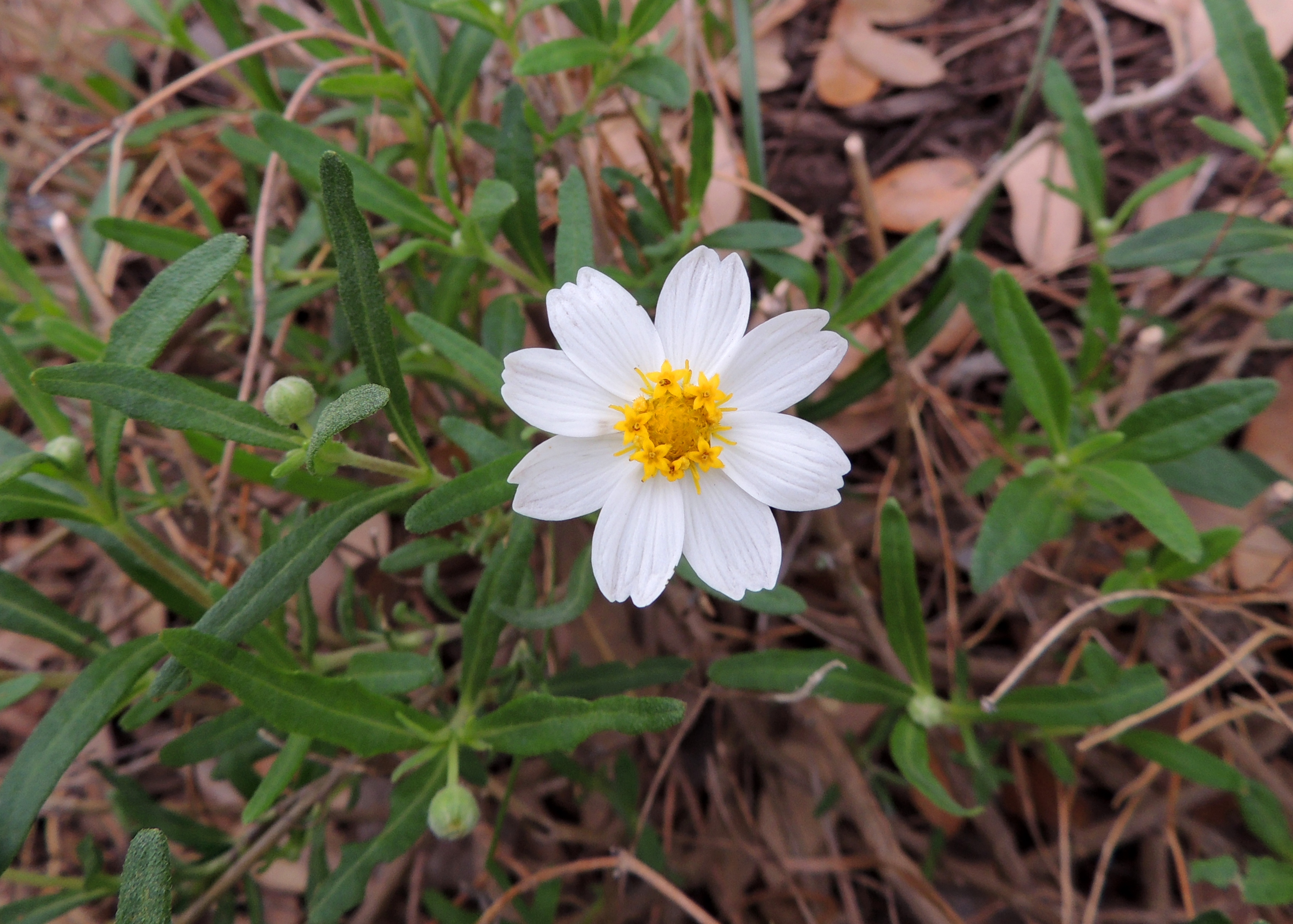
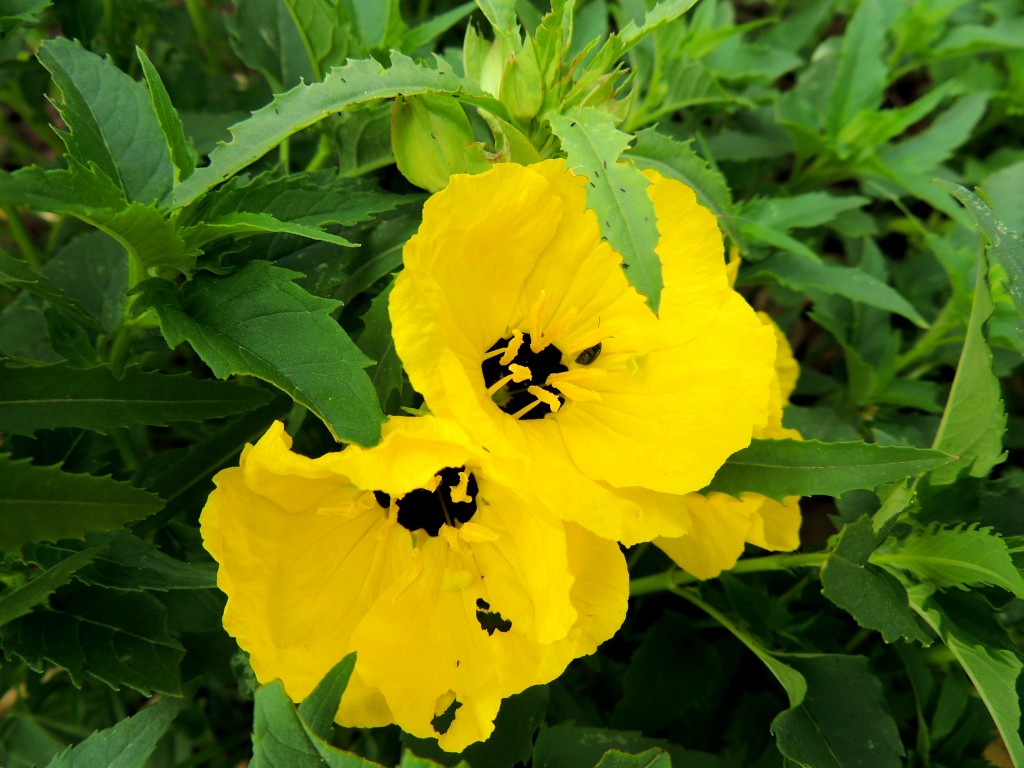 While the Blackfoot Daisy is making a valiant effort, peeking out with it’s first bloom of the year.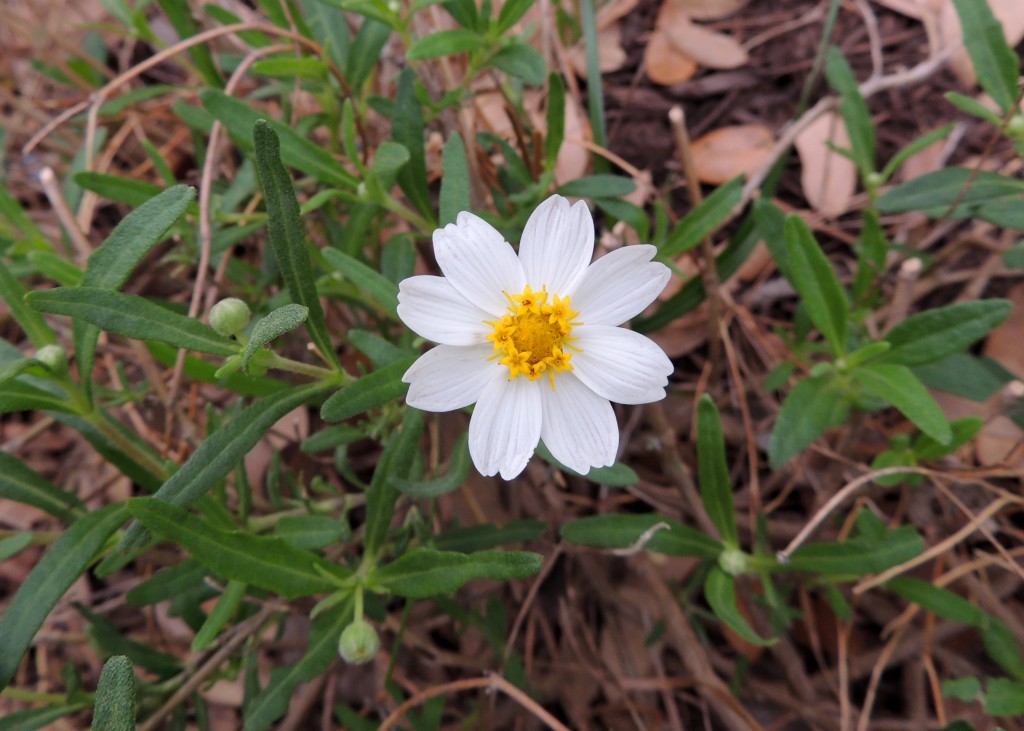
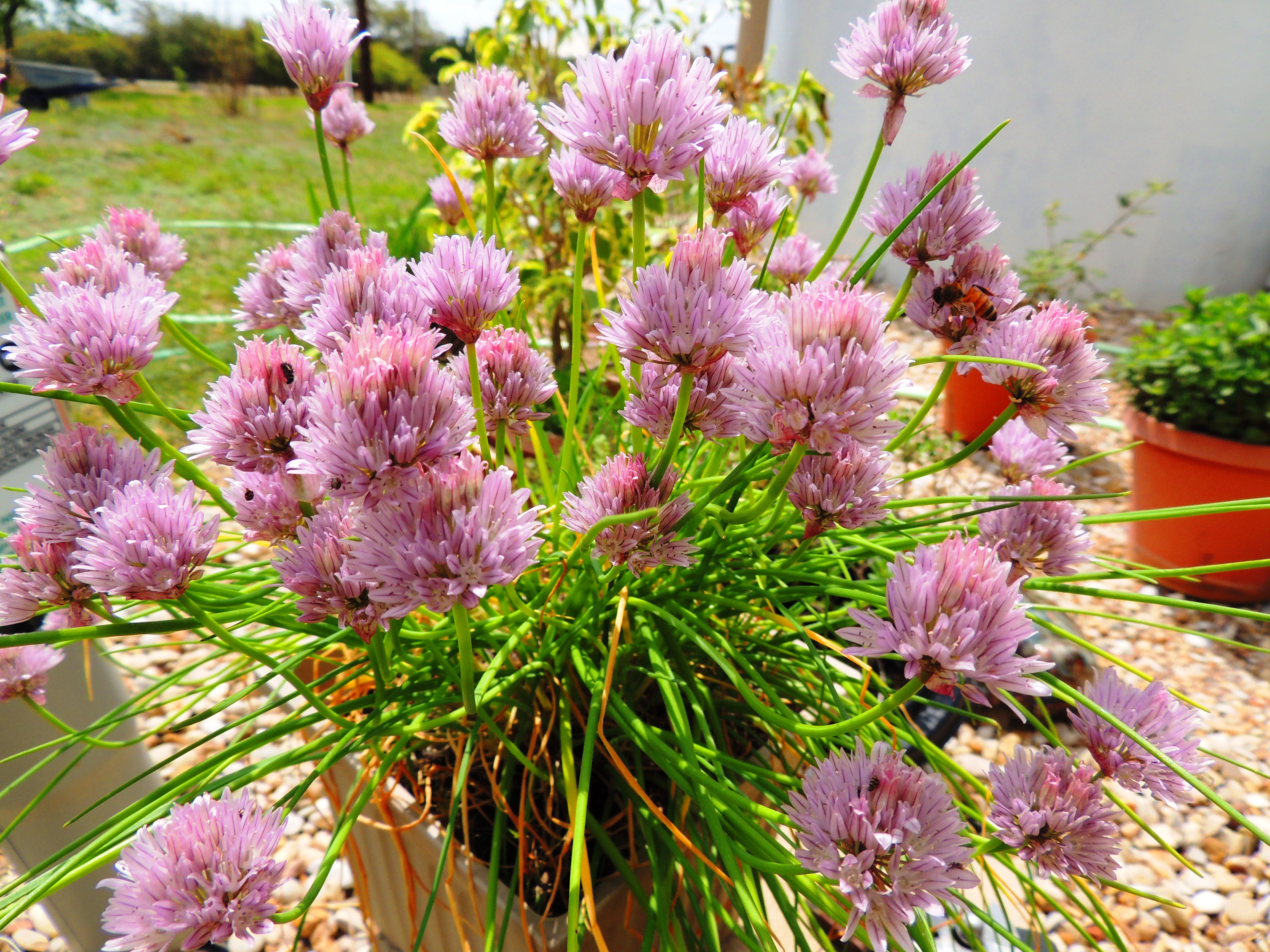
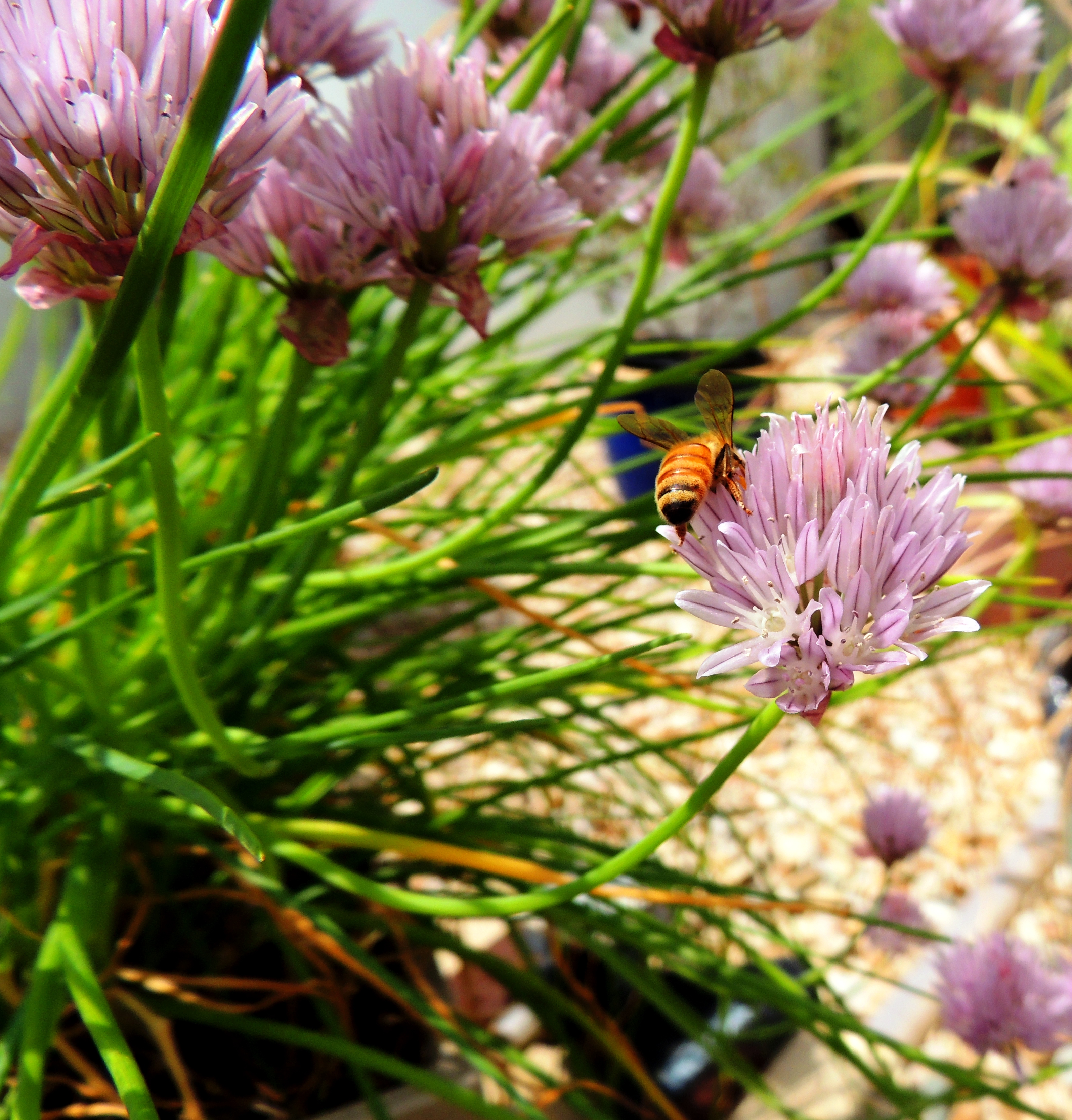
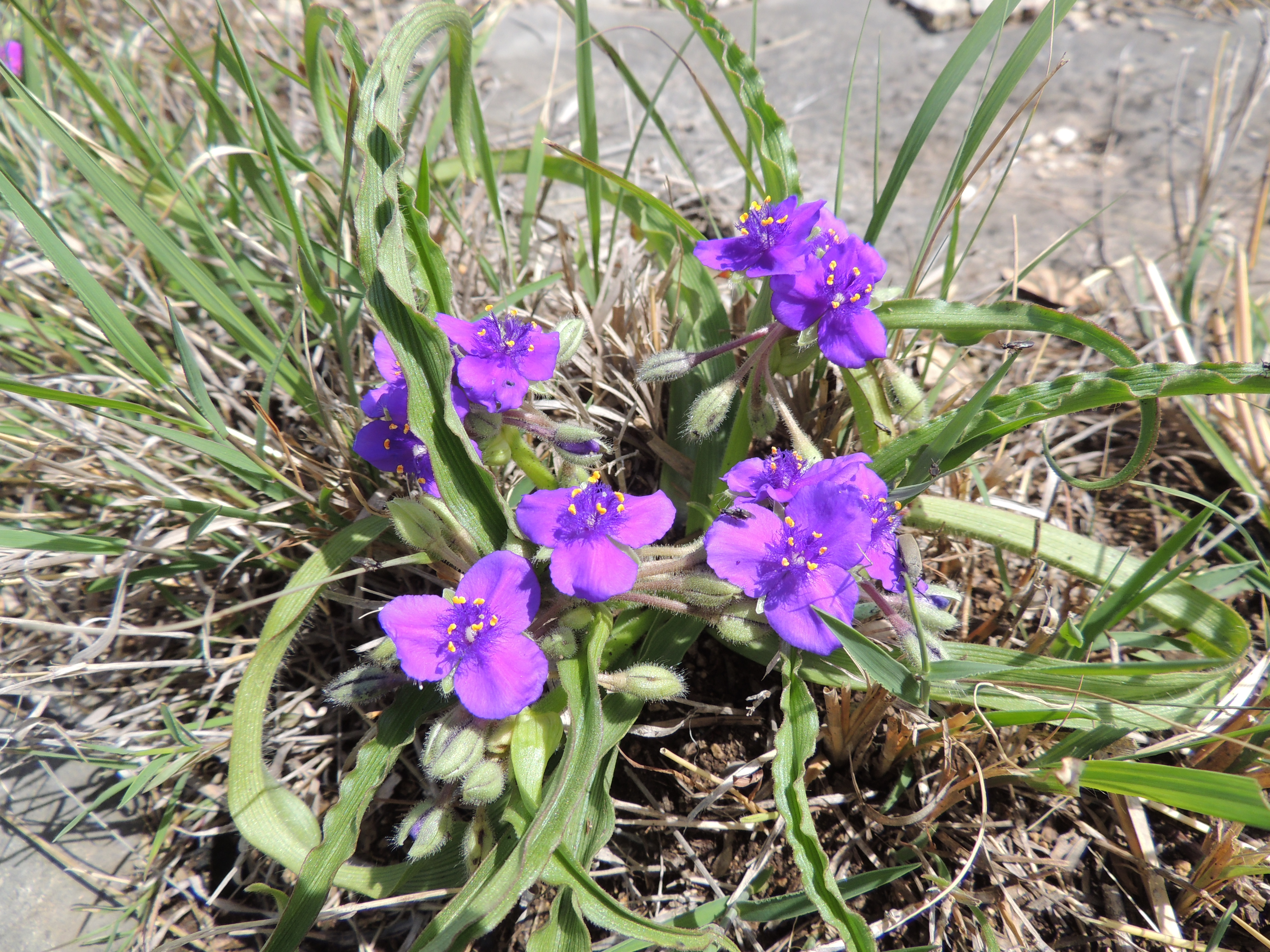
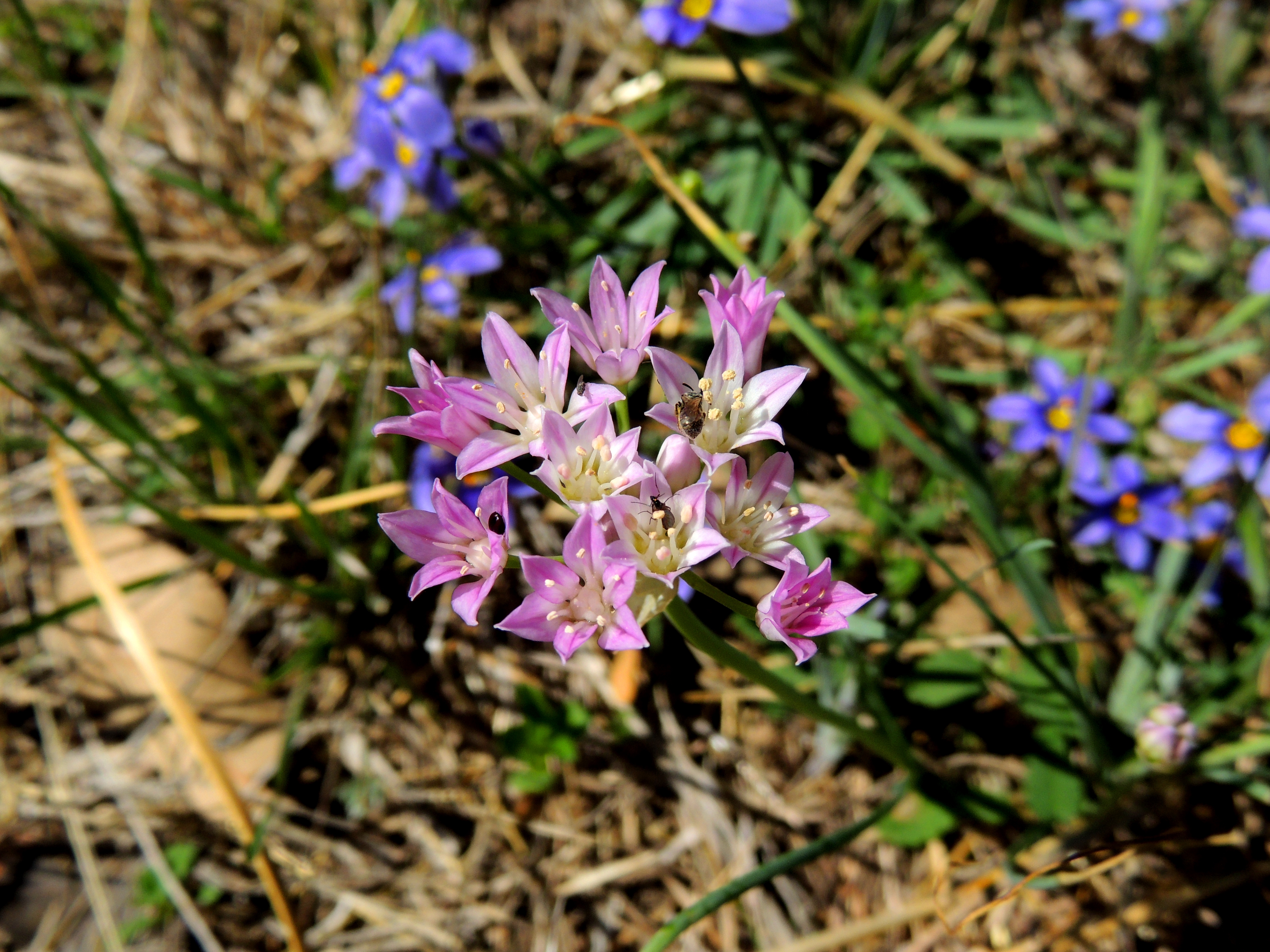
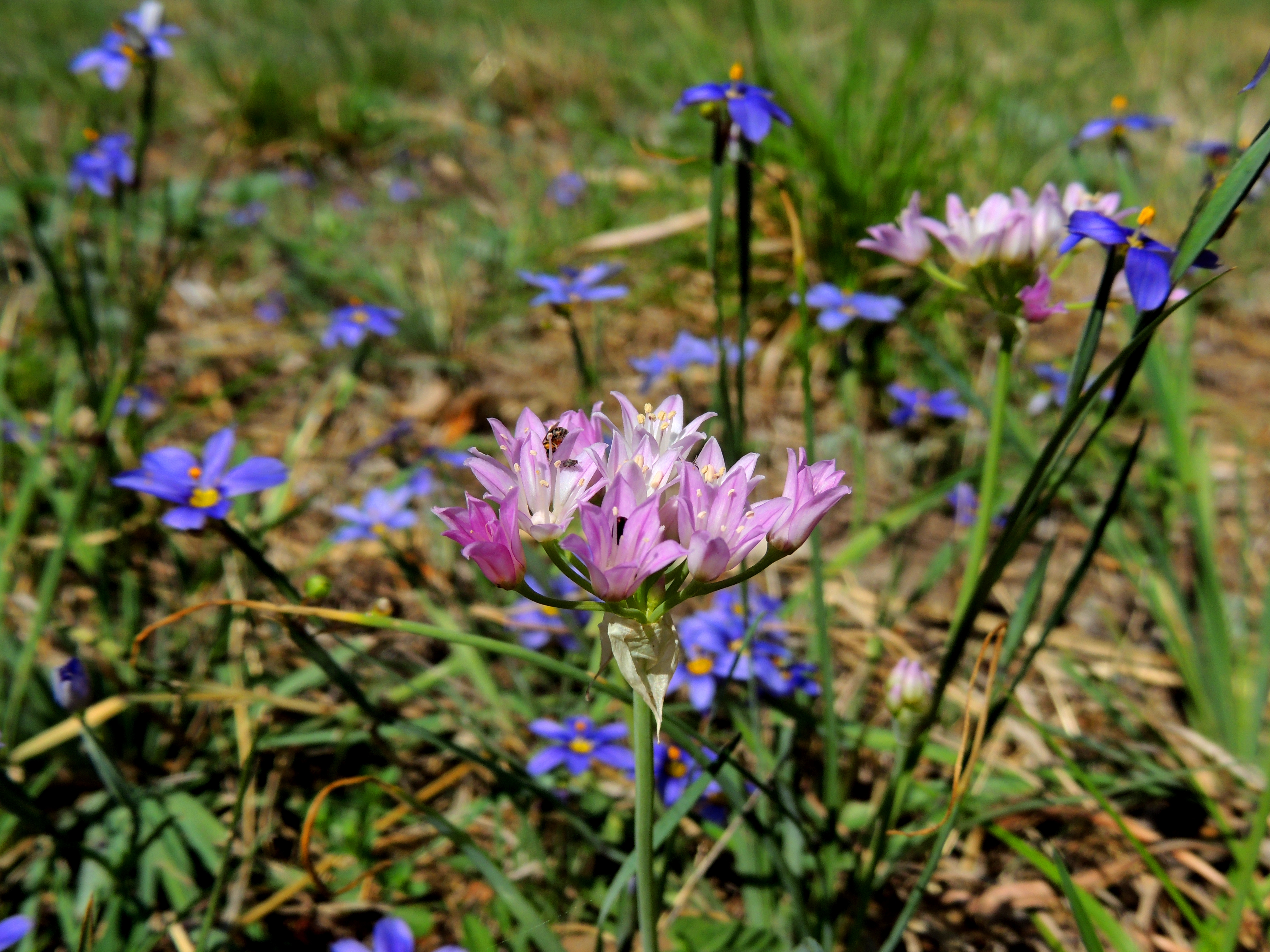
Some native Spiderwort (oh how I love this plant!) just showed up in a particularly unforgiving rocky dry area of the front field. I wouldn’t even have noticed it, had I not ventured out there to plant another Flame Leaf Sumac. I had to drop everything and run for my camera to get this shot.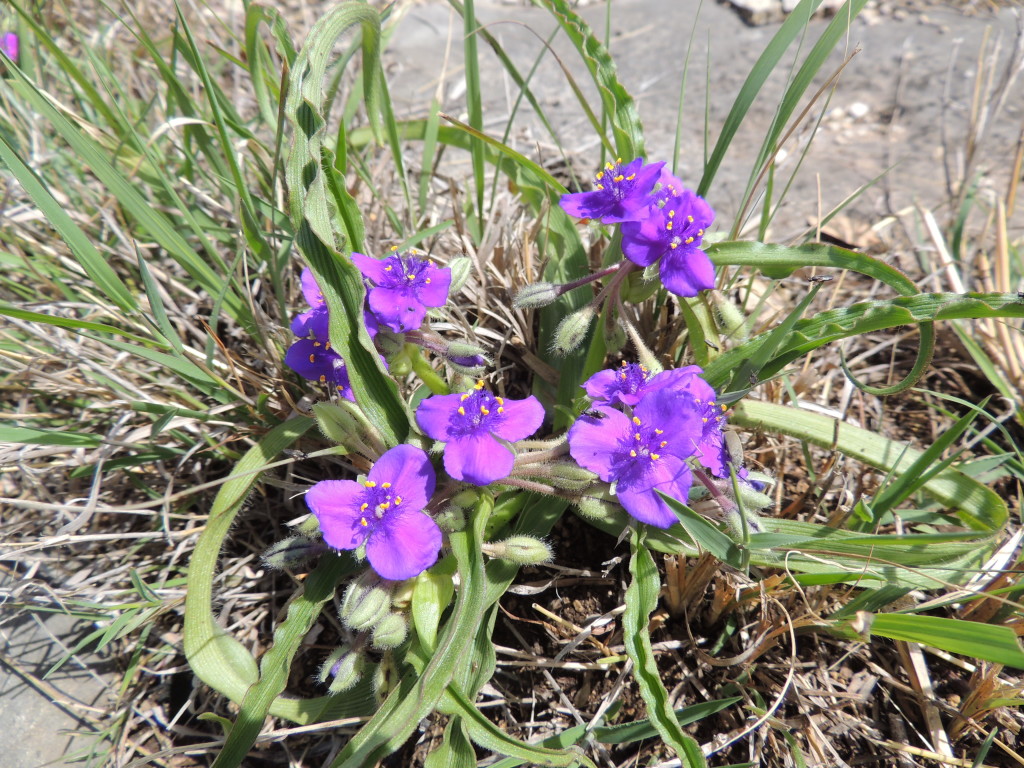 This little native Wild Onion was hanging out with some pretty Blue-Eyed grass. Wild Onion is a wonderful little native and has been used for many centuries by native people as a food staple. (Note: only eat if it smells like onion when crushed.)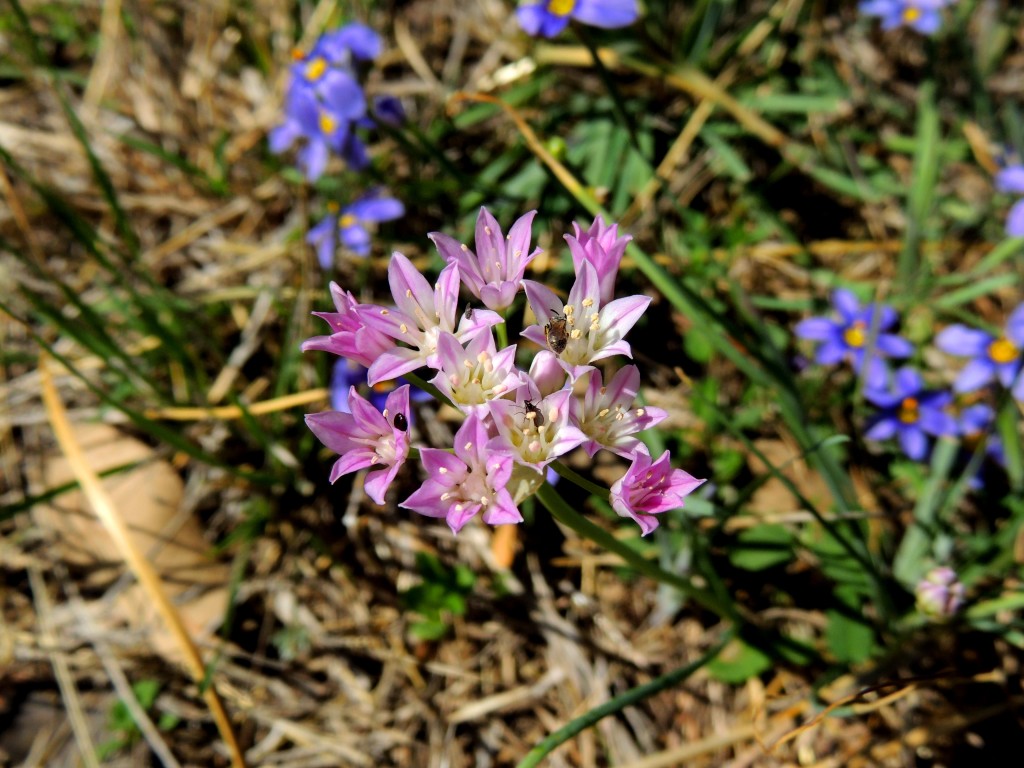
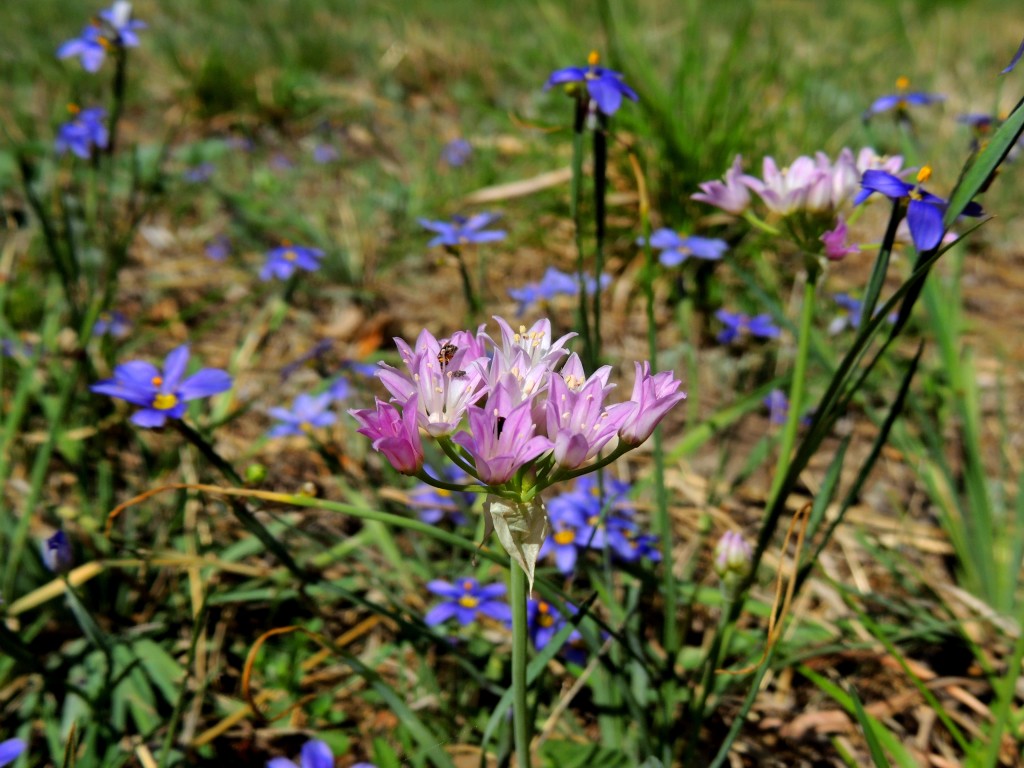
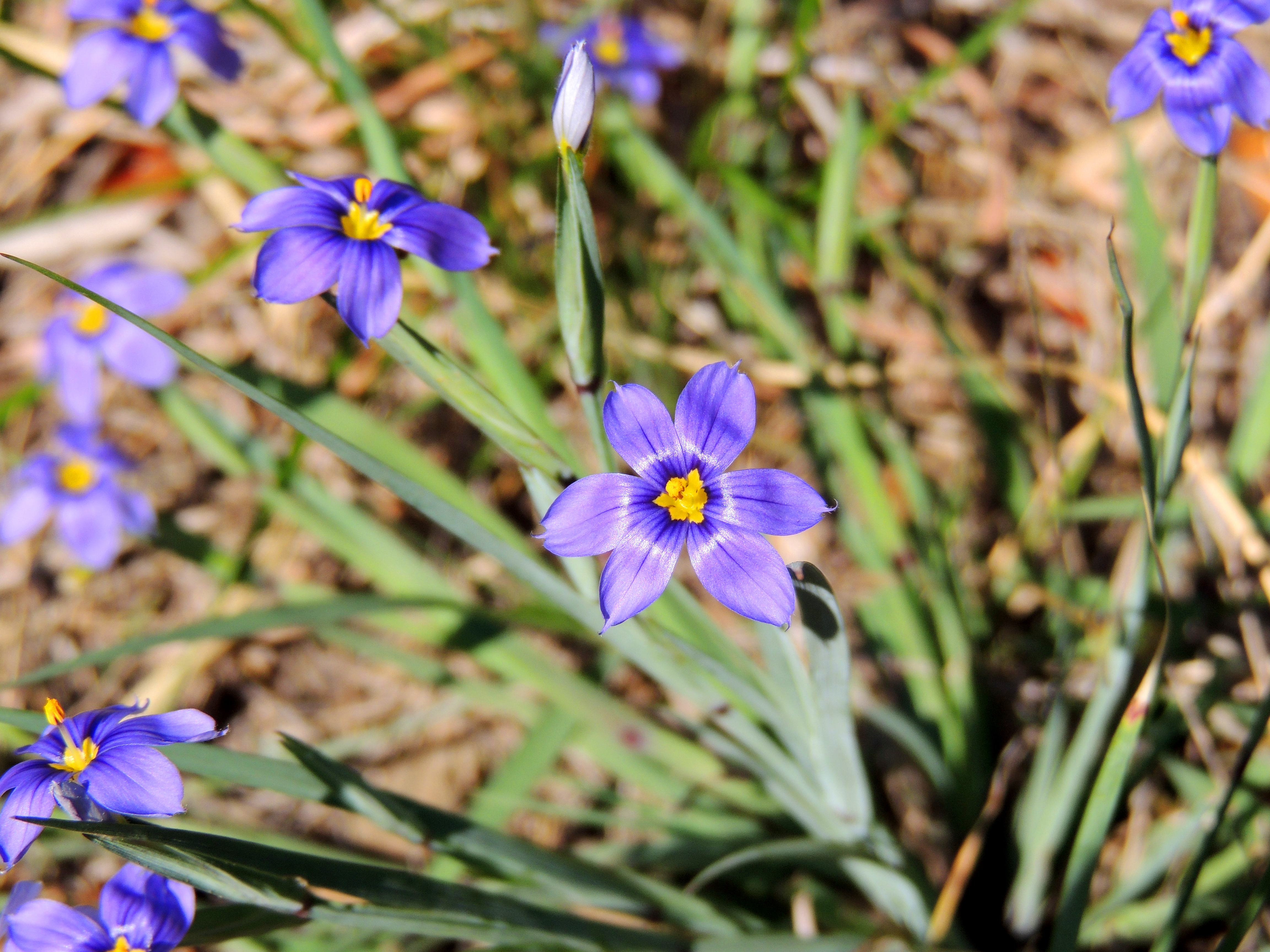
Speaking of Blue eyed grass – what a color!….
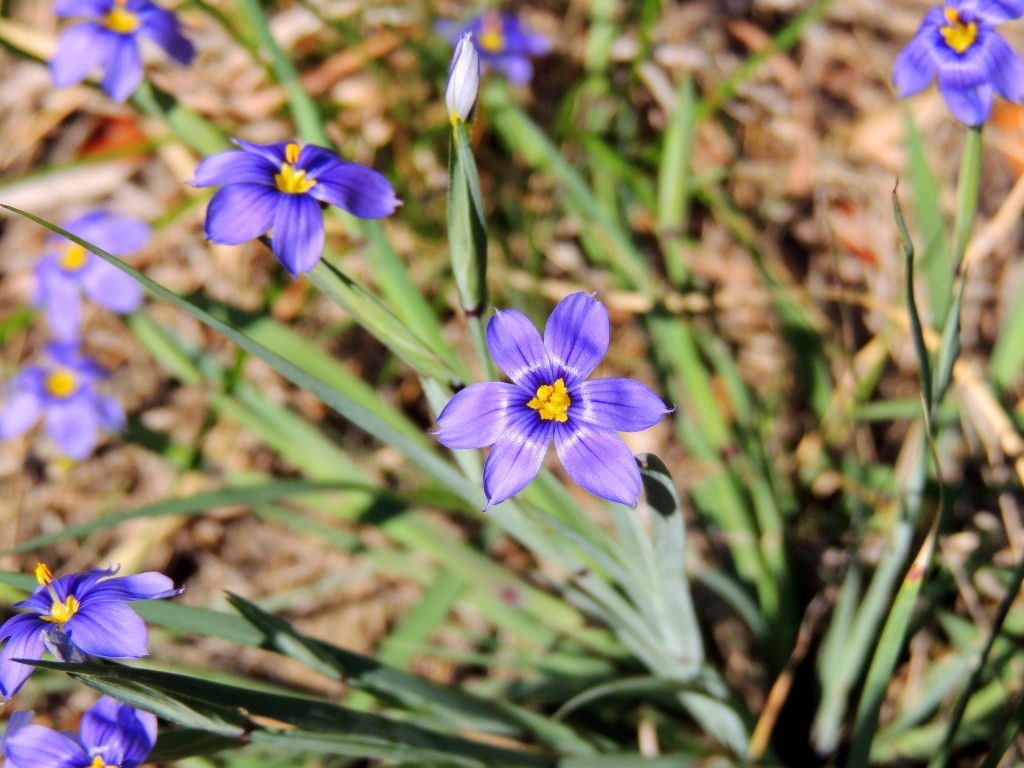
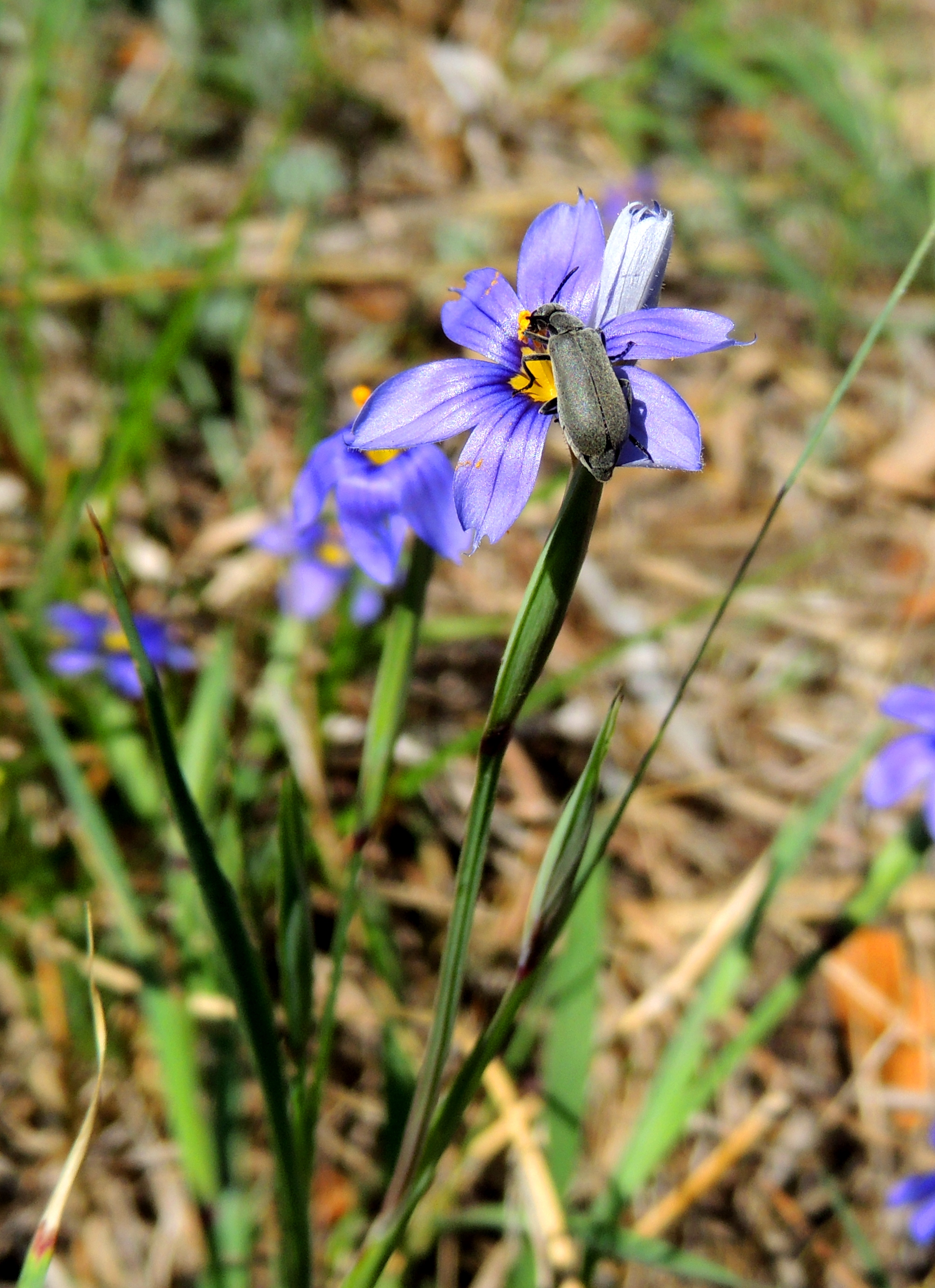
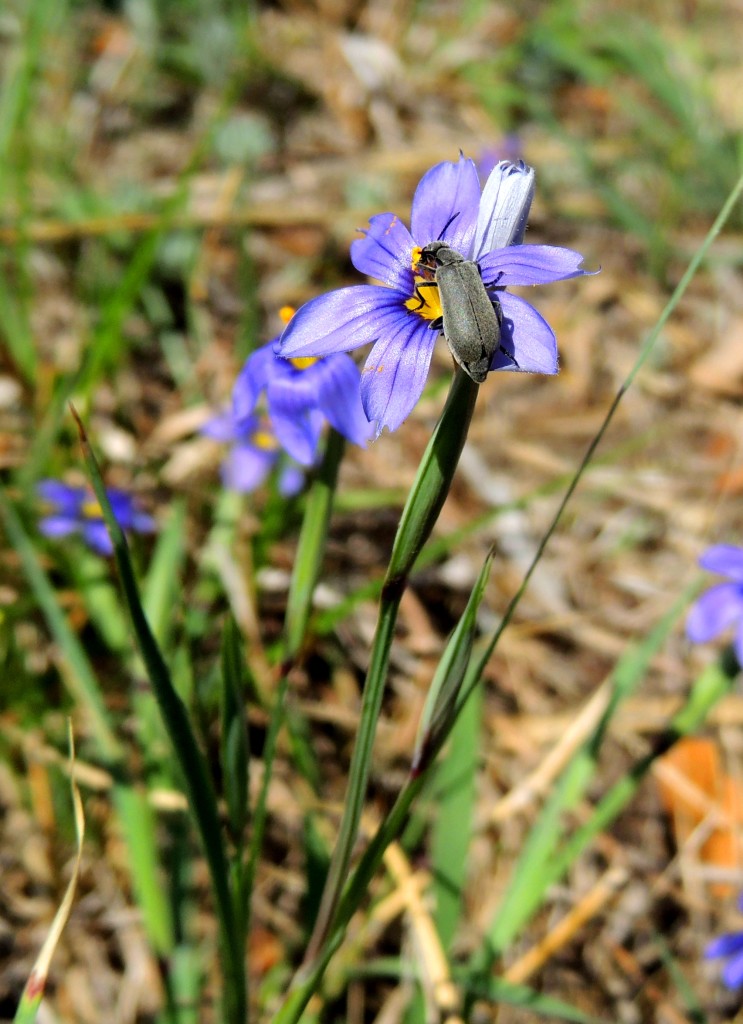
One of my favorites – even the bugs love it:
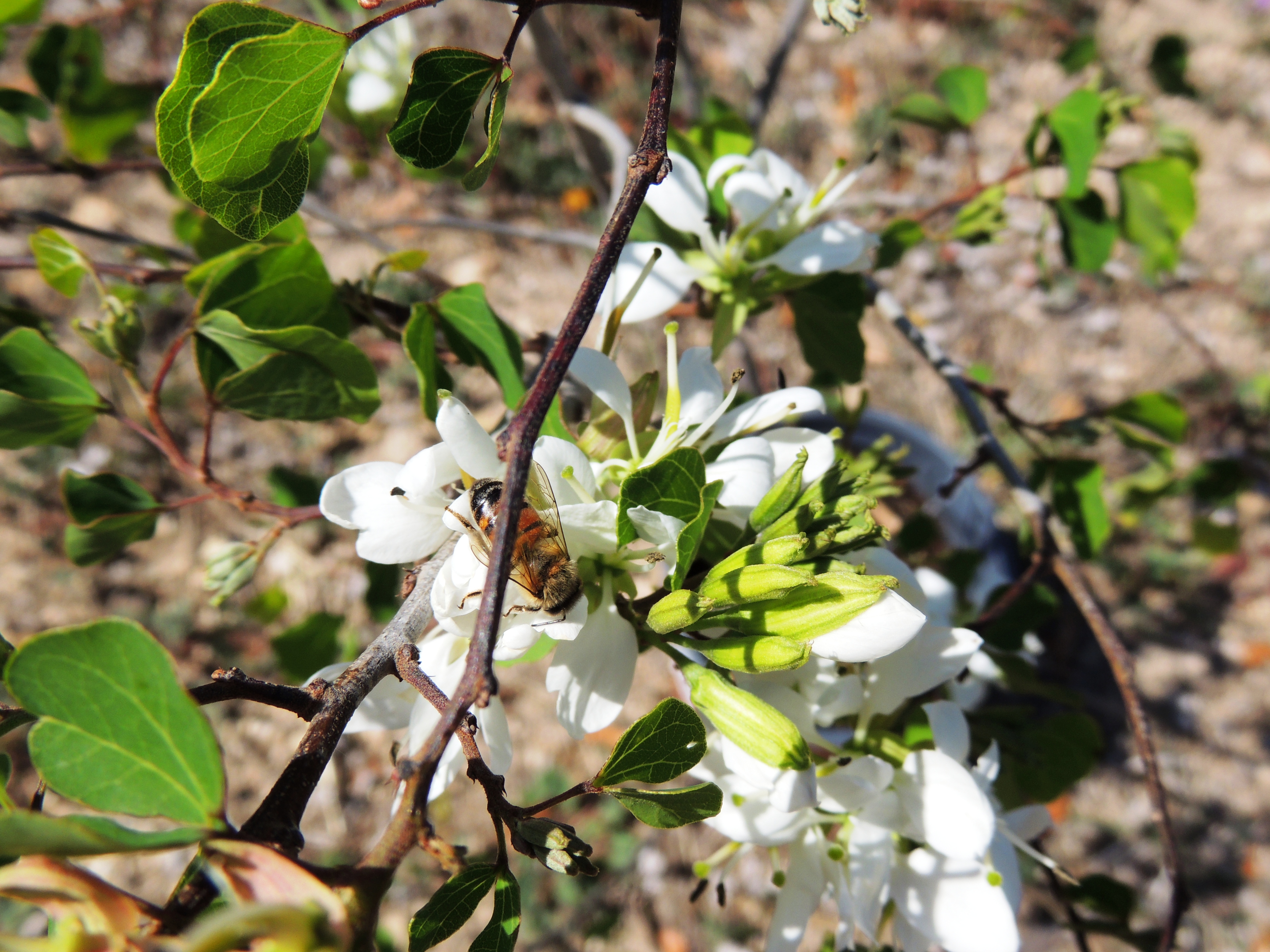
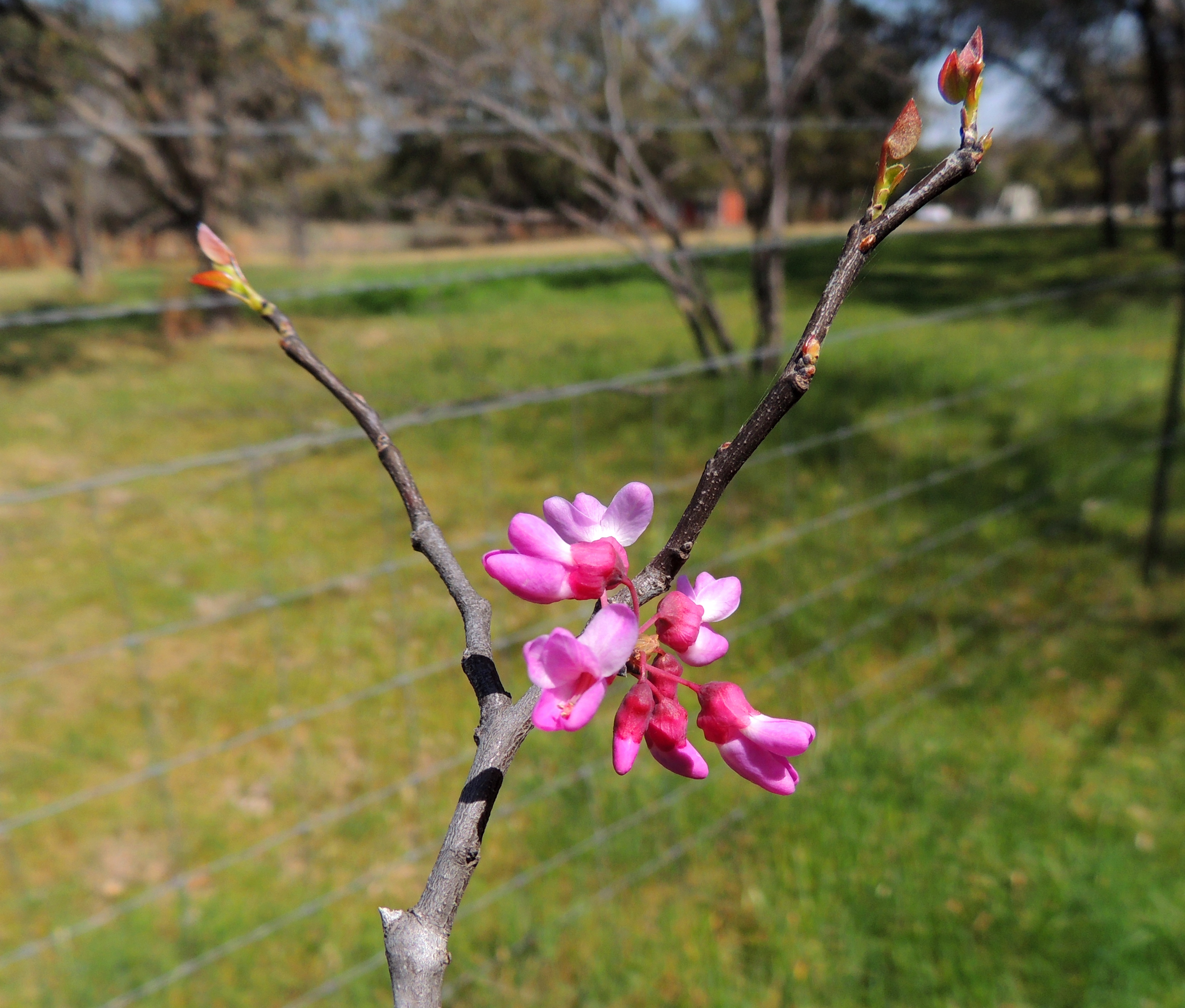
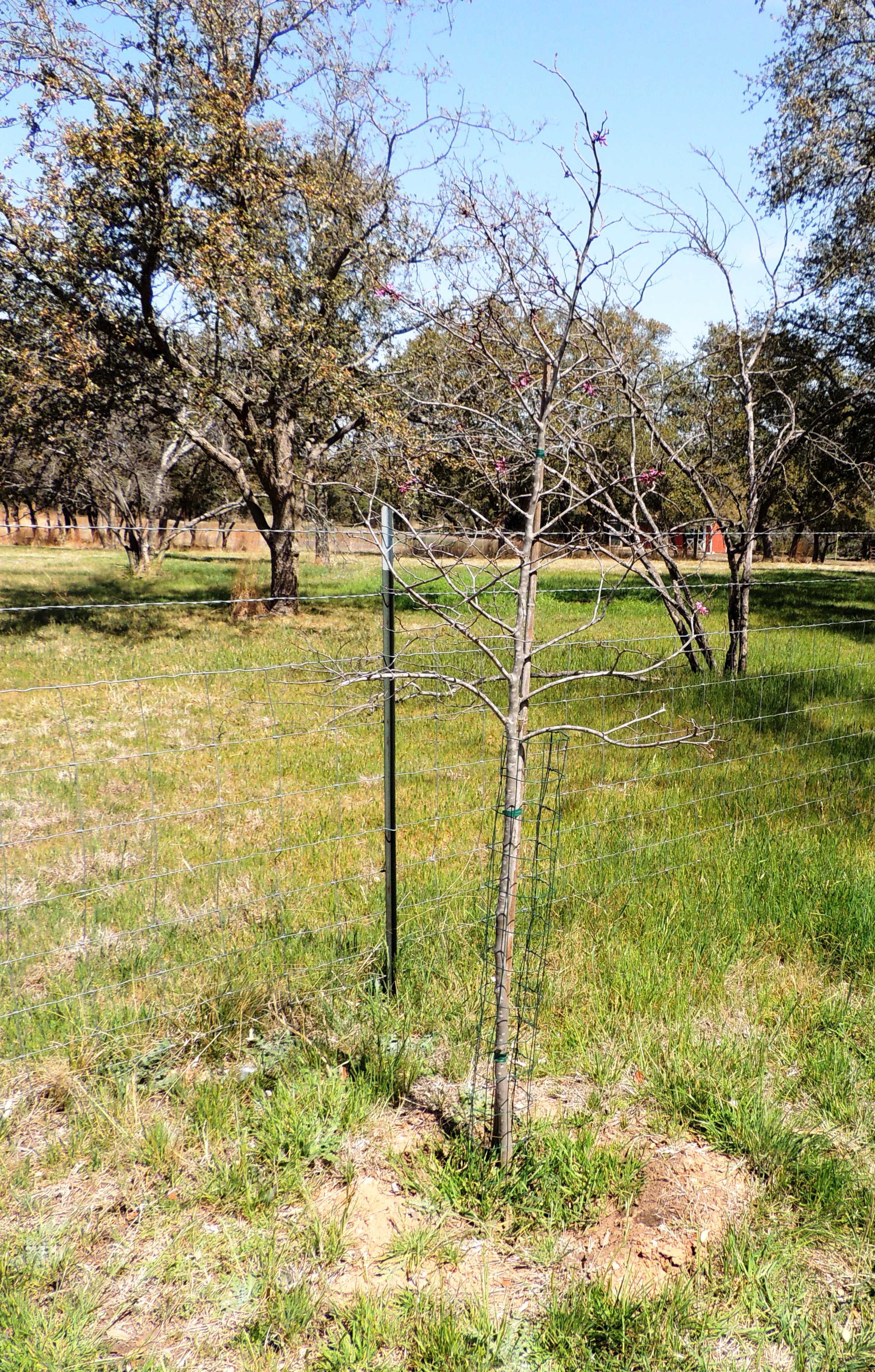
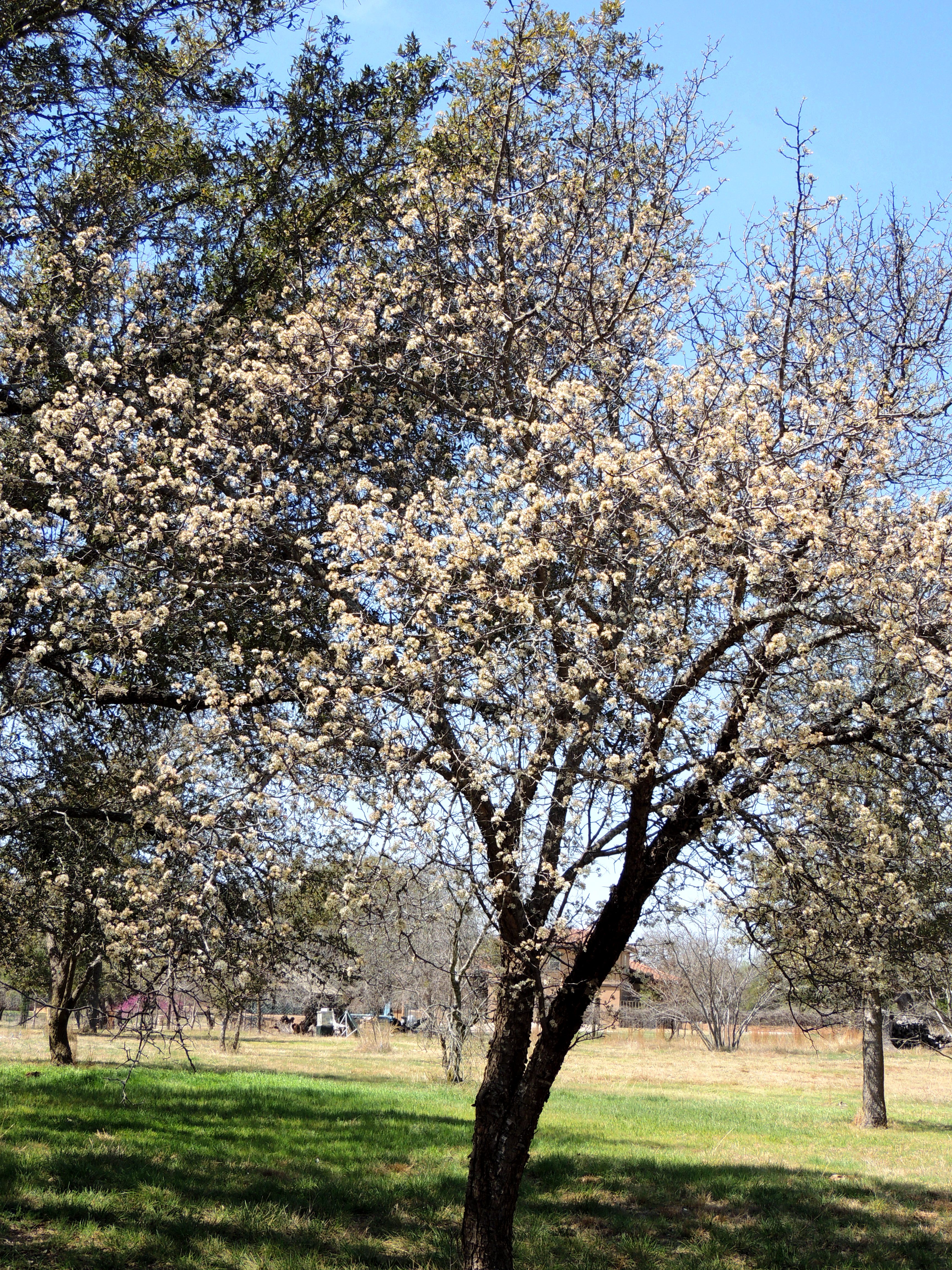
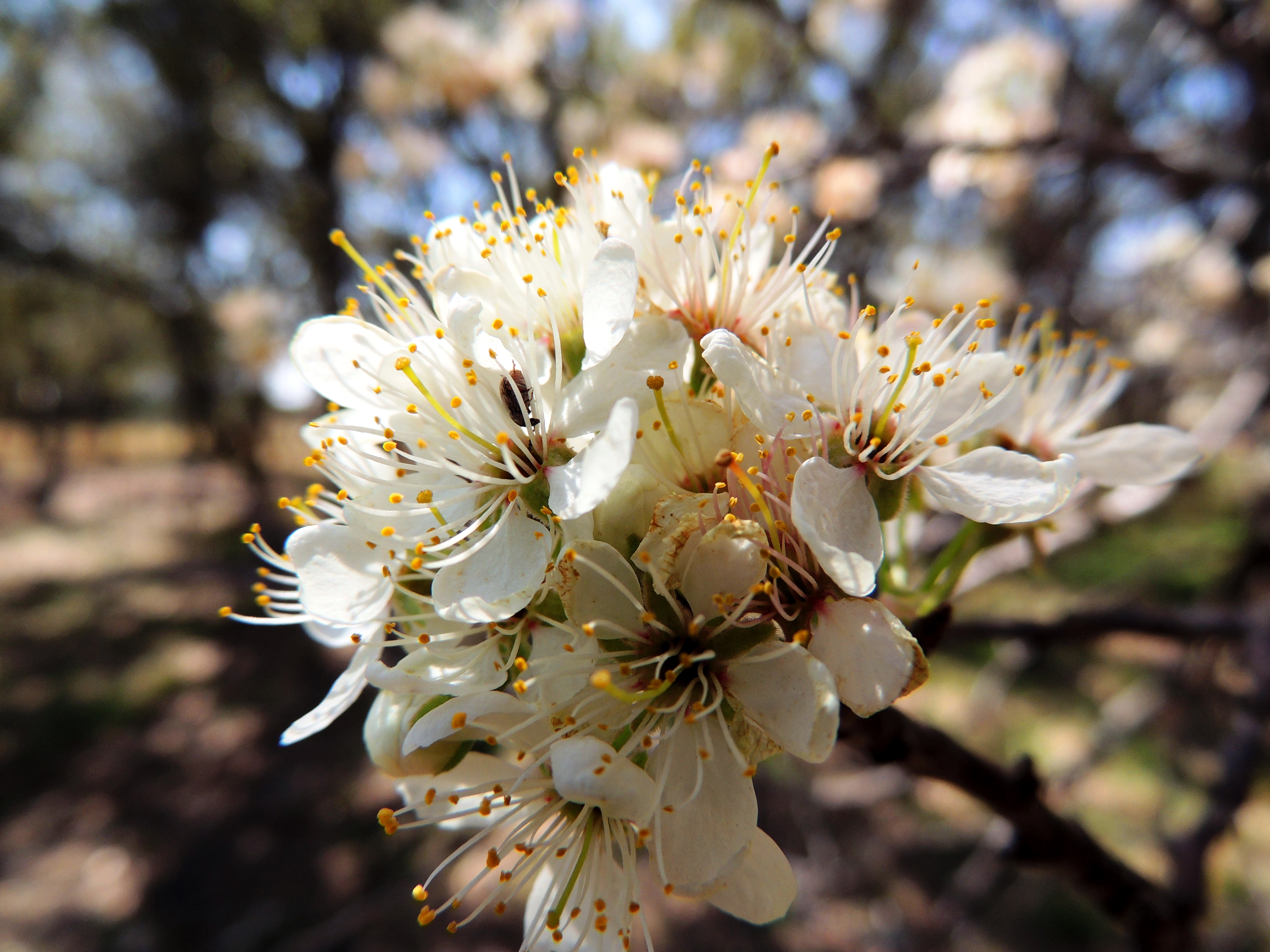
 I recently also planted an Anacacho Orchid treelet. It is small but already putting on a pretty show for spring. It’s a native to the Hill Country and even the bees are showing their approval. The scent is lovely – an added bonus. I just hope that it will be cold hardy enough for my area.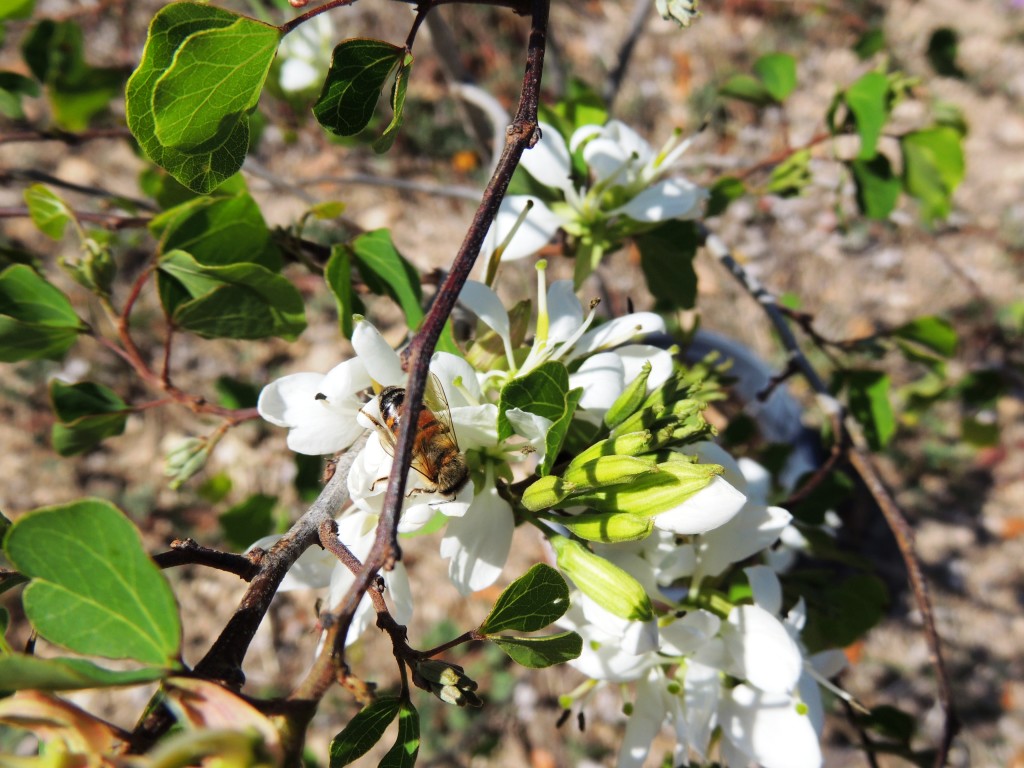
Spring! When the grass finally greens up a little, and the wildflowers show off their pretty colors. The birds sing loudly and every bug known to man it seems, comes to life to root around the garden and even venture into the house.
I am forging on ahead with more planting and tidying as the days warm up. I just hope no last minute frost comes along to dampen this pretty color display.
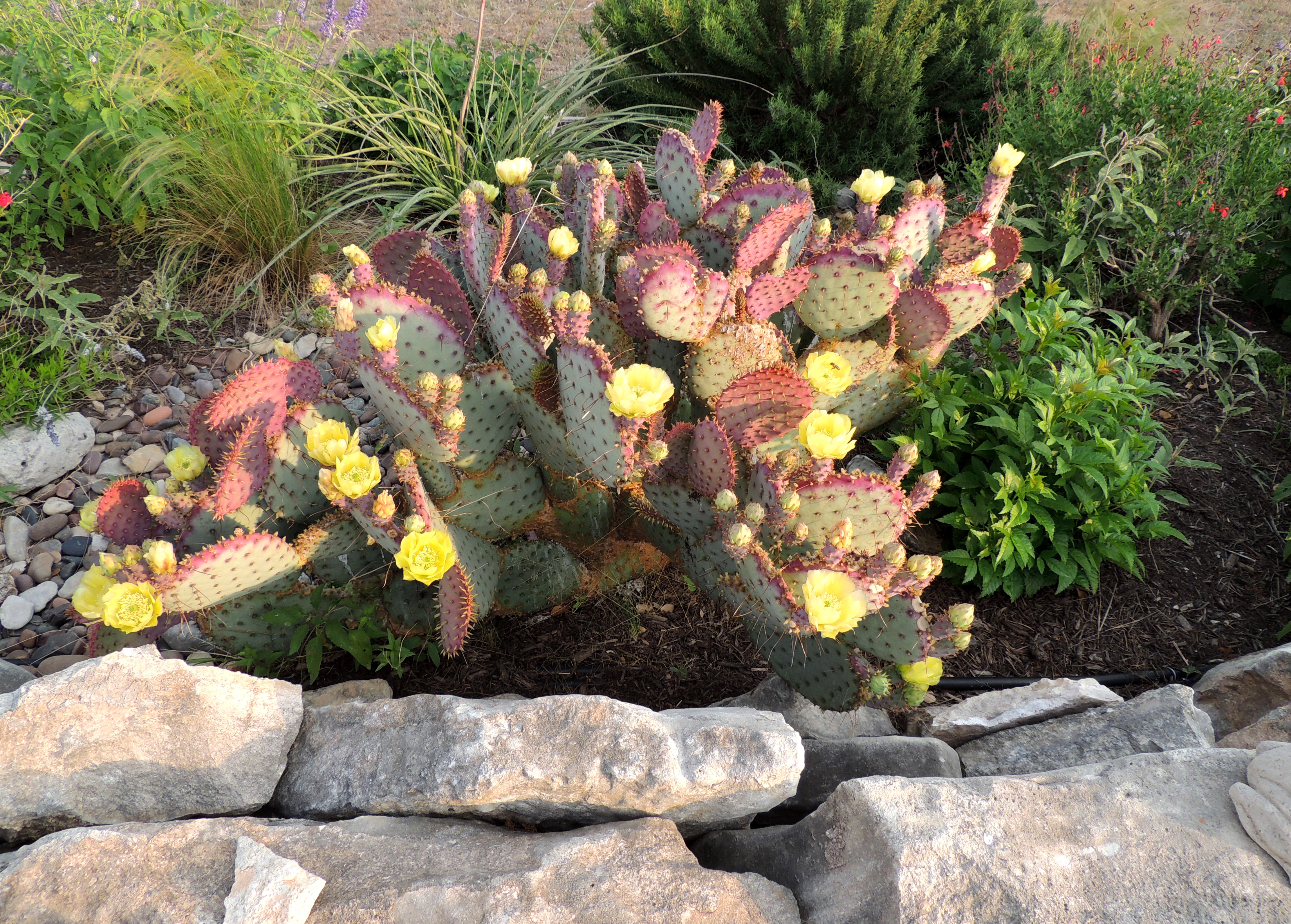
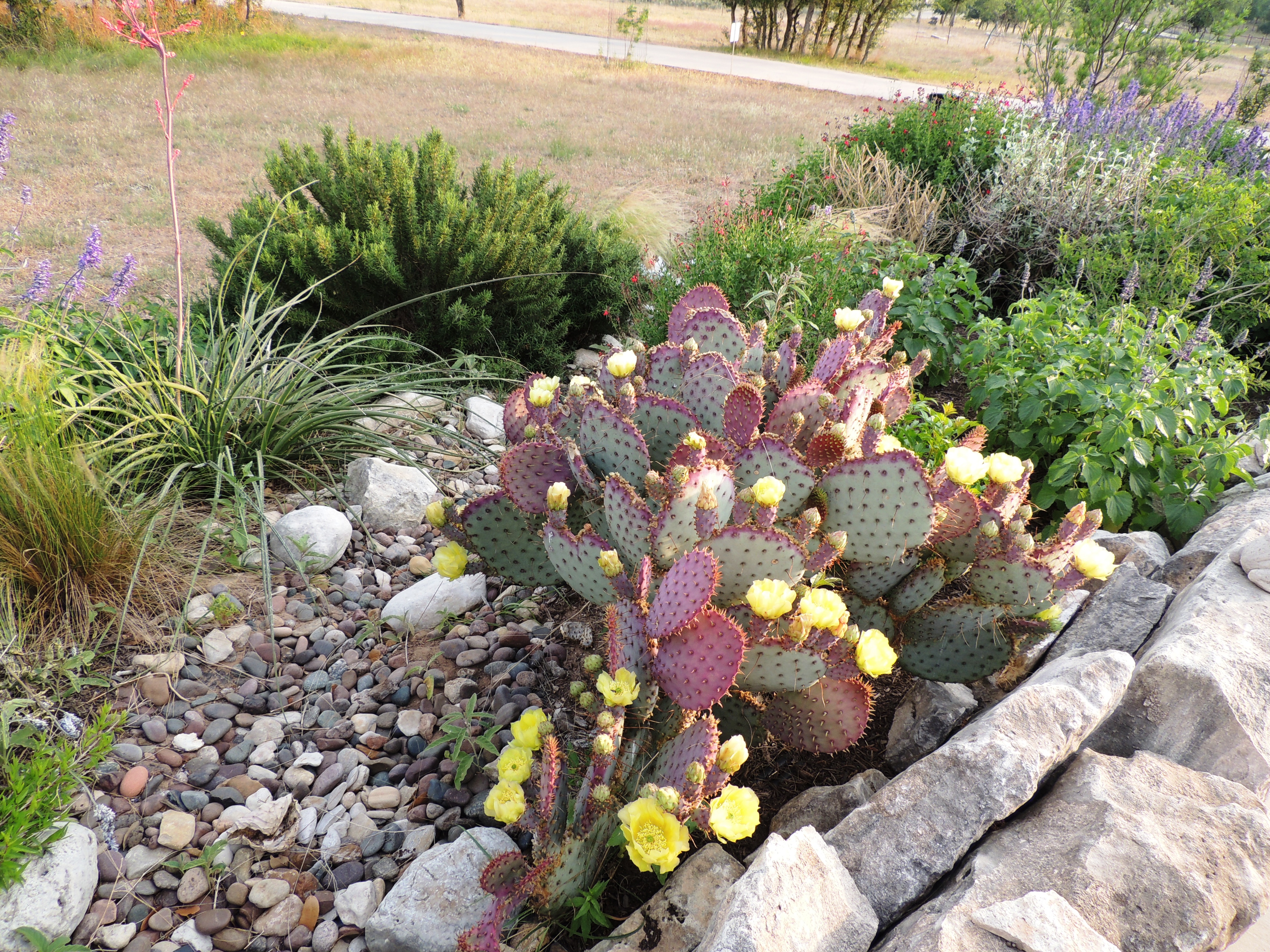 It’s also a good pollinator plant.
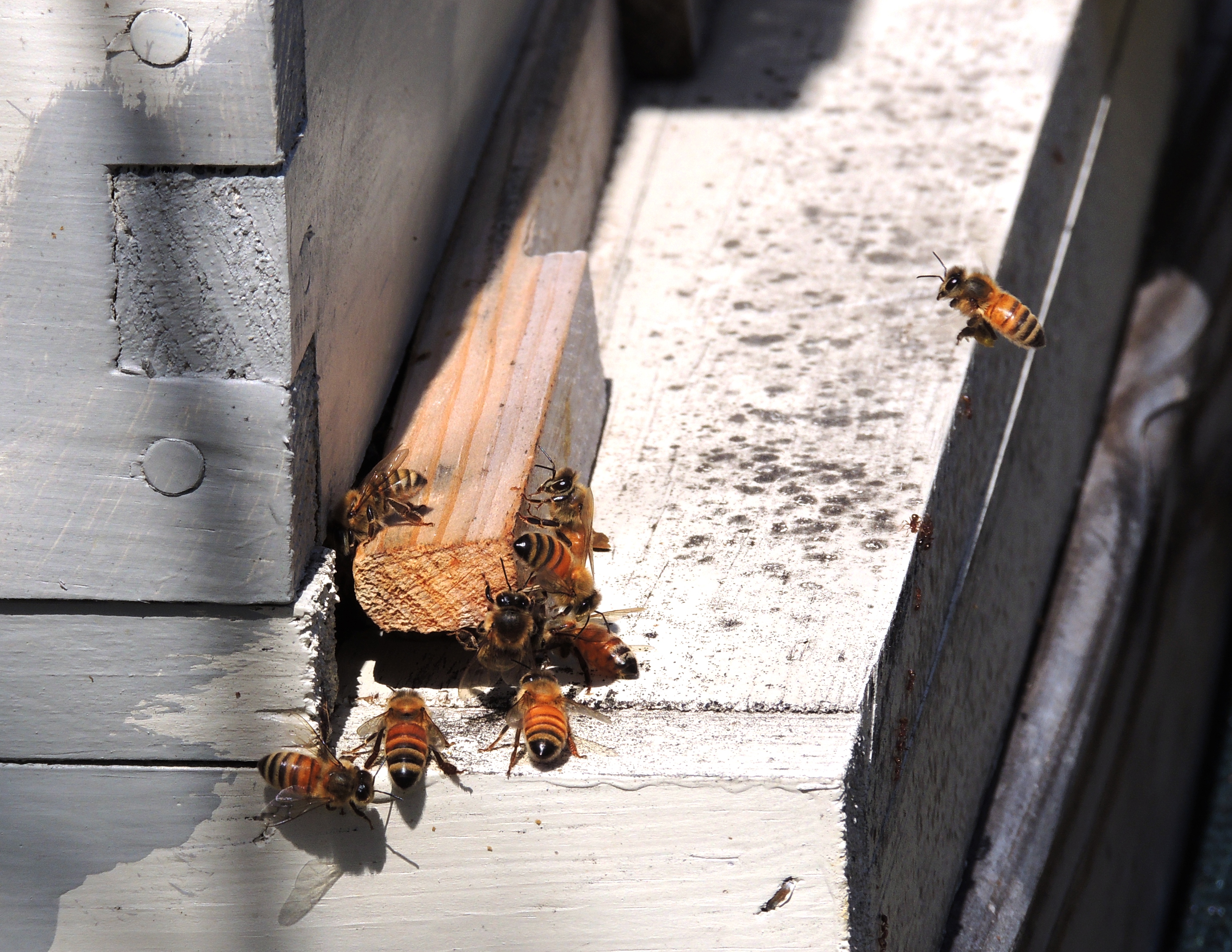
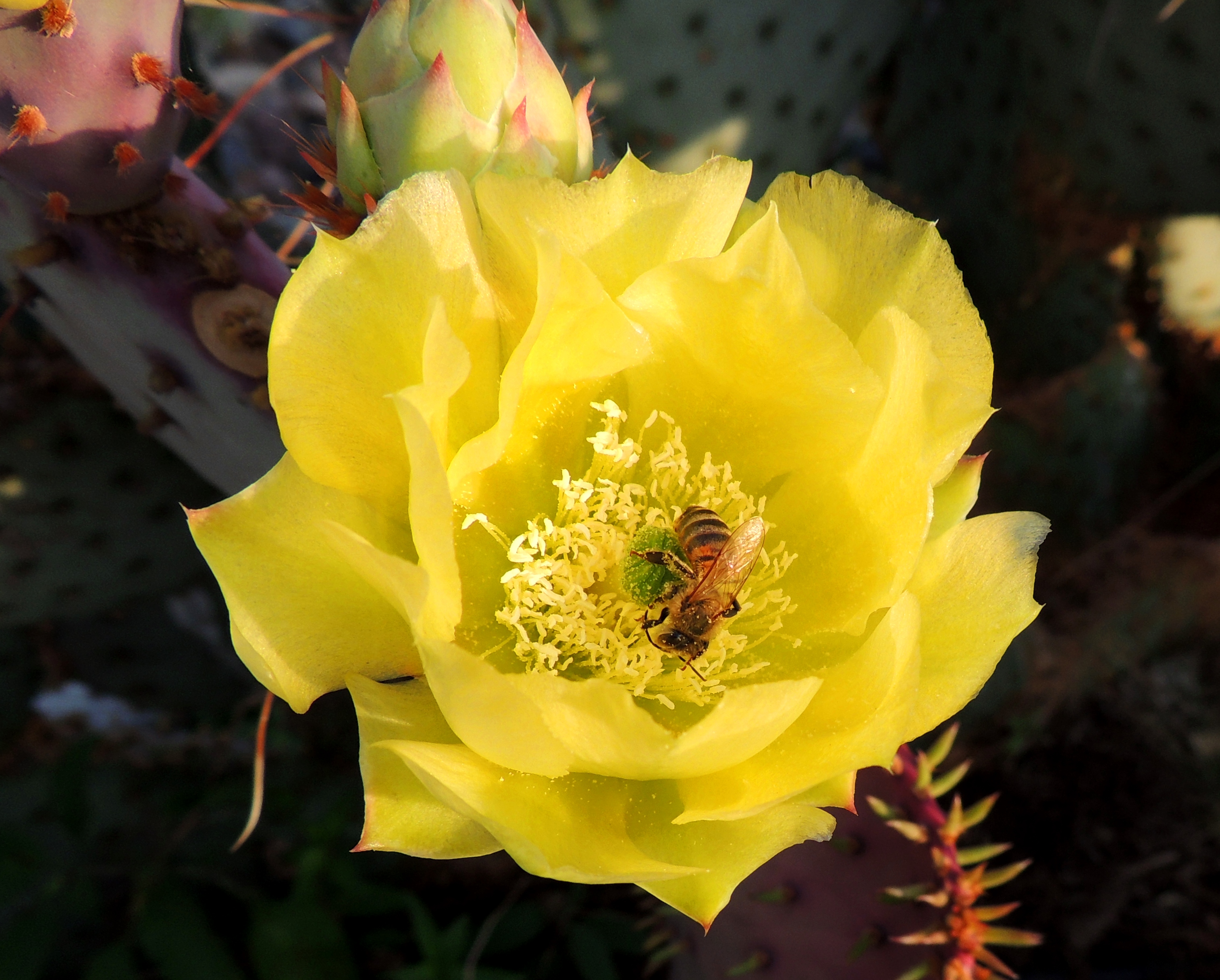 The bees are really able to get down there into those buttery blooms!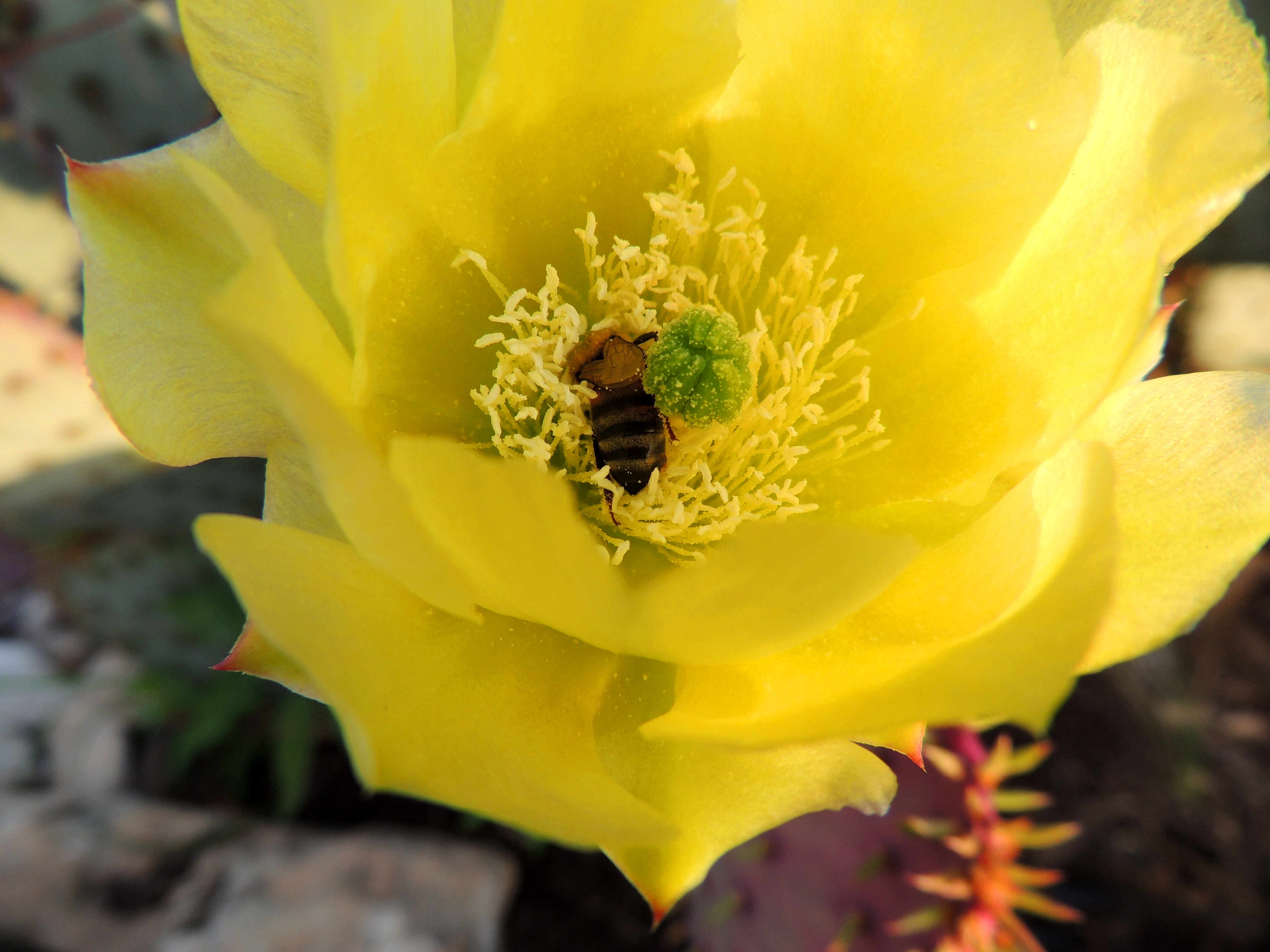
 And the hummingbirds absolutely love it’s blooms.
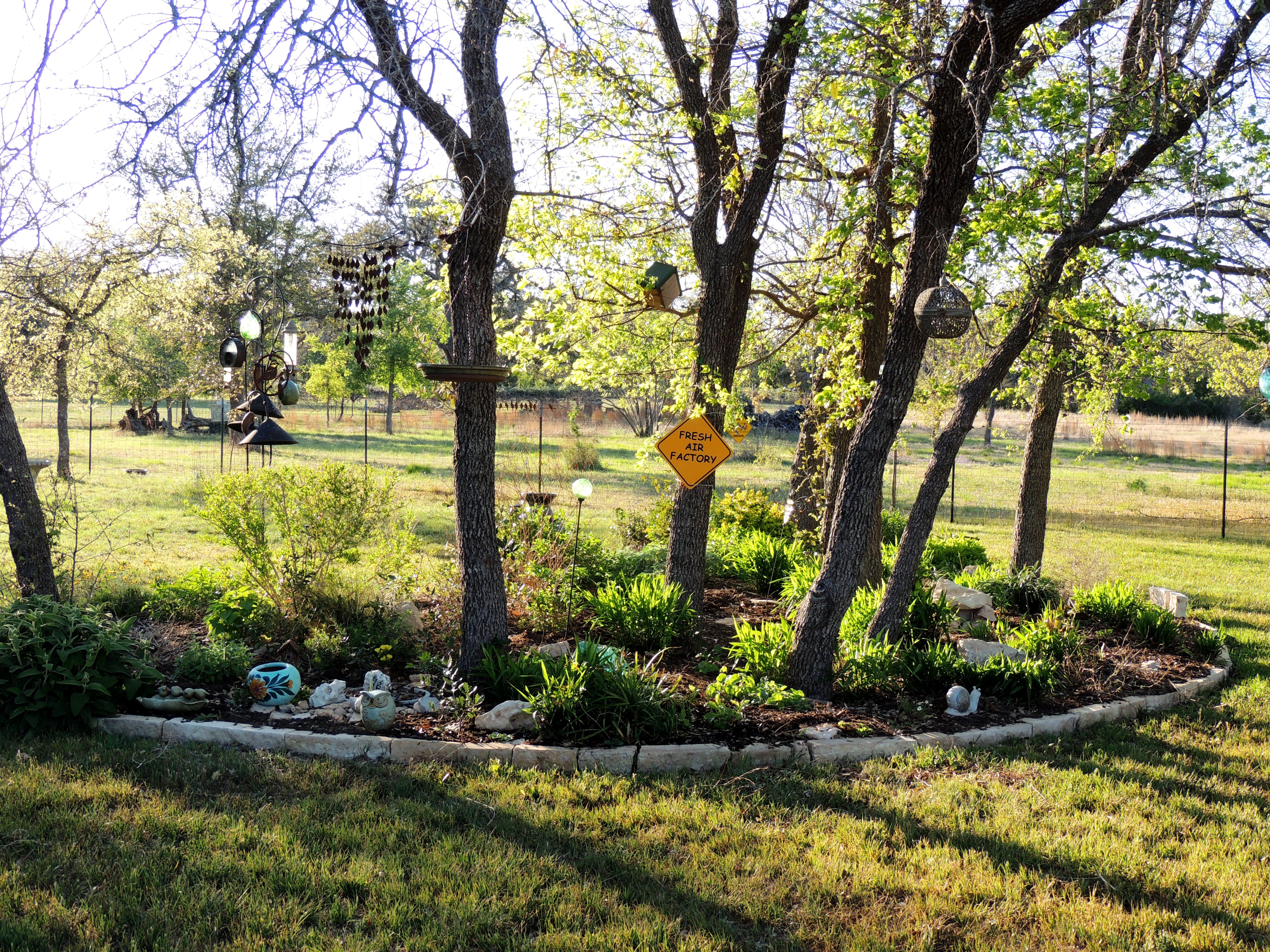
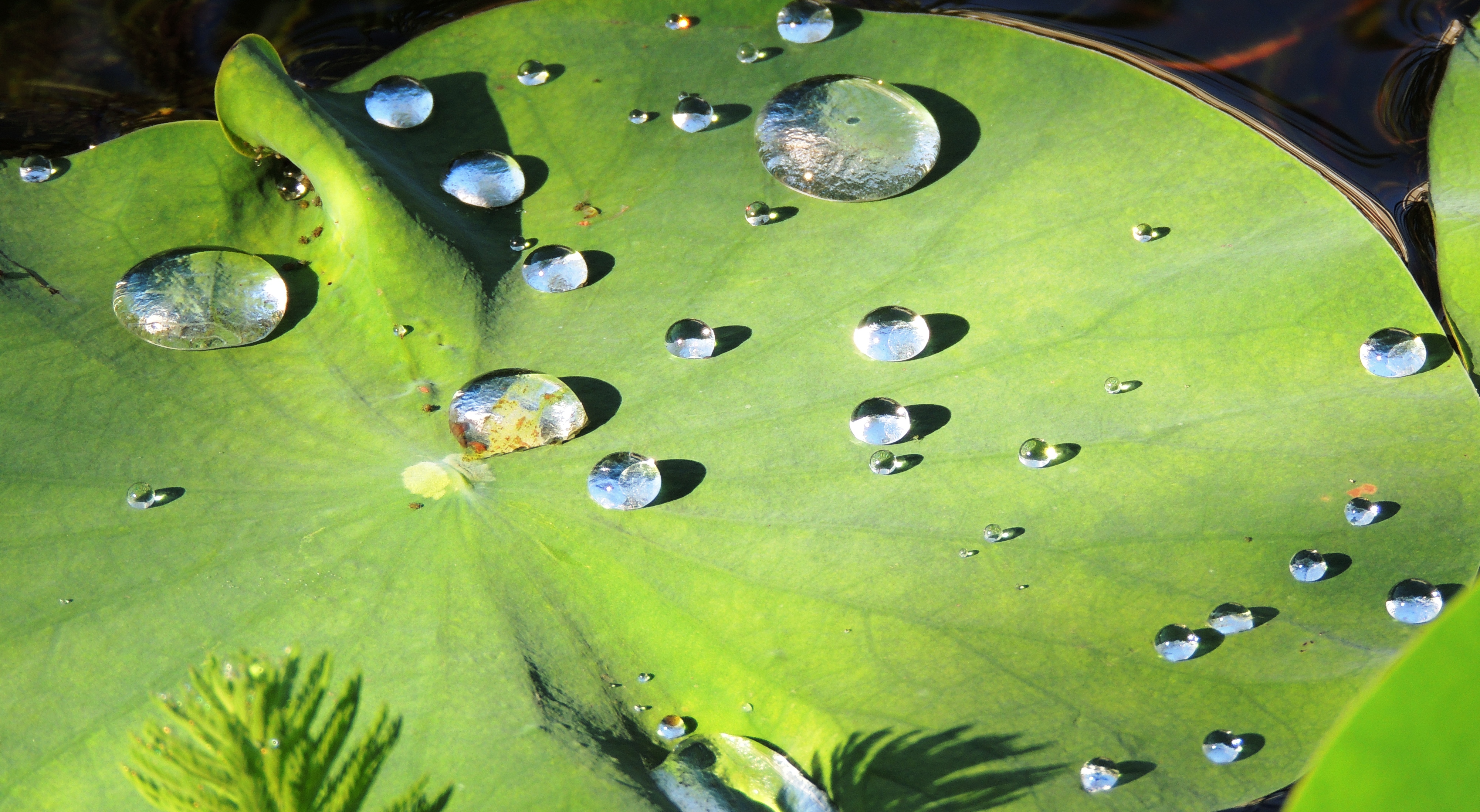
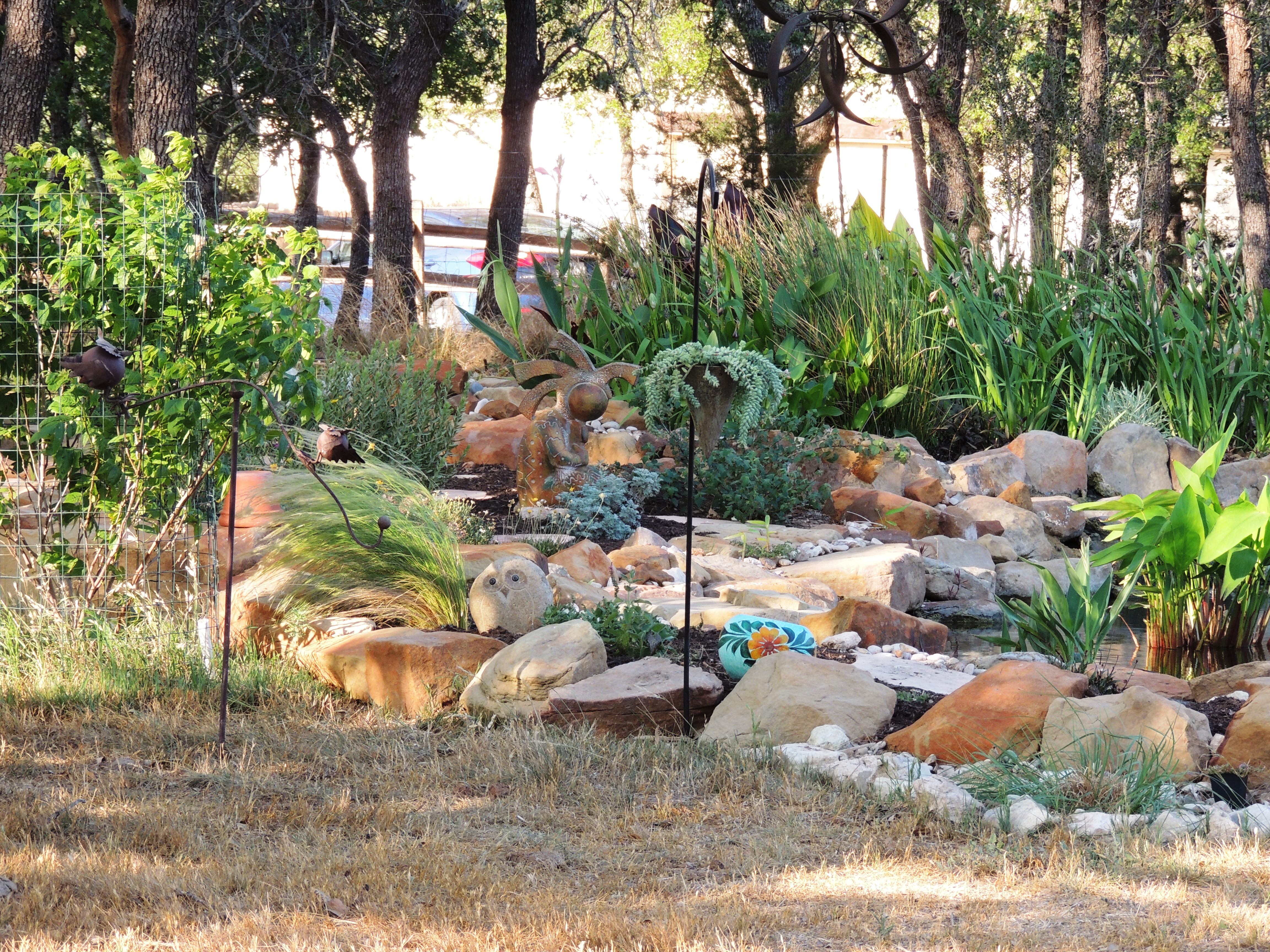 I was begining to fear that we had another 2011 drought event on our hands. That year it did not rain until October. But thankfully the rains started falling in May and after several welcome showers, things slowly started perking up around here. These photos were taken the morning after a lovely sprinkle. I just love the morning light here in my back yard.
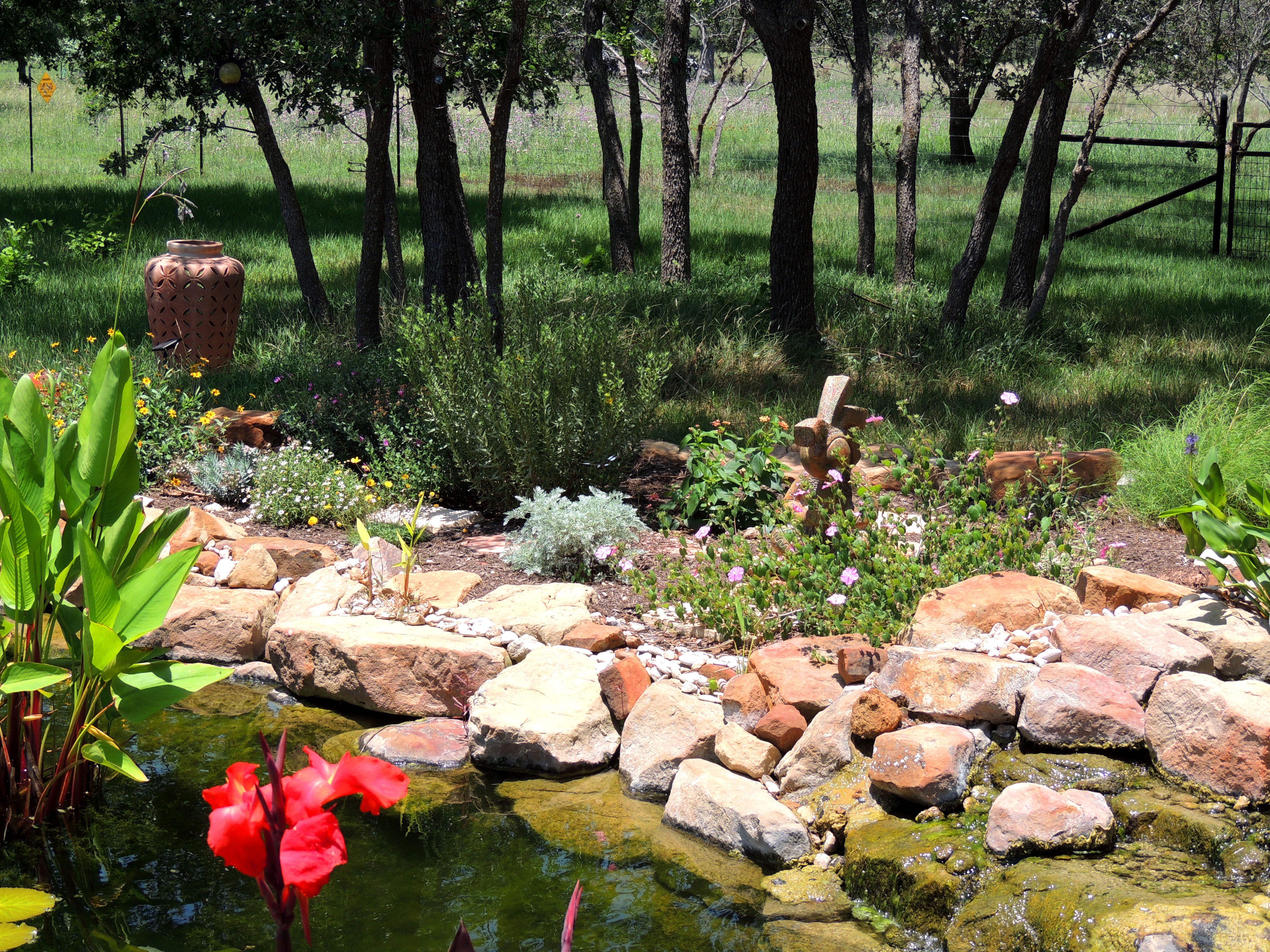
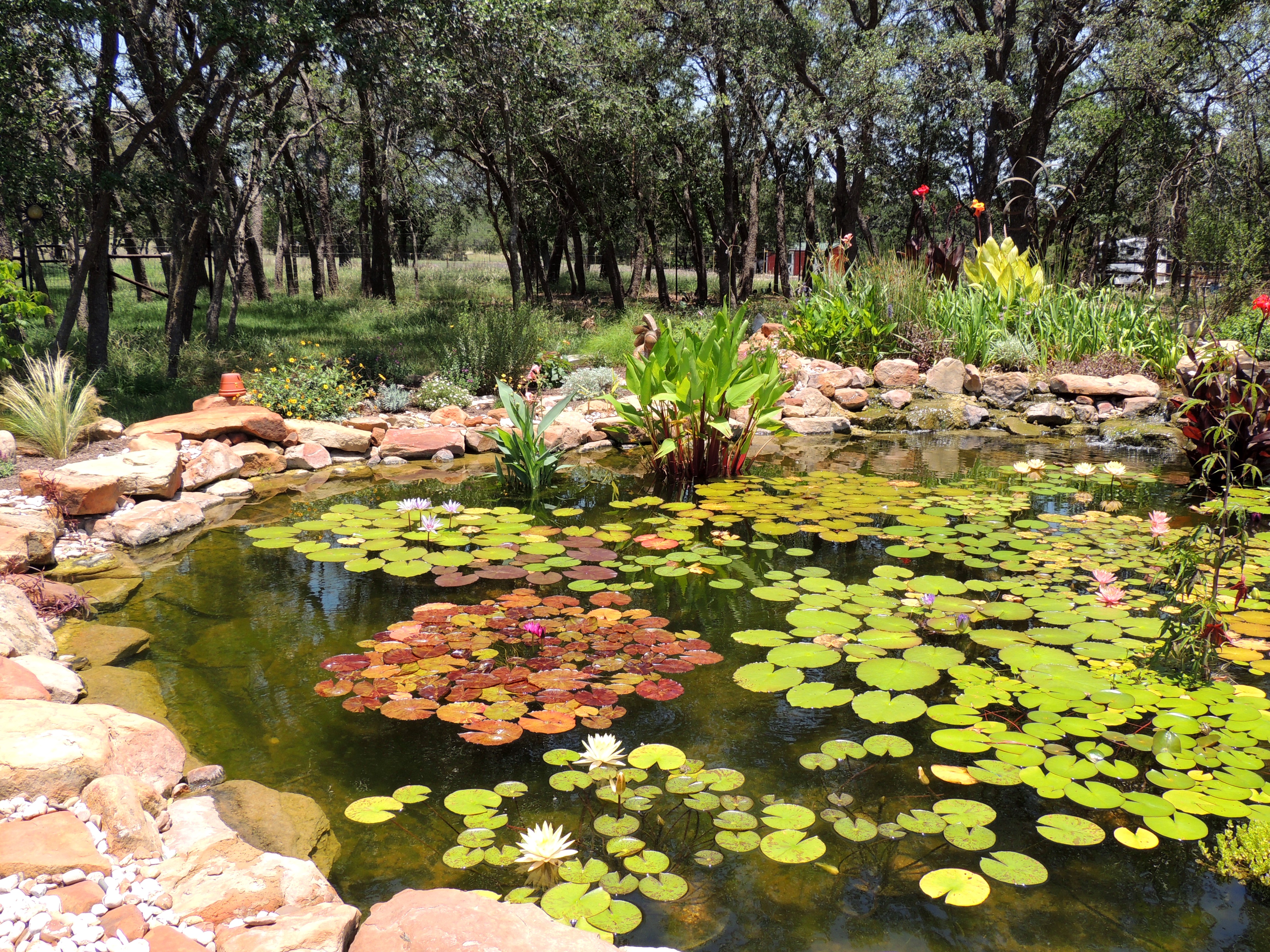
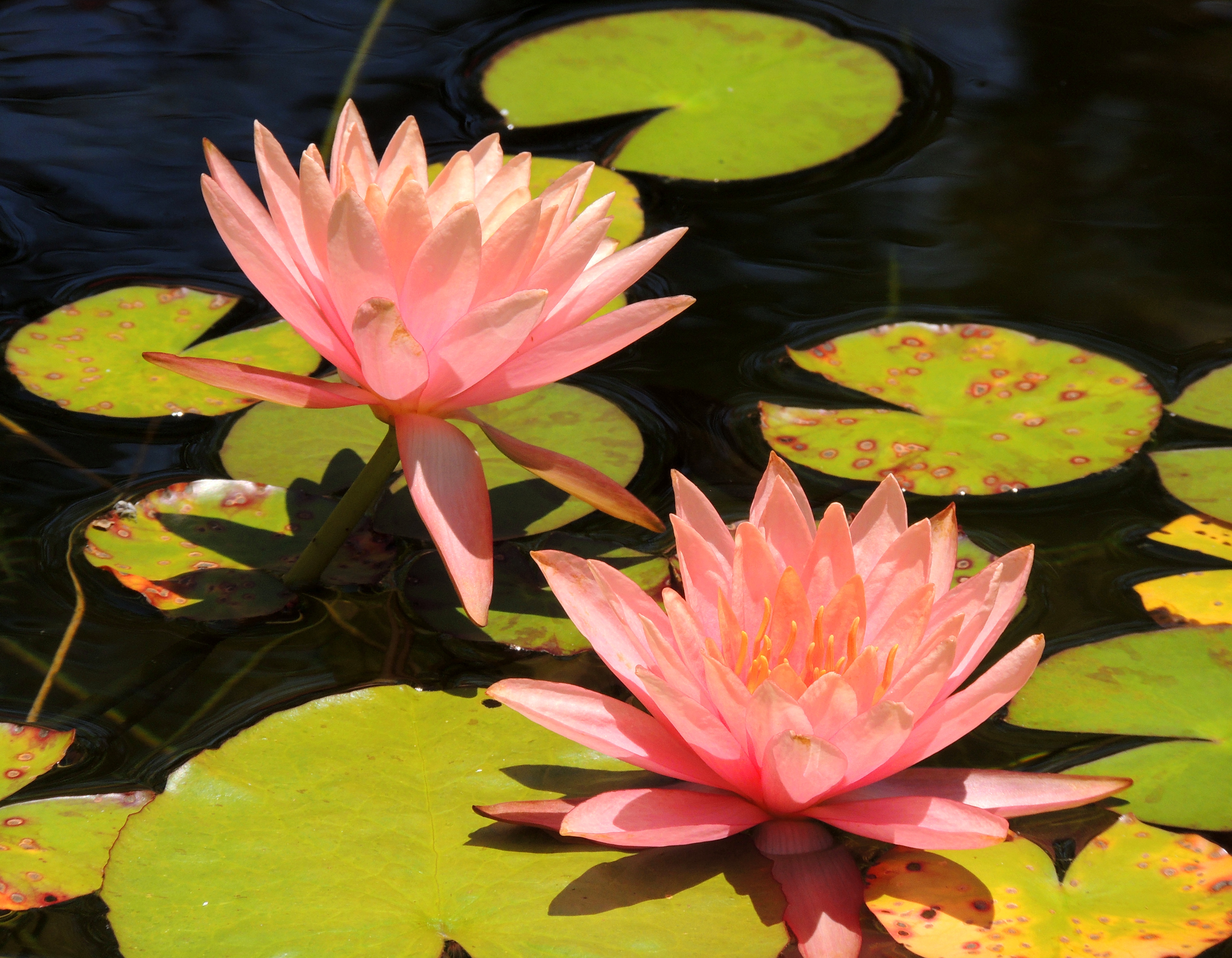
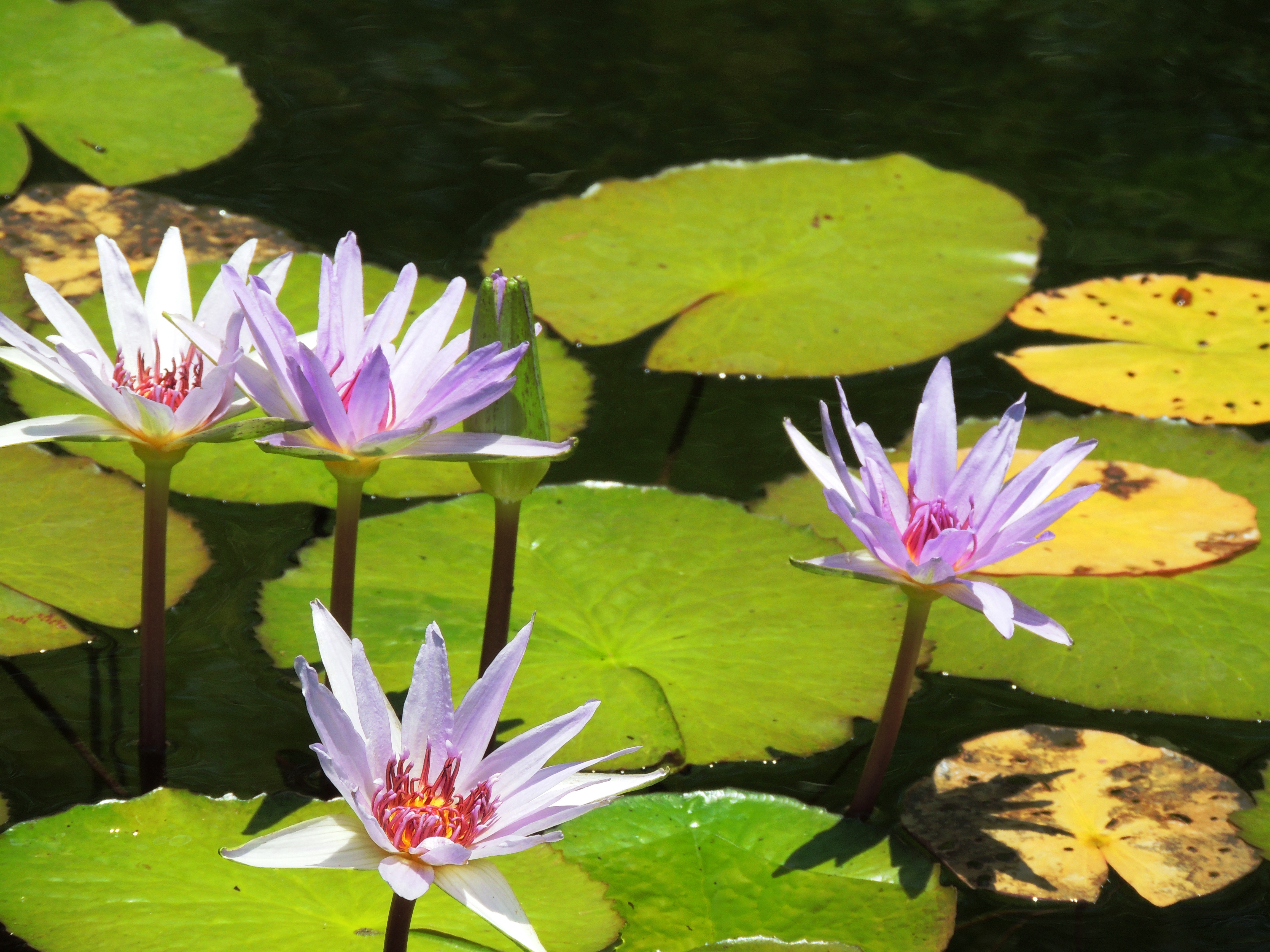
 Oh and its blooms! Just lovely as can be…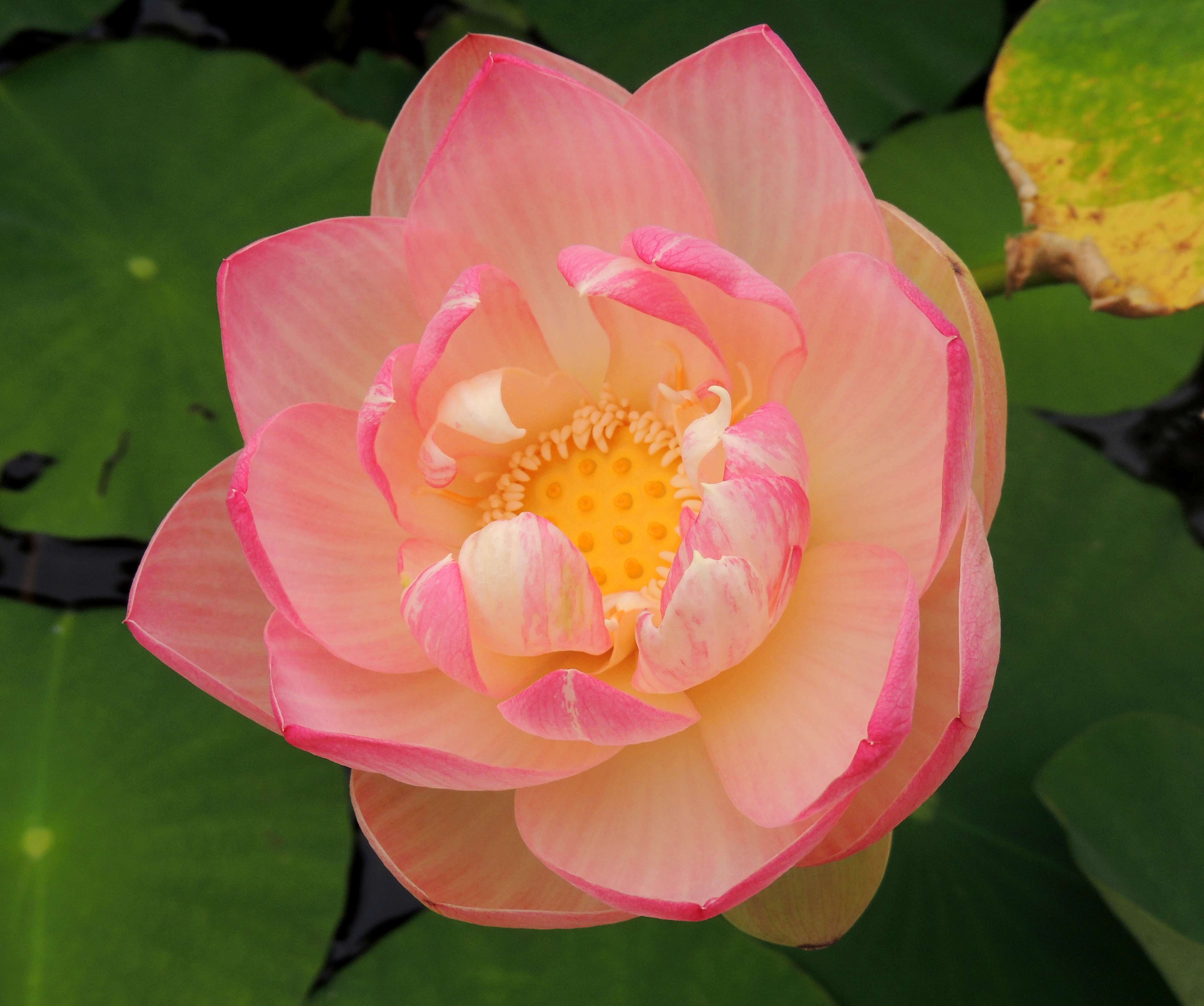
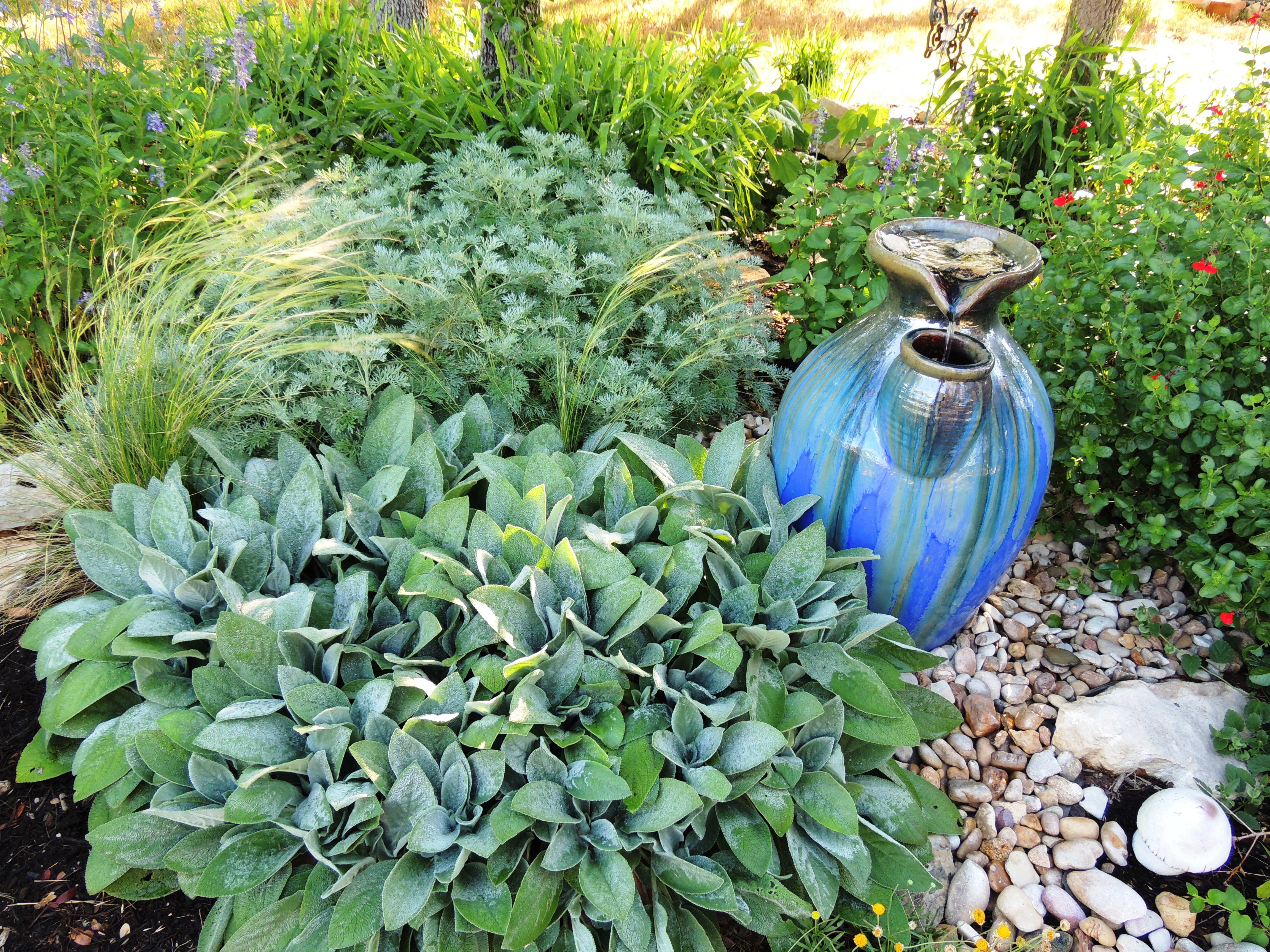
 And back yard plants filled in vigorously with all that welcome precipitation!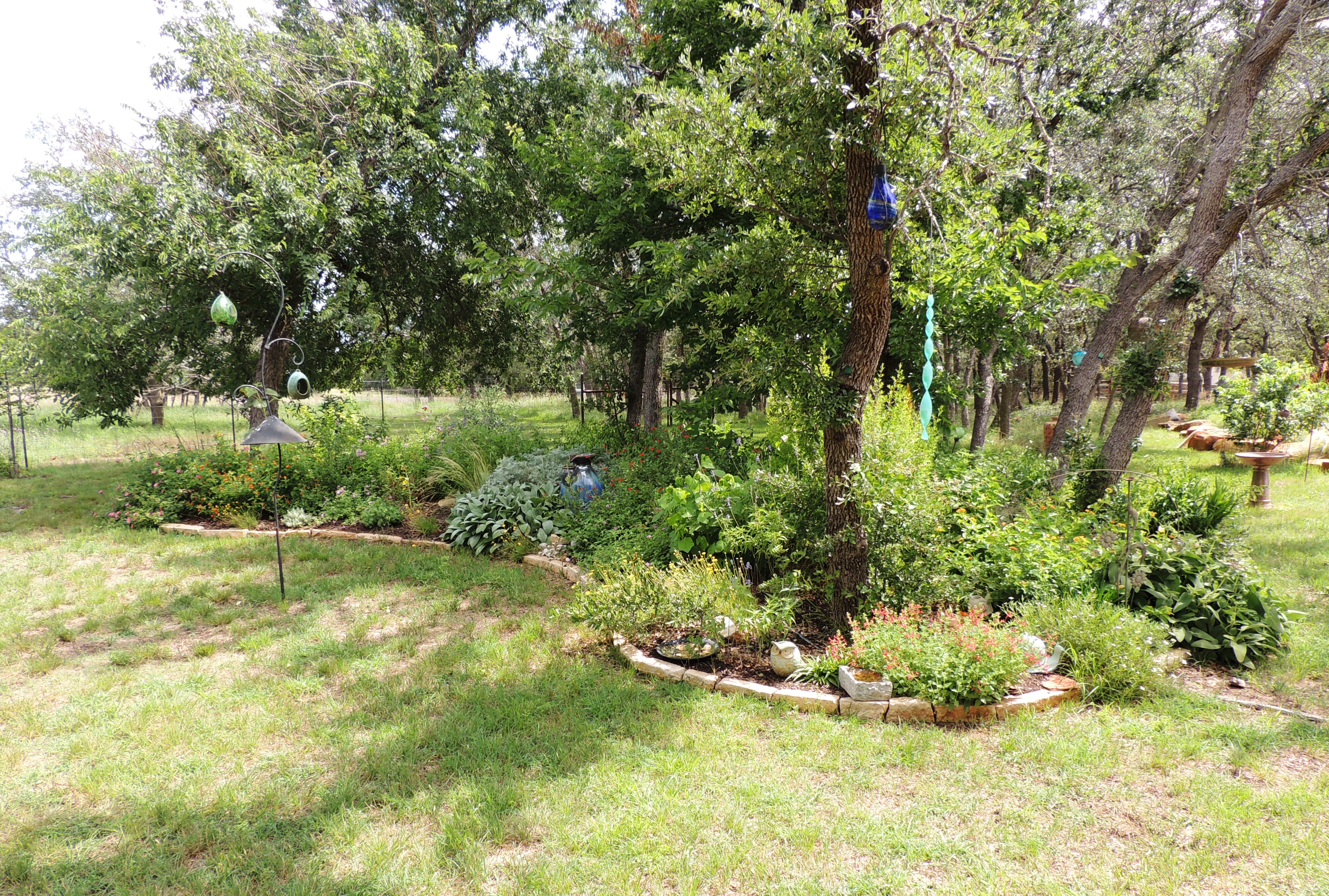
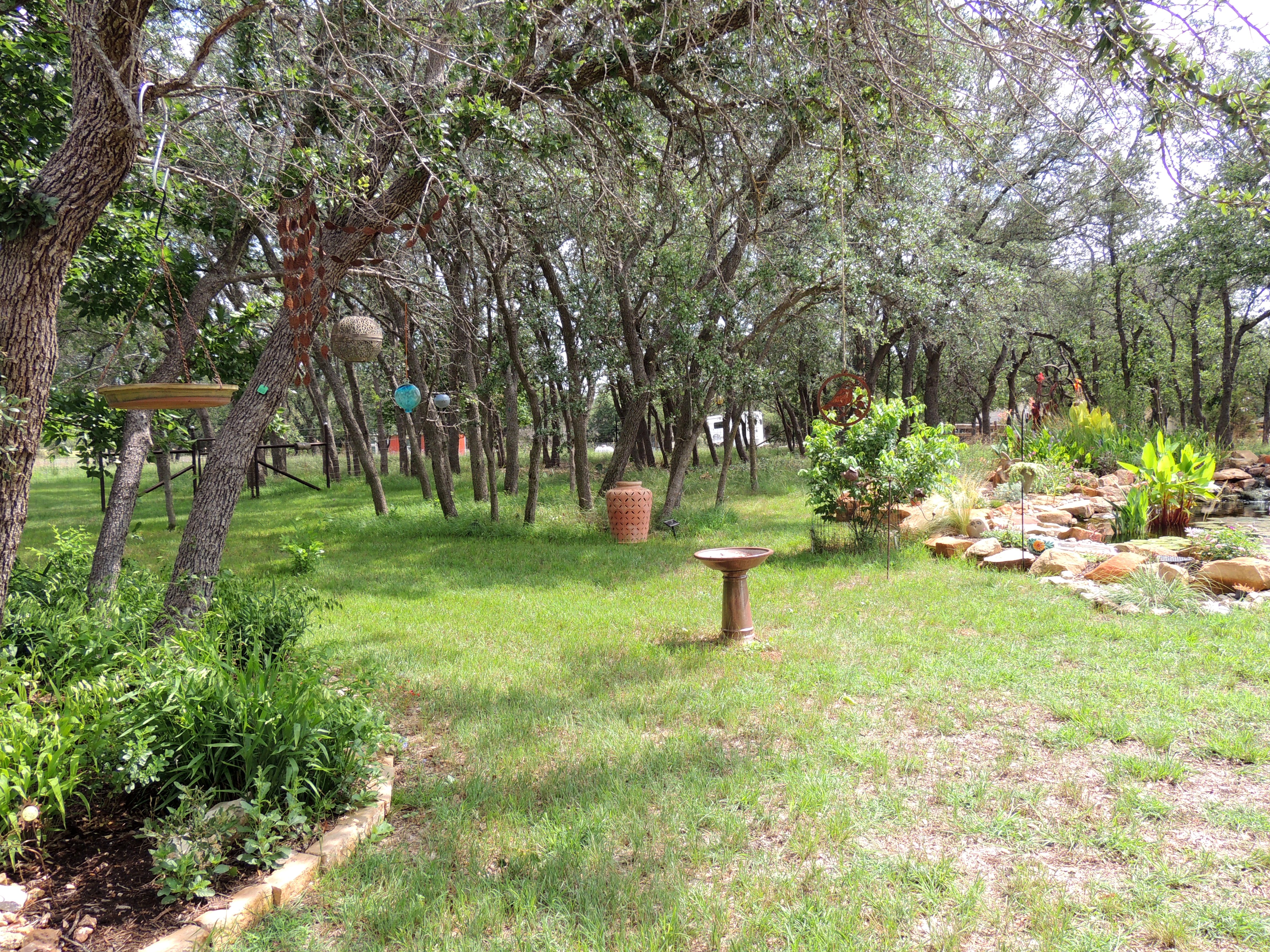
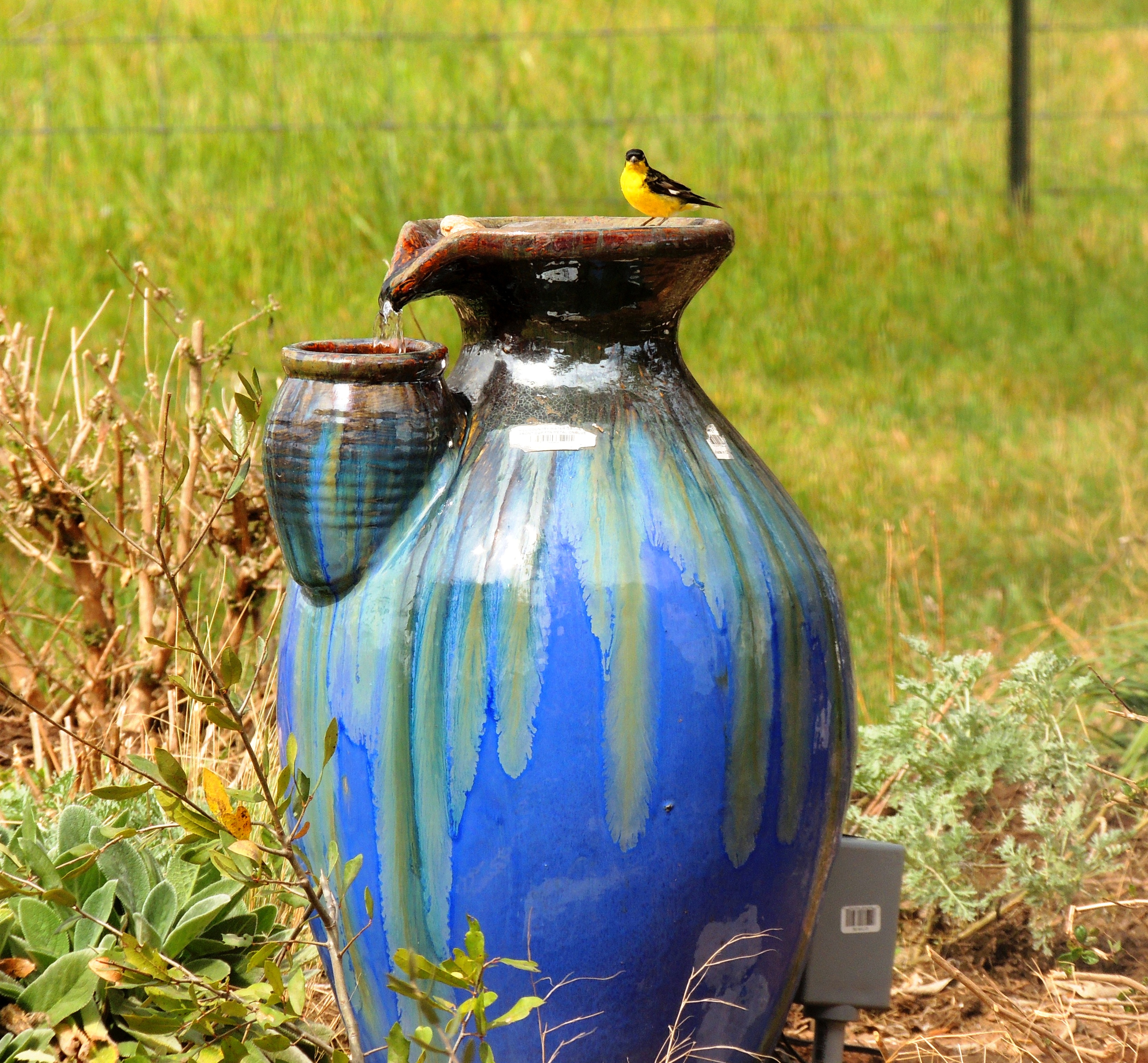
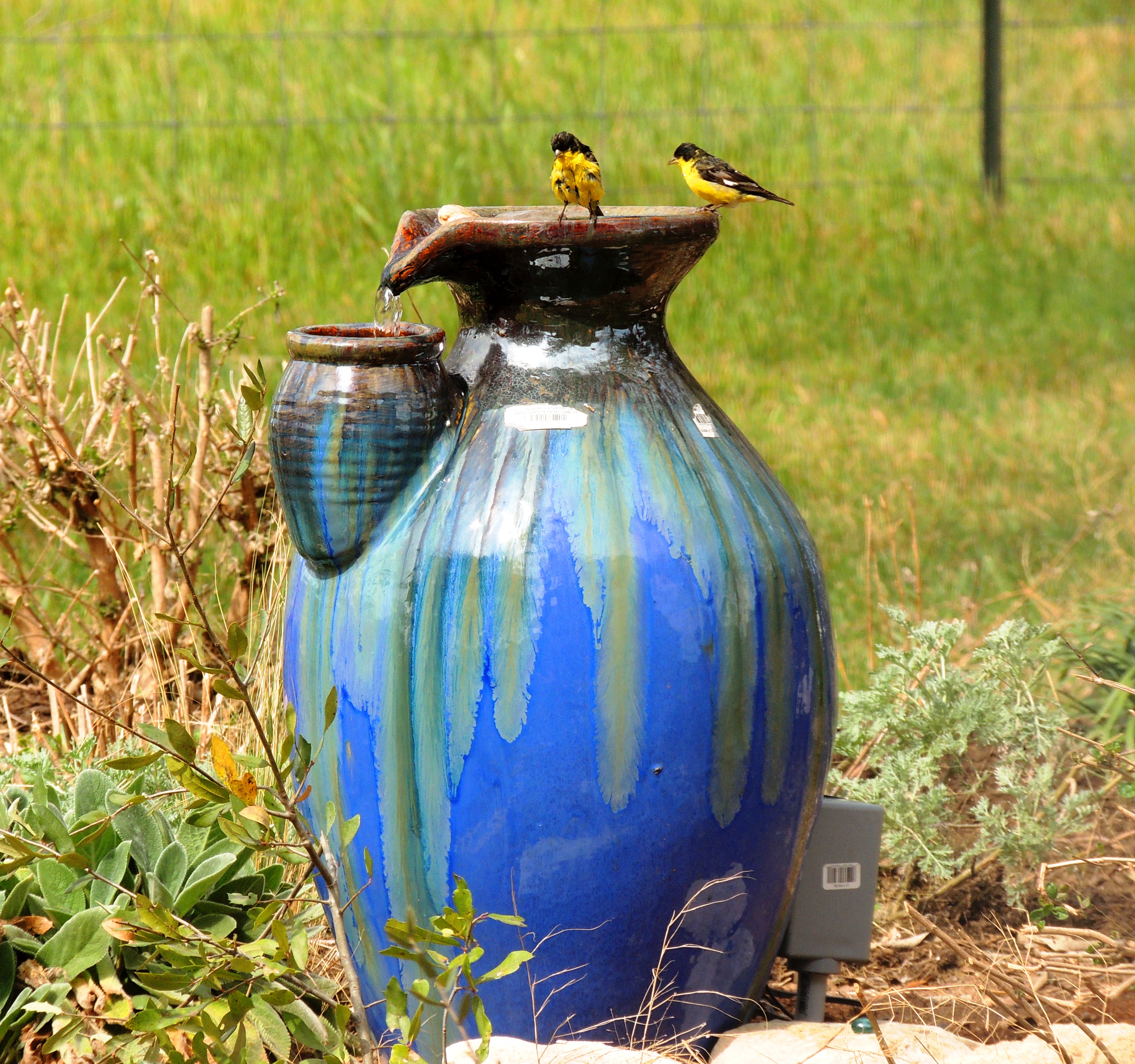
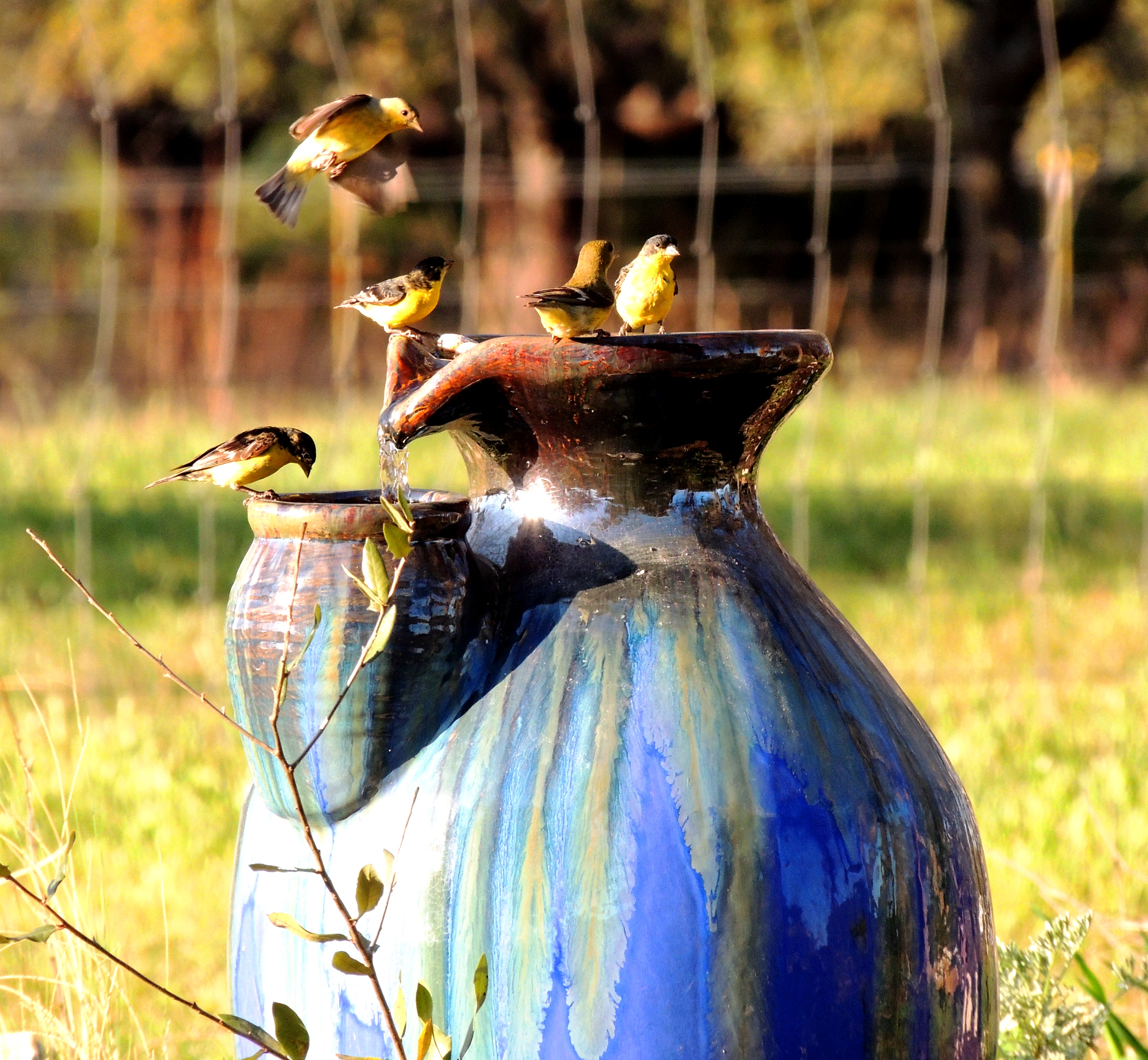
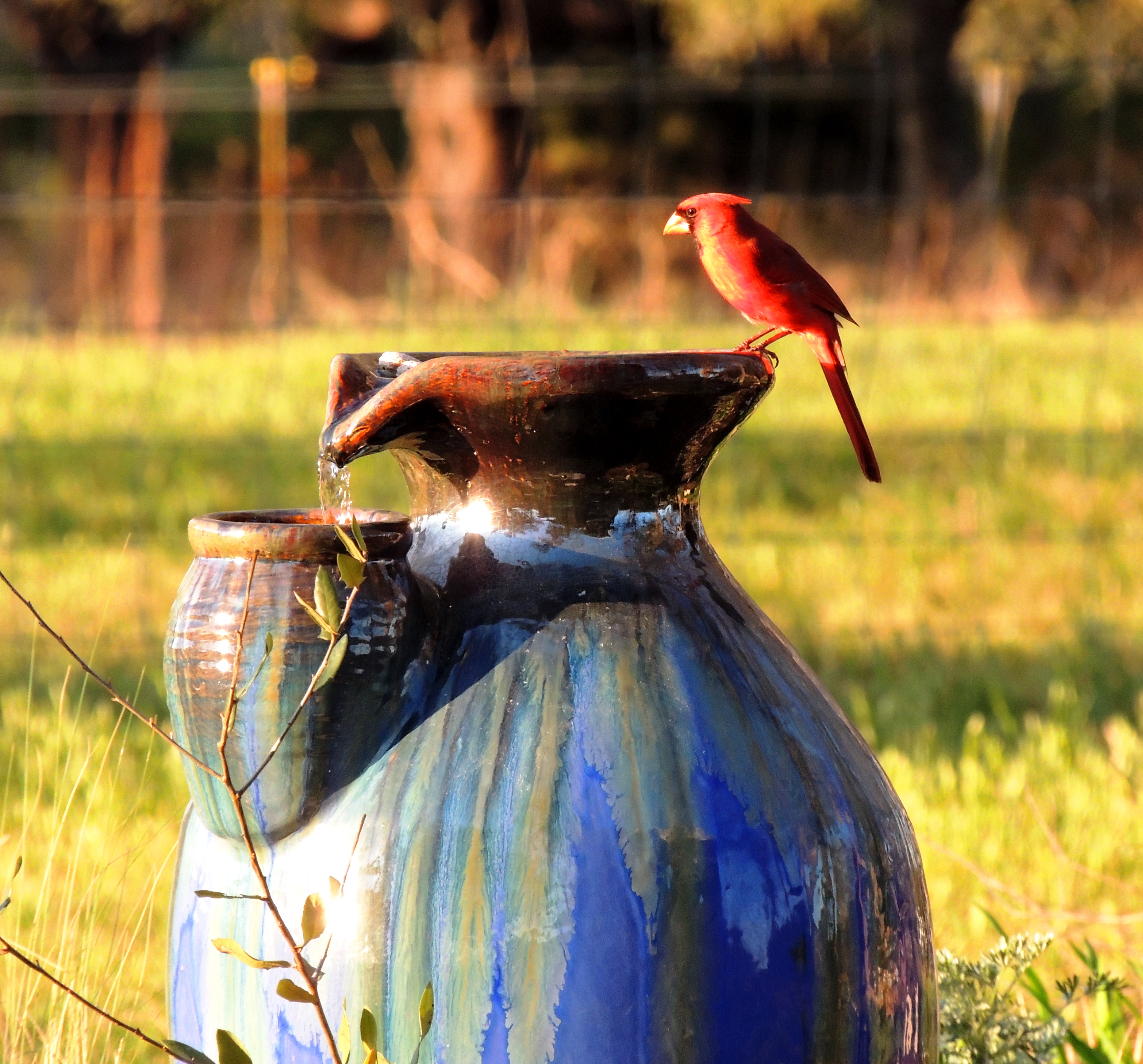
 And lesser goldfinches are enjoying the new avian jacuzzi.
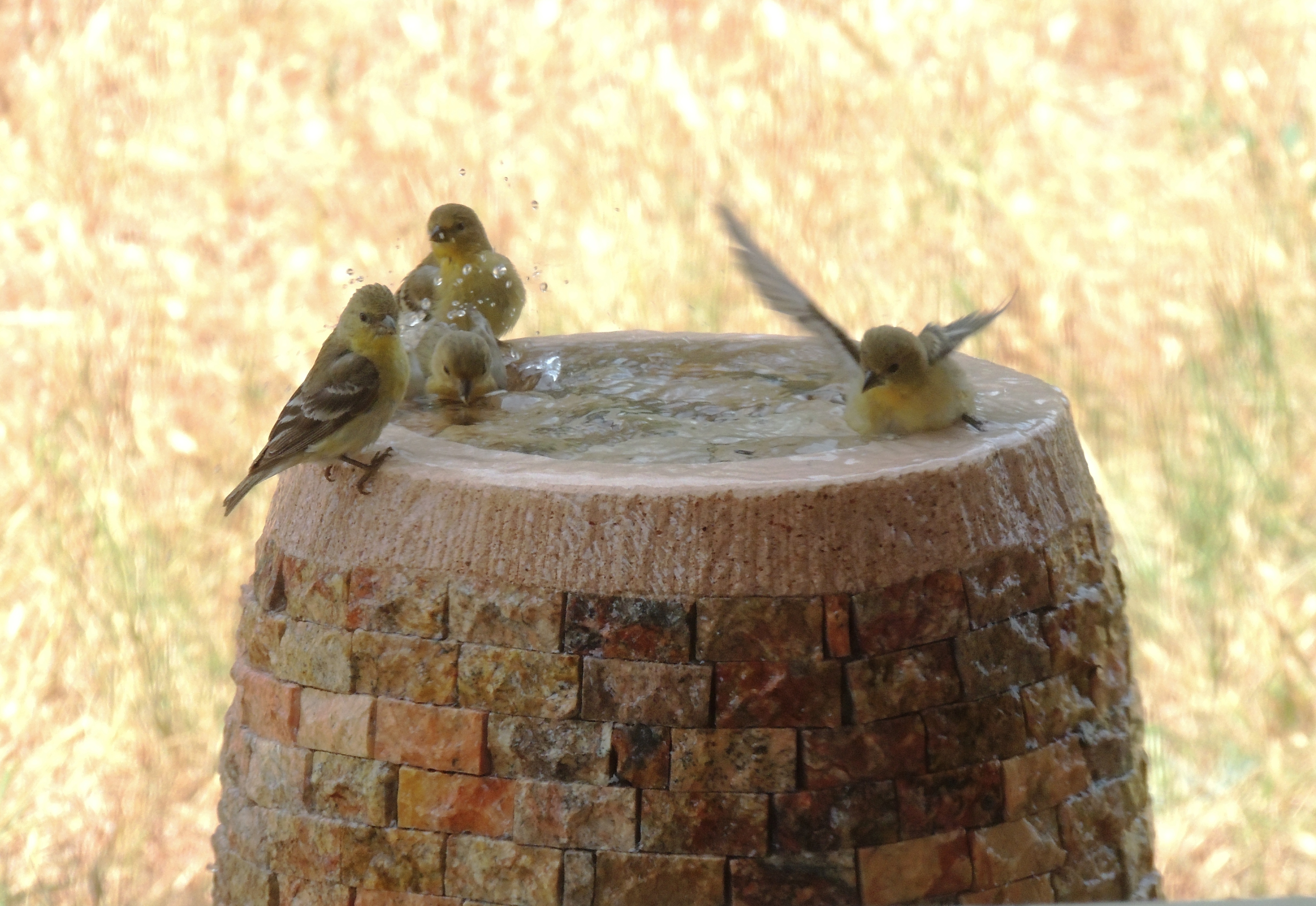 The things I do for those little critters. 🙂