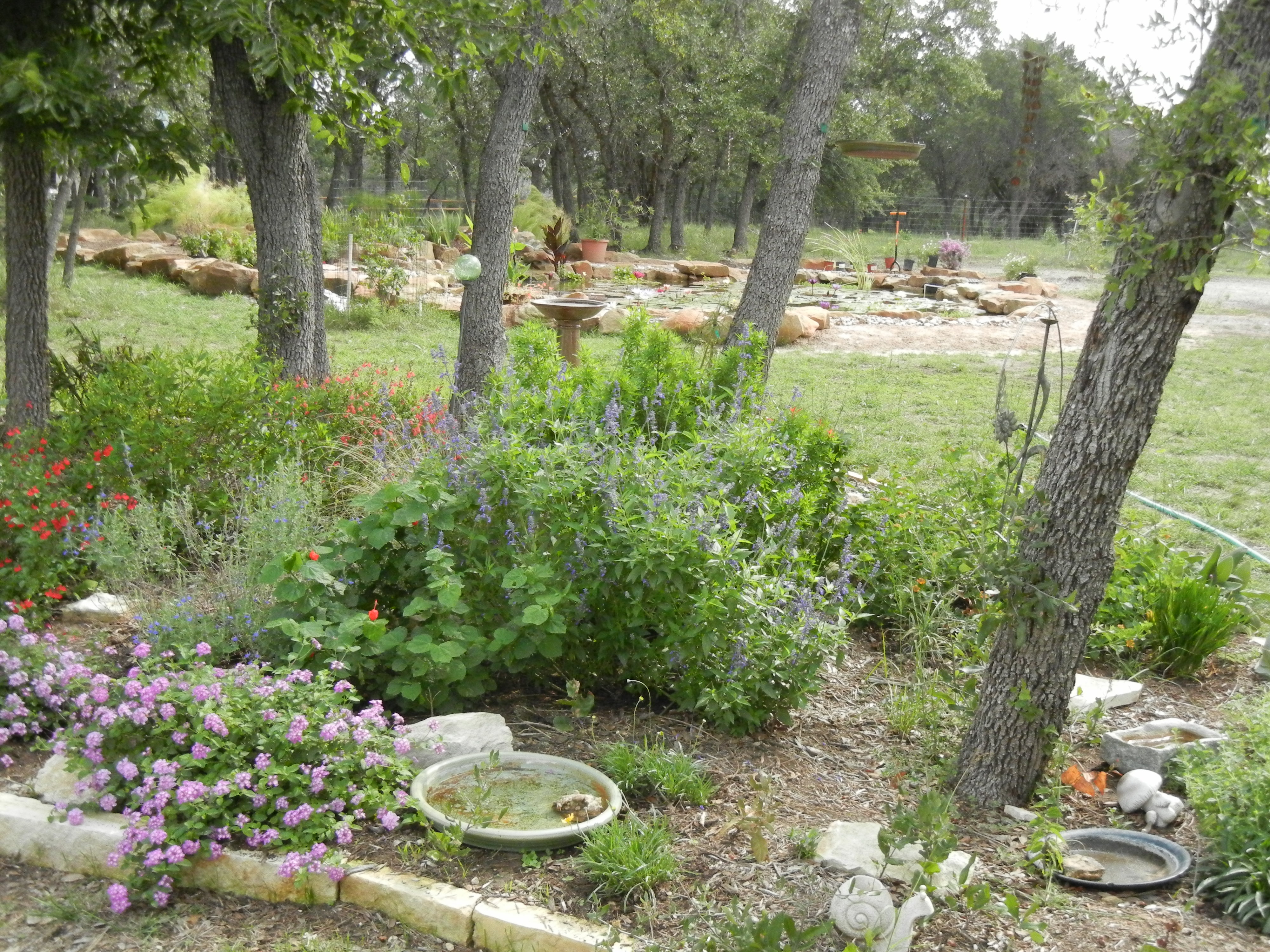
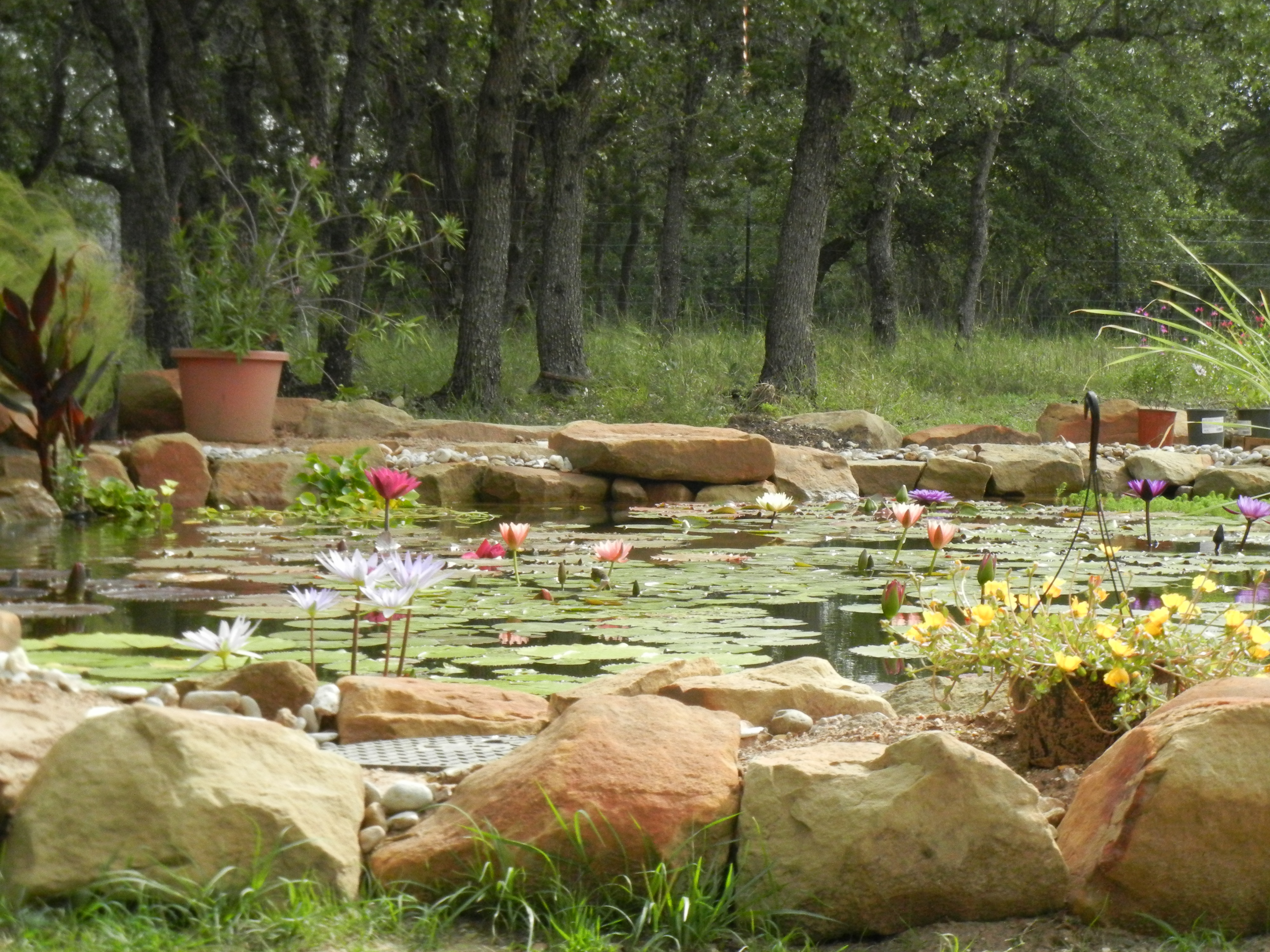
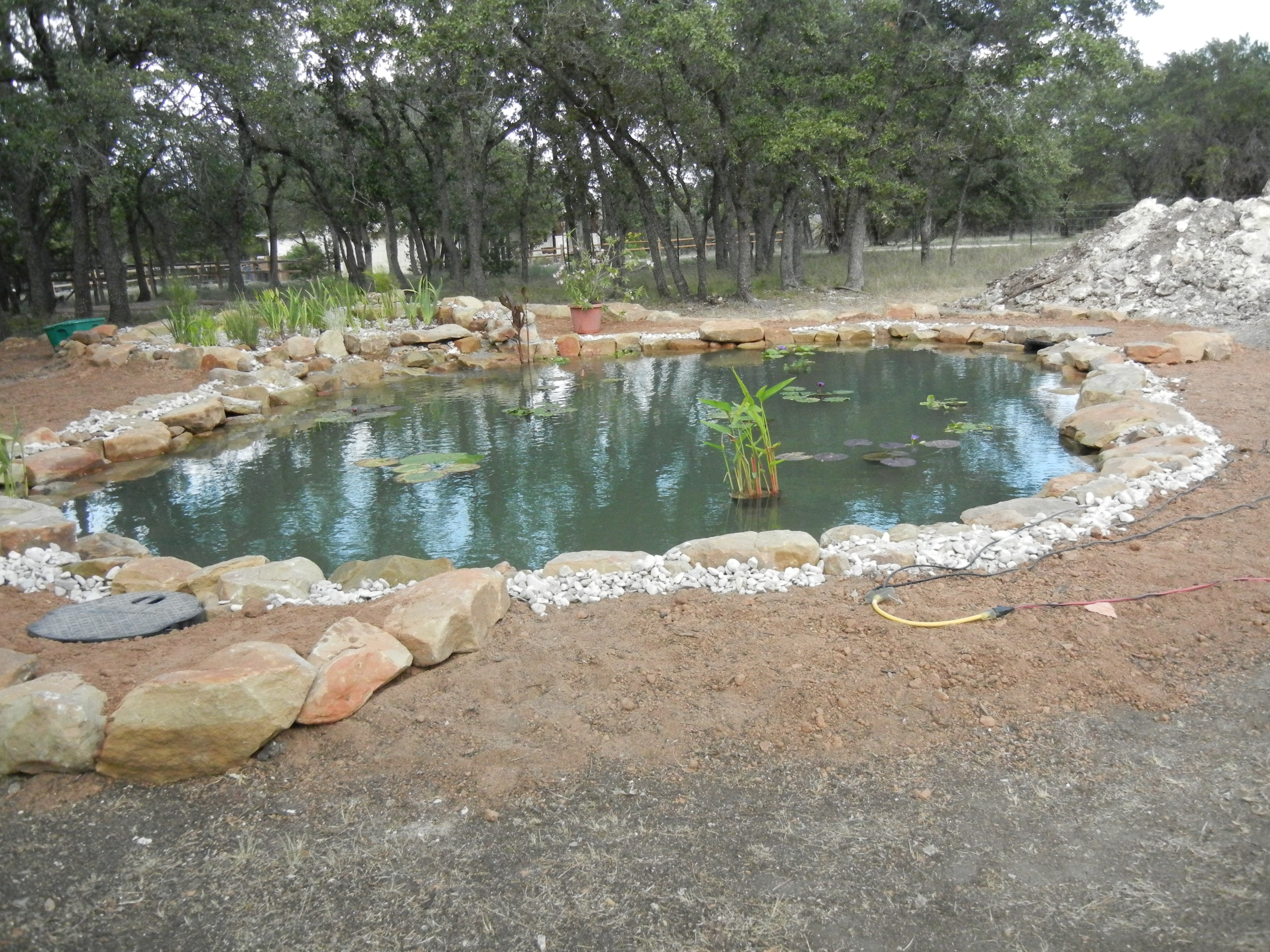
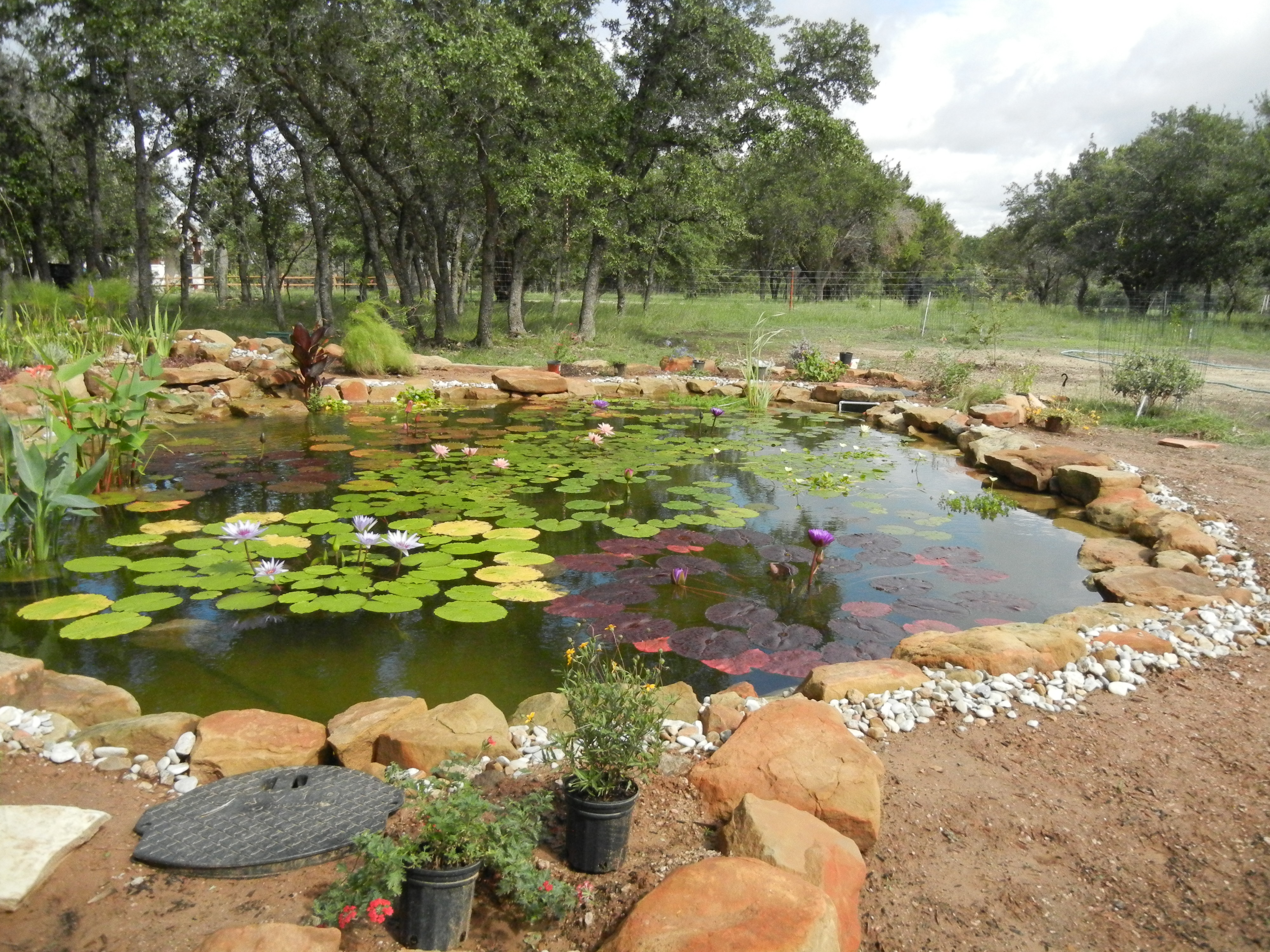
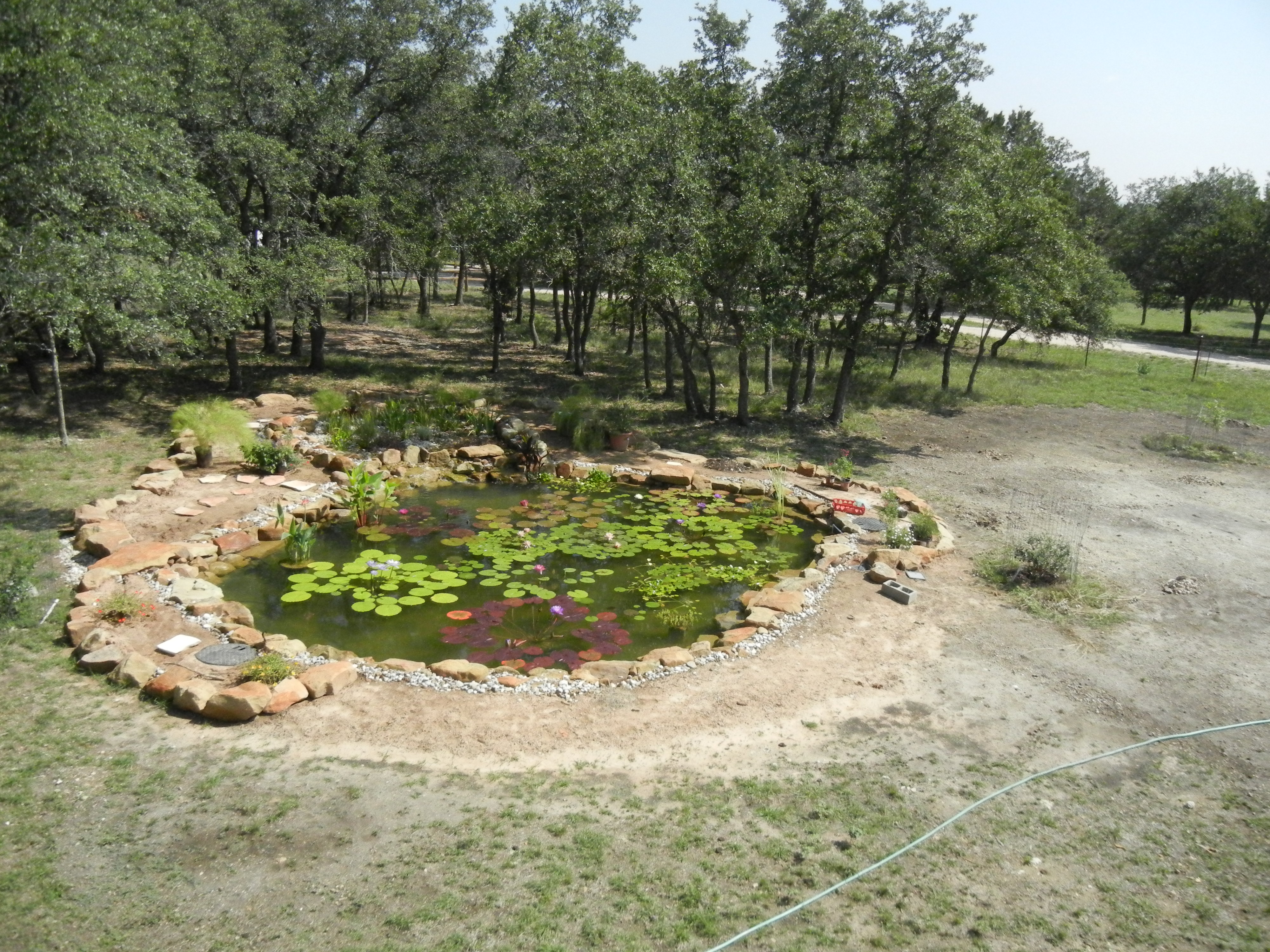
Since having the pond I have developed a whole new appreciation for the dragonfly. Not just the flying adults, but the nymphs that spend their time in the water, skillfully and nimbly stalking and catching any small creature that may come their way. Their transformation to the adult dragonfly is nothing short of amazing too. It seems that the same incredible agility and skill that the dragonfly has in the air is mirrored in their maneuverability in the water.
Yet the nymph could not look more differently than the adult. It’s actually kind of ugly – brown and big and all ‘creepy crawly’. If I had caught it crawling up my leg earlier I’d probably have screamed…… But now I am in awe.
One late evening I was out on the lookout for any nocturnal activity in the pond and found these amazing dragonfly nymphs hunting their prey. And let me tell you, that the way they move is truly incredible. First, they move deceptively fast and are incredibly limber and athletic in the water. Not at all what I would have expected from a fat insect. They skulk and creep around rocks and crevices in a fast almost catlike manner, stalking their prey. And when they are ready to pounce on their intended target, the actually raise their tail end up before launching forward in one swift move to grab and eat their prey in a matter of seconds. I never would have thought to compare and insect to a cat, but that is exactly what they reminded me of. Small tadpoles and fish just have no chance against these incredible hunters.
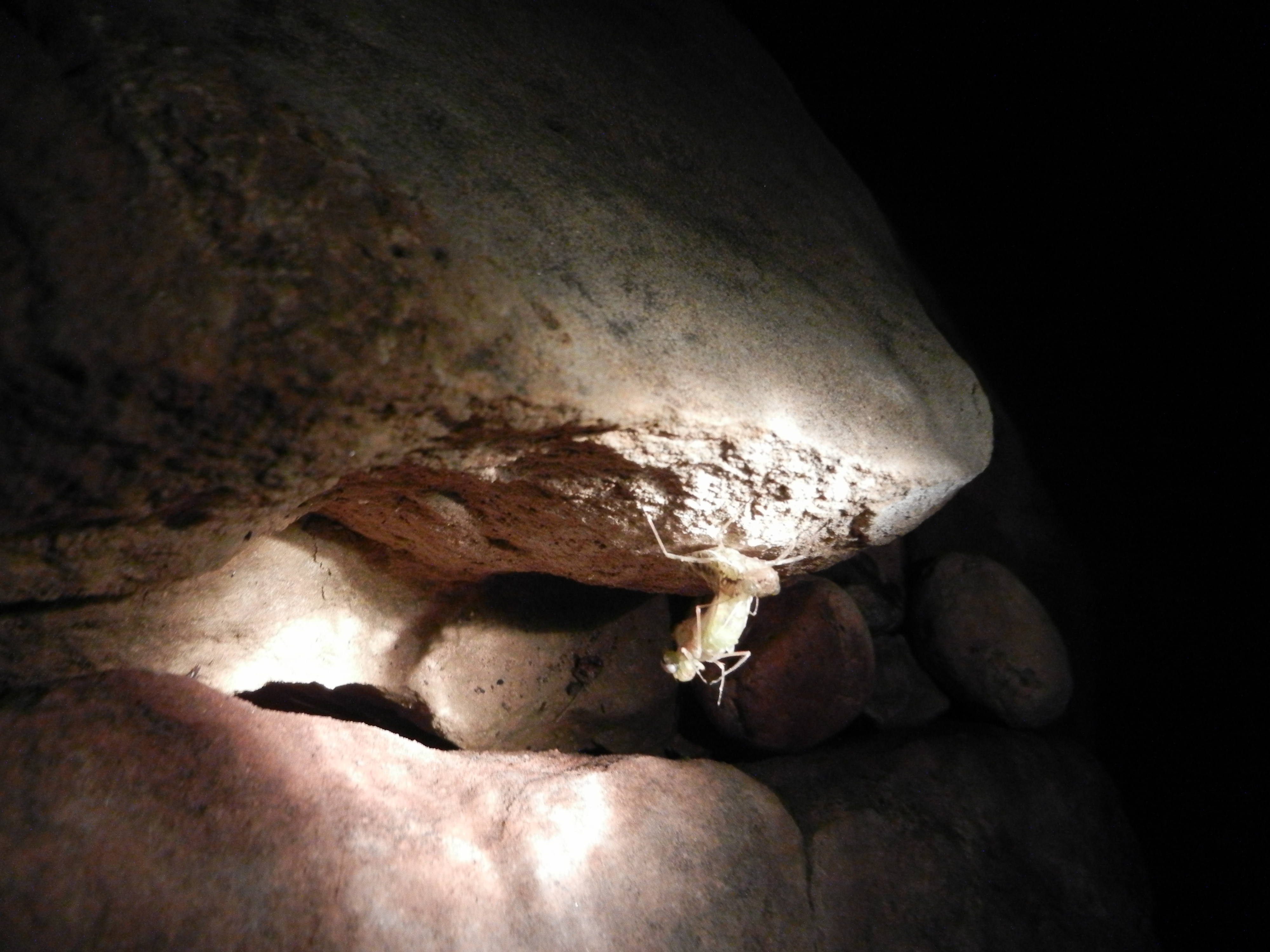
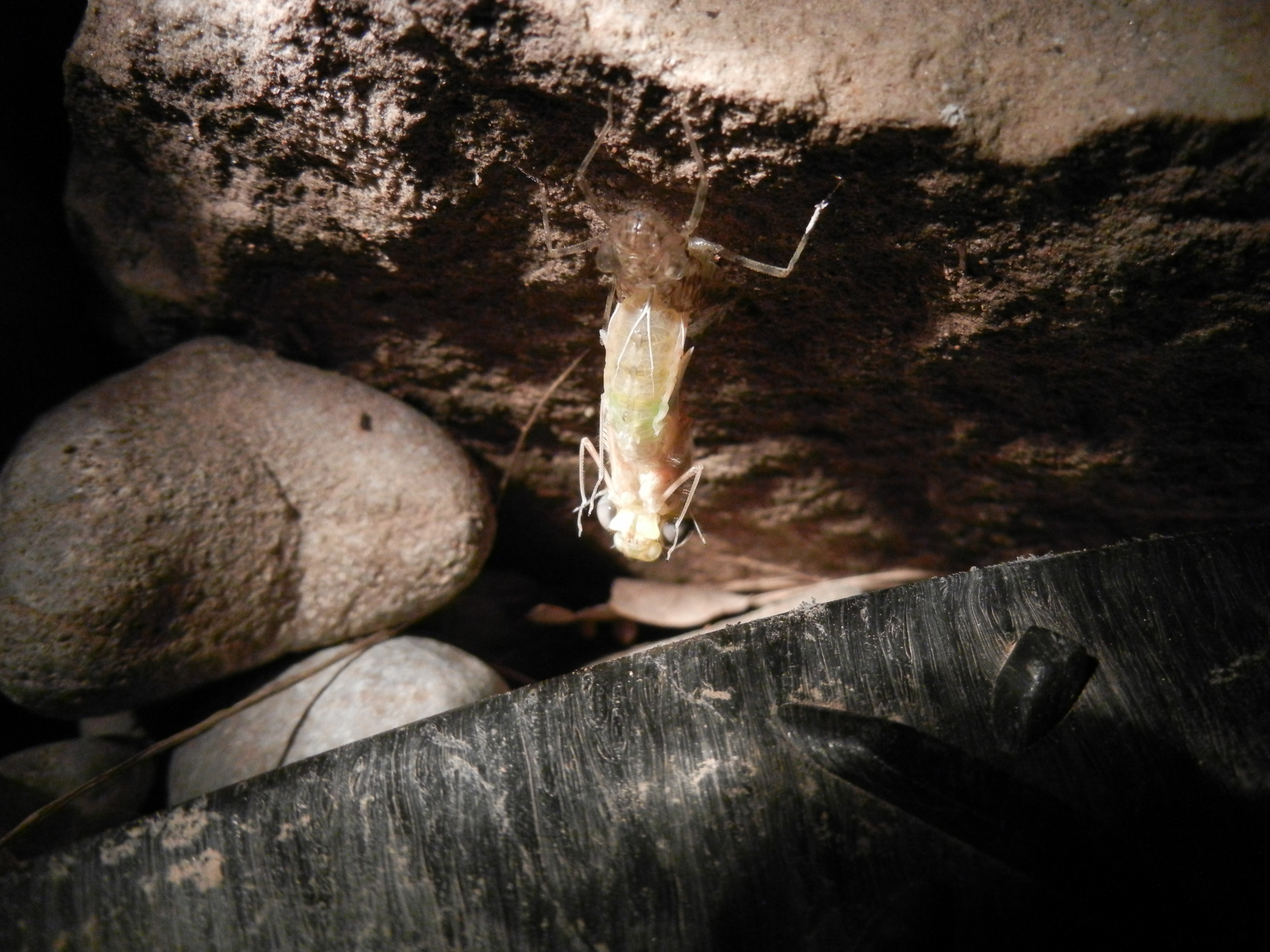
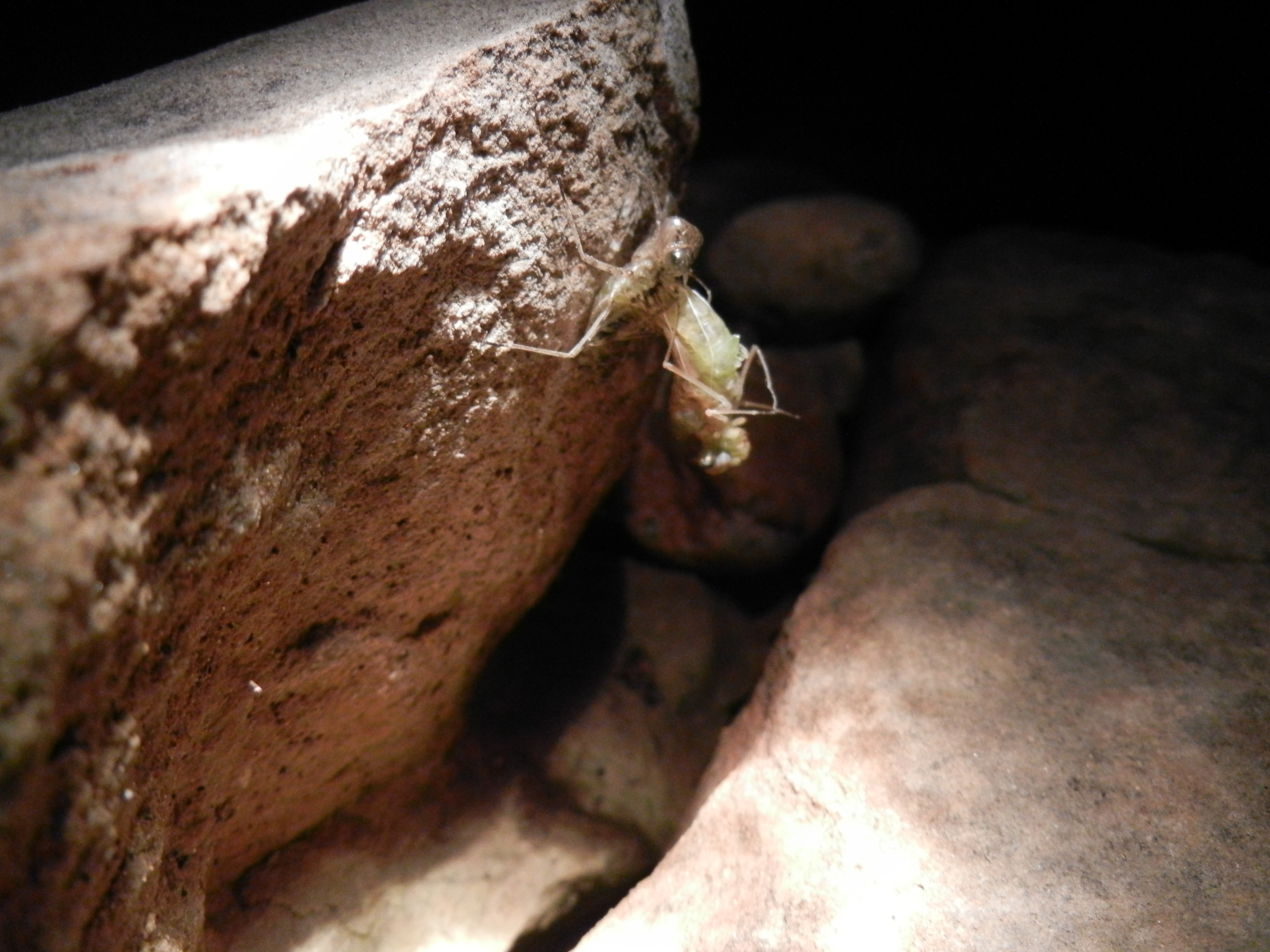
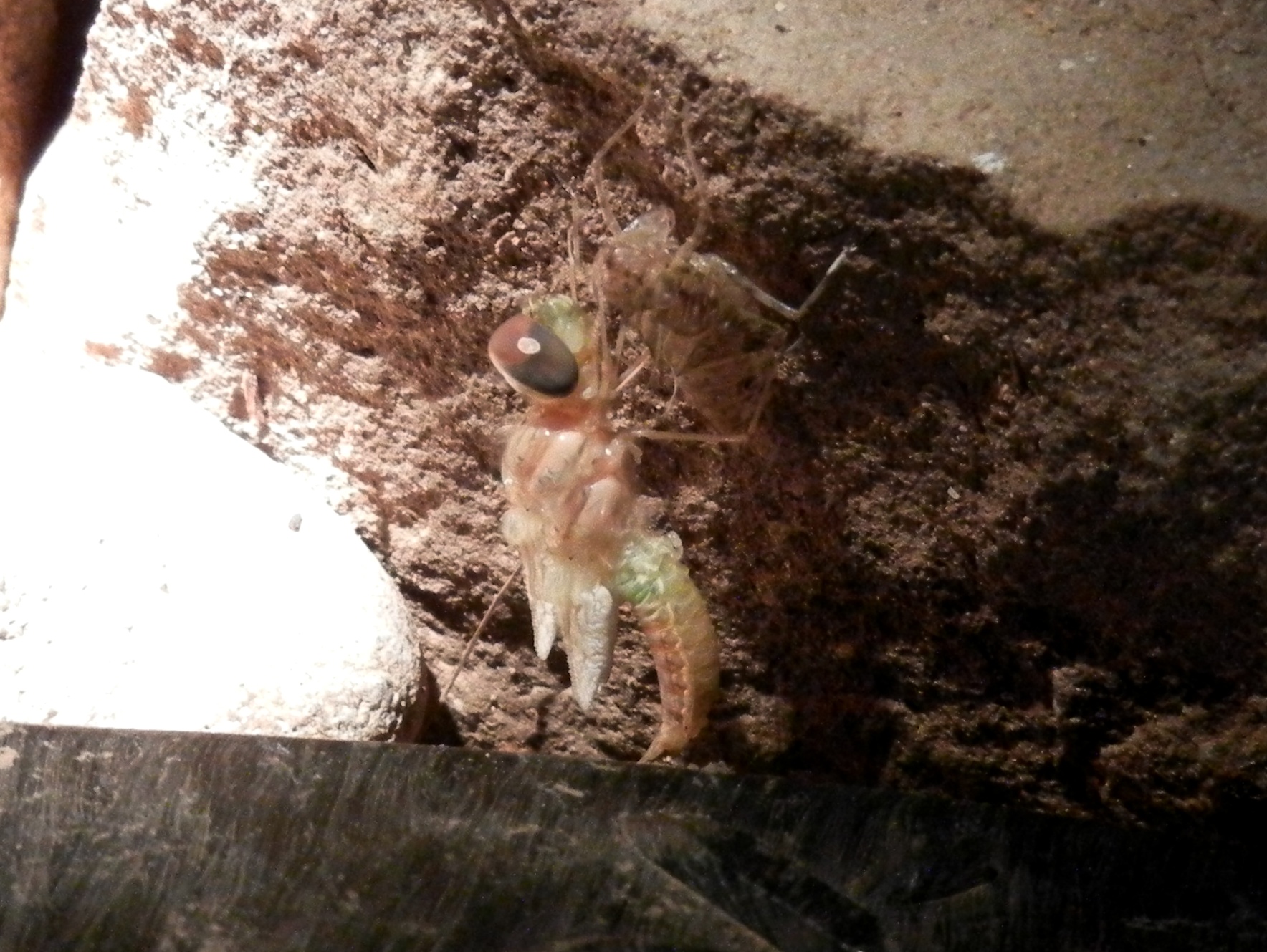
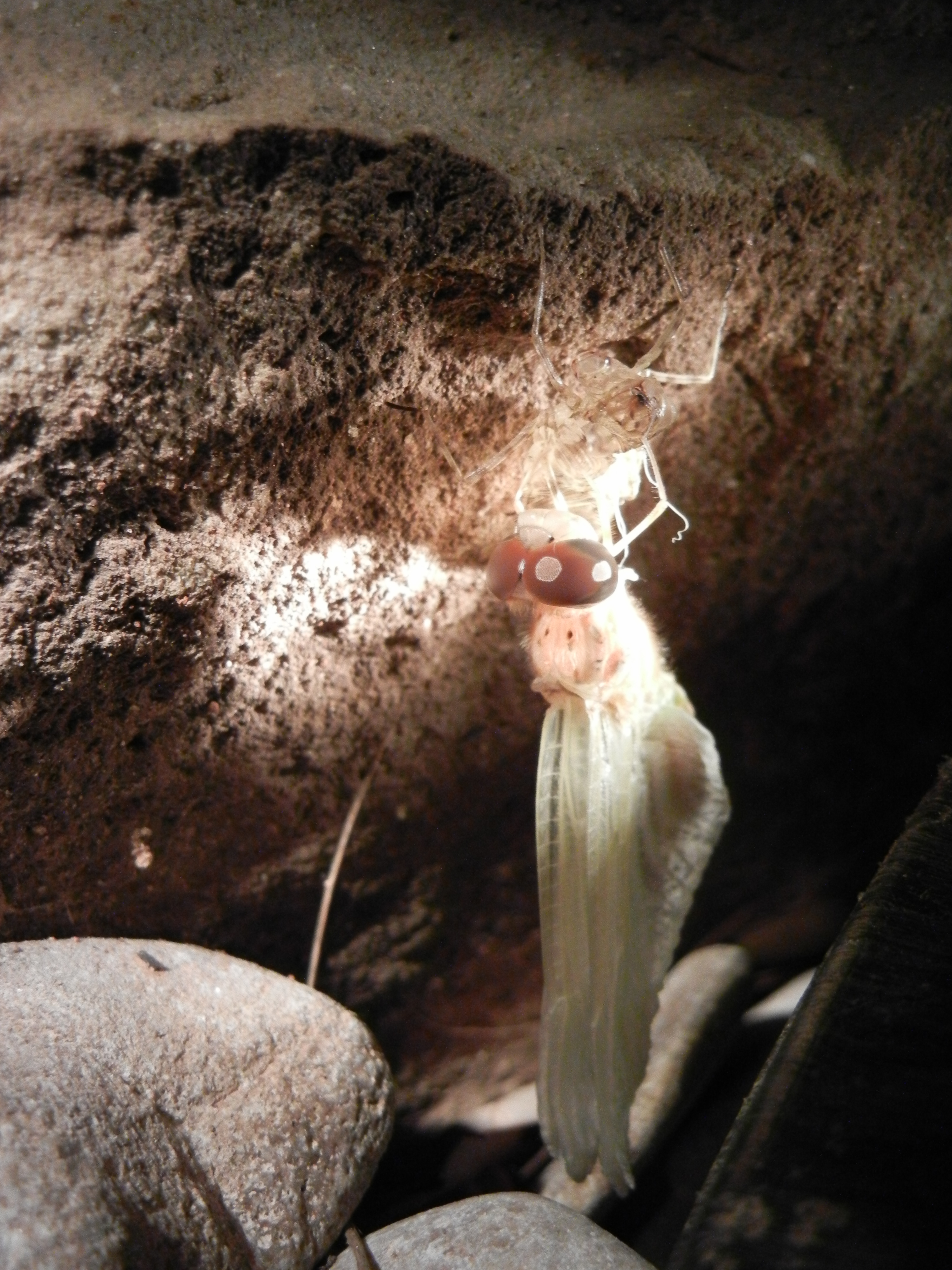
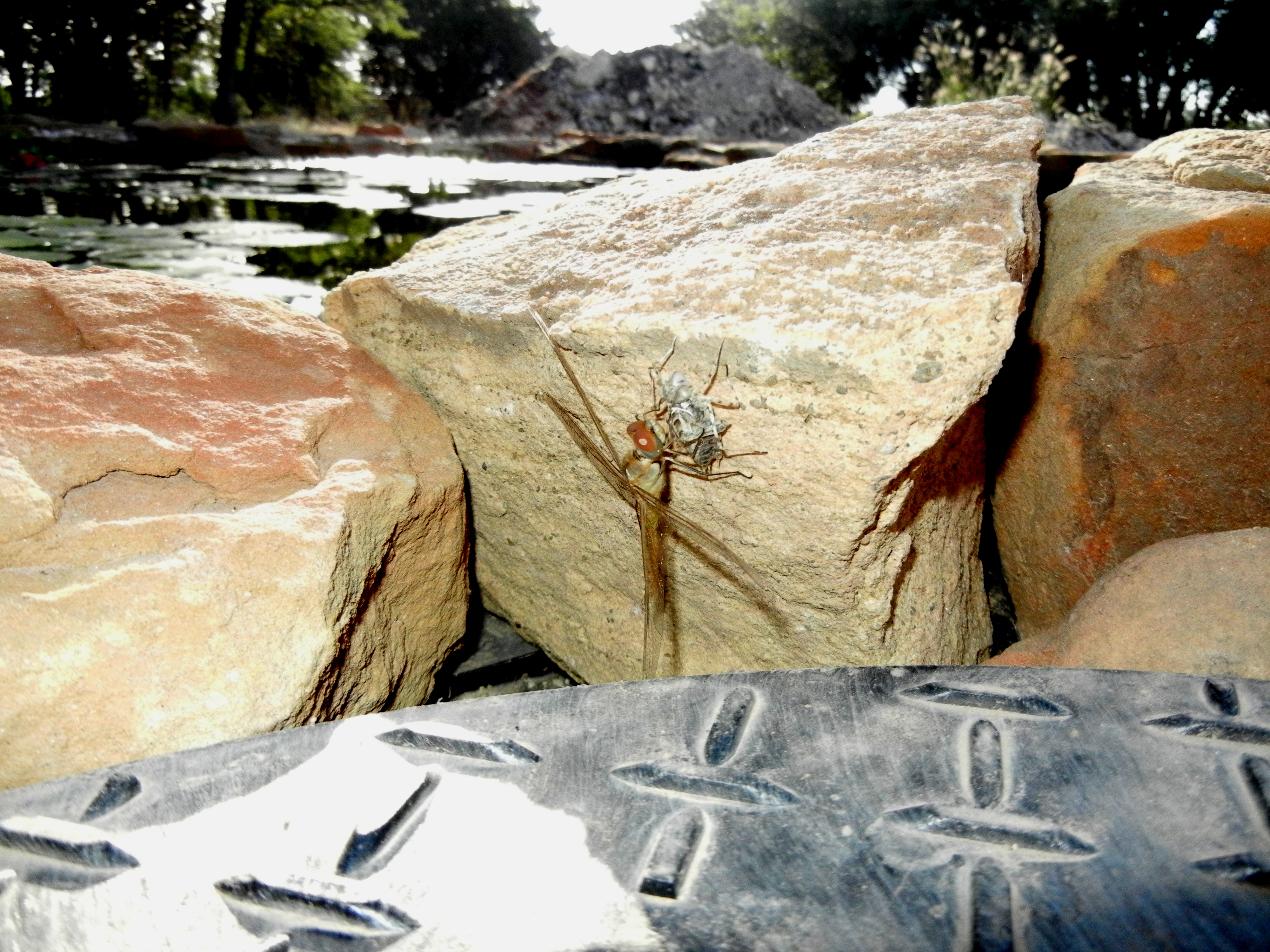
That same evening as I was watching the nymph finish off another unsuspecting tadpole, I saw another one crawl out of the water and search for a suitable spot to ‘hatch’. (I had my camera ready but apologize for the out of focus pics.)
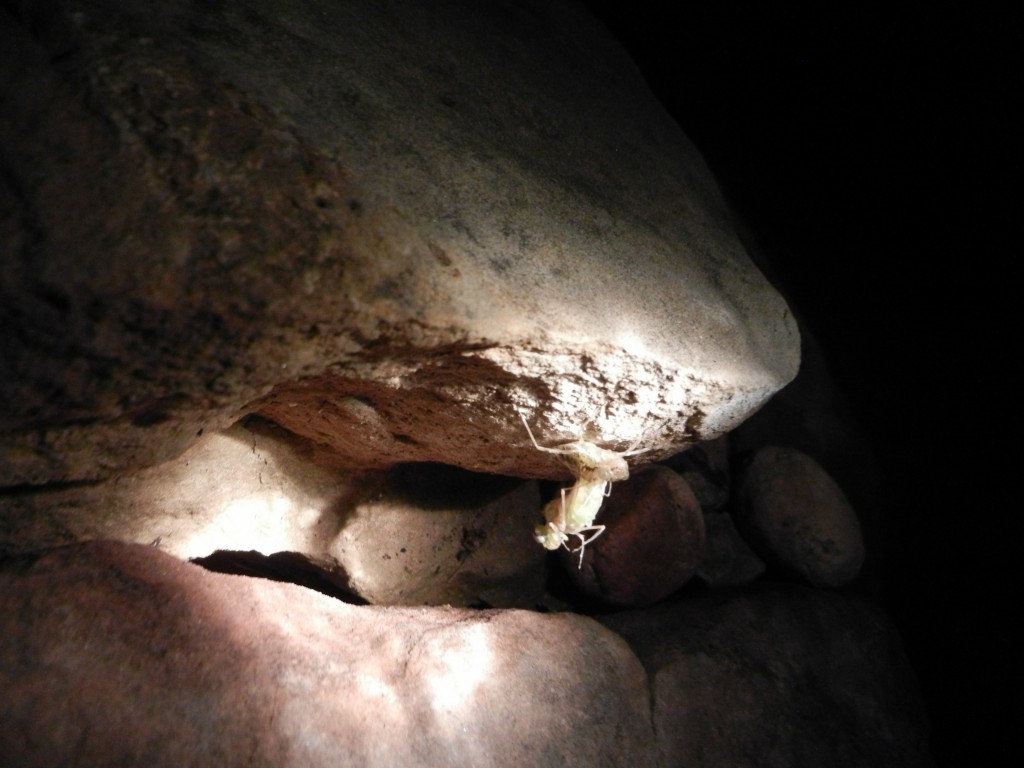
I was amazed at what I saw next. In a matter of minutes it settled on a vertical rock face and it’s body started to pulse and expand and contract. Suddenly the top part of the thorax burst open as the new dragonfly pushed itself out of the old skin.
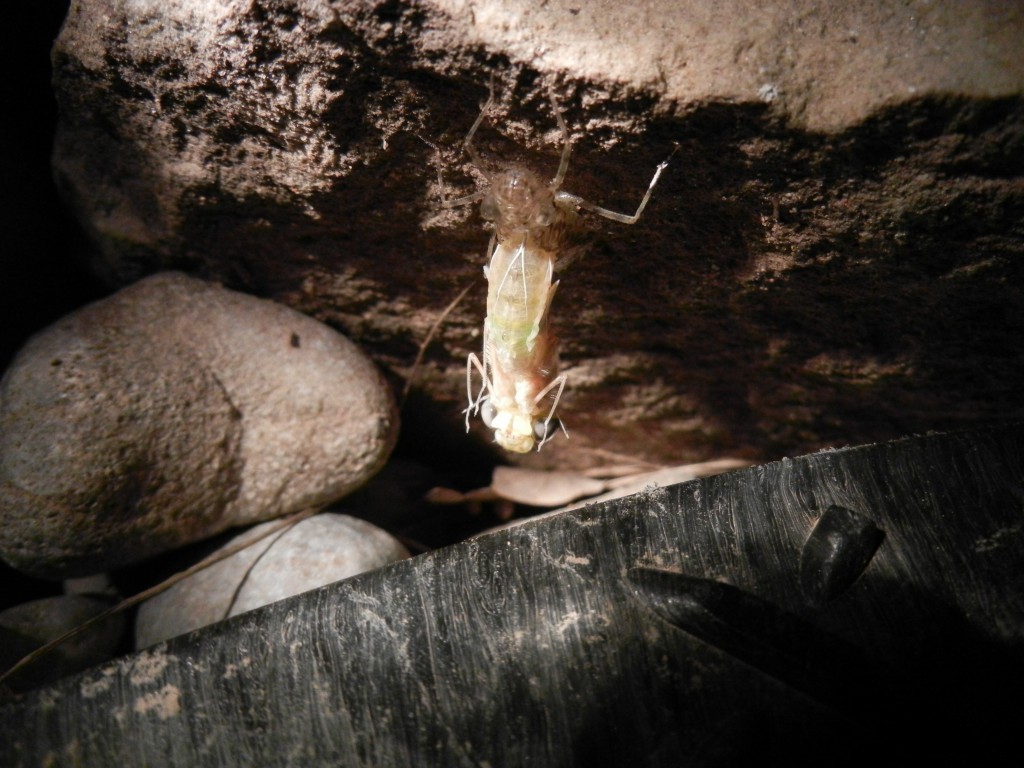
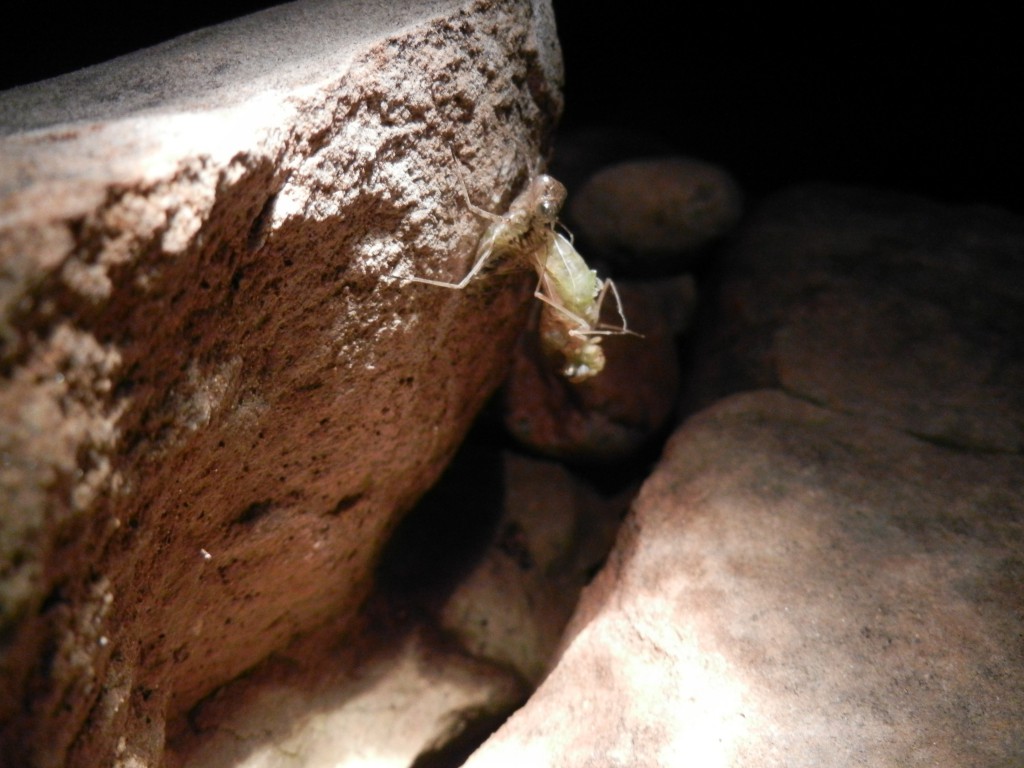
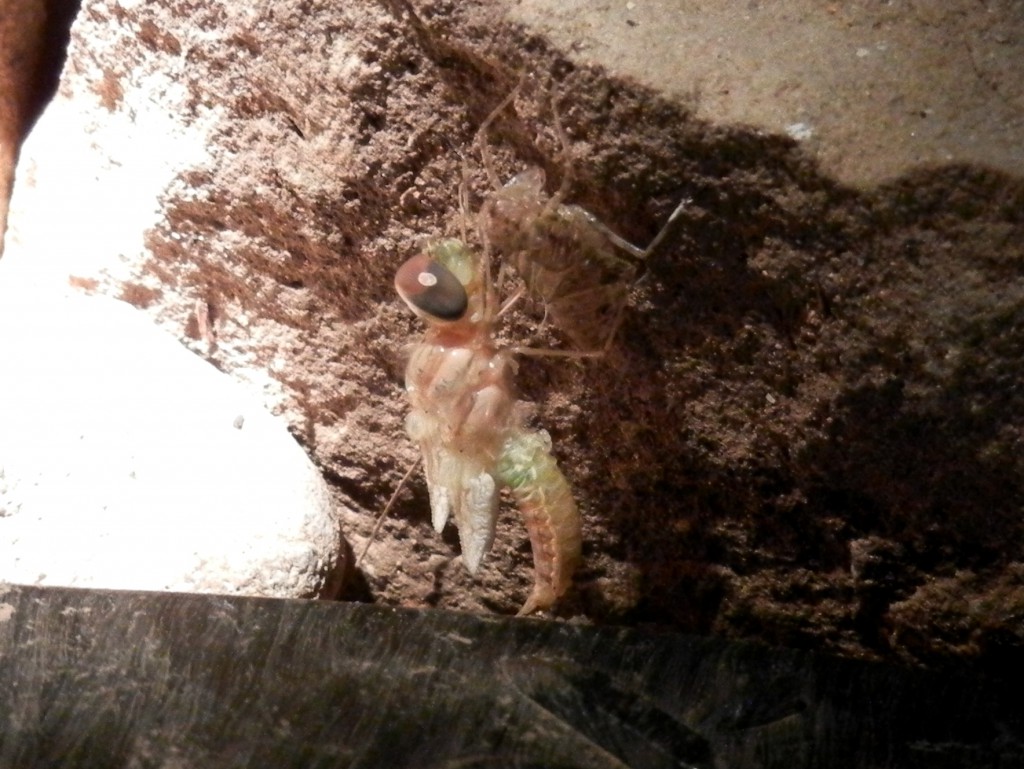
It seemed to take an awful amount of energy to pull and push its way out of the old skin, but once it was finally out it started to pump up its body and wings. The wings started out looking like little green stalks, but quickly expanded and got longer and wider by the second. It’s thorax lengthened too.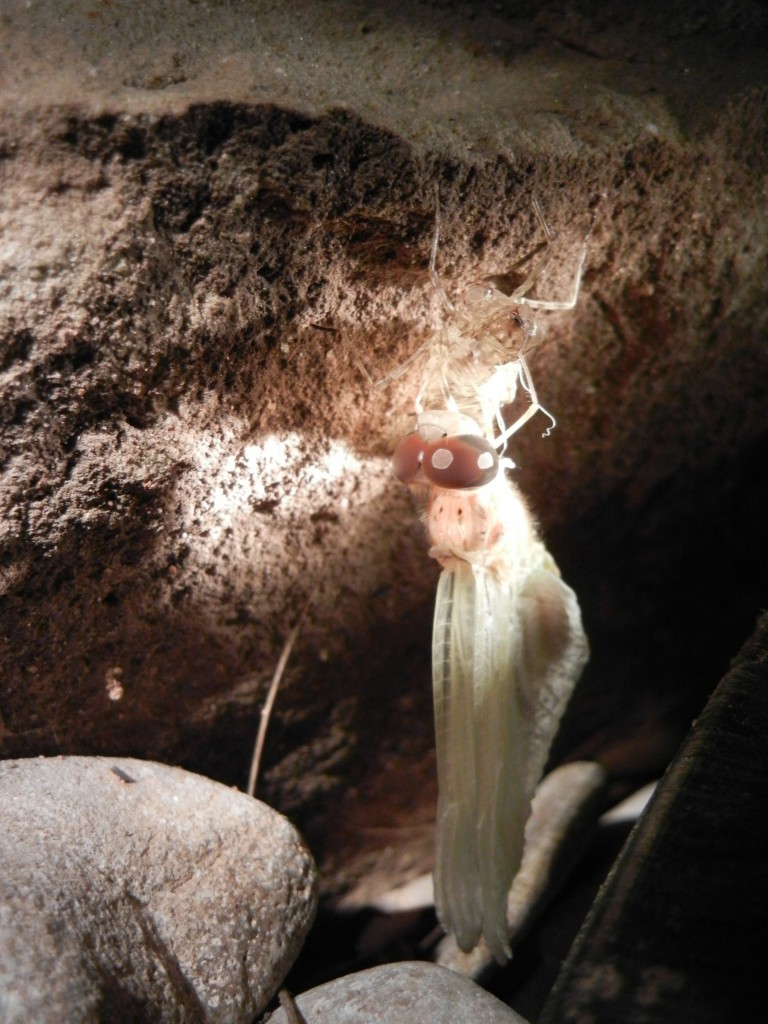
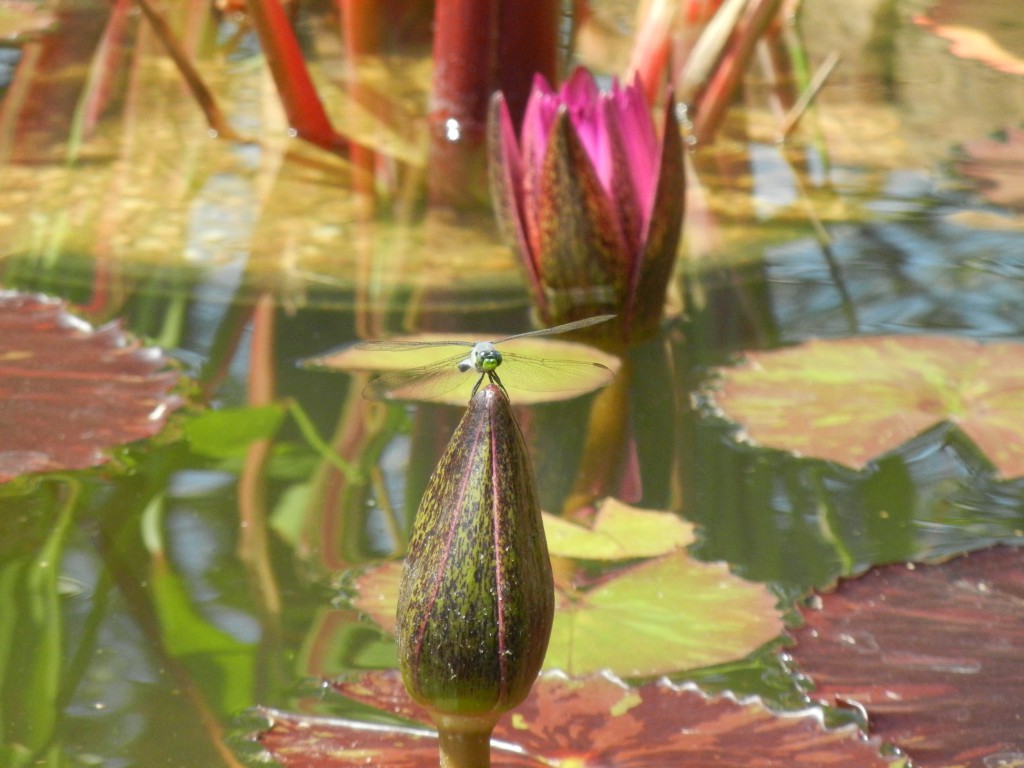
I stayed with the dragon fly until I got so tired I had to go inside and get some sleep. The next morning I saw it still sitting there on its exoskeleton with its wings completely open. As it saw me move closer, it took off for its first ever flight. I wonder how it must have felt to take to the sky for the very first time, after a lifetime of crawling and swimming in water. Seeing a whole new world. I call this the coolest shape-shifting I have ever witnessed.
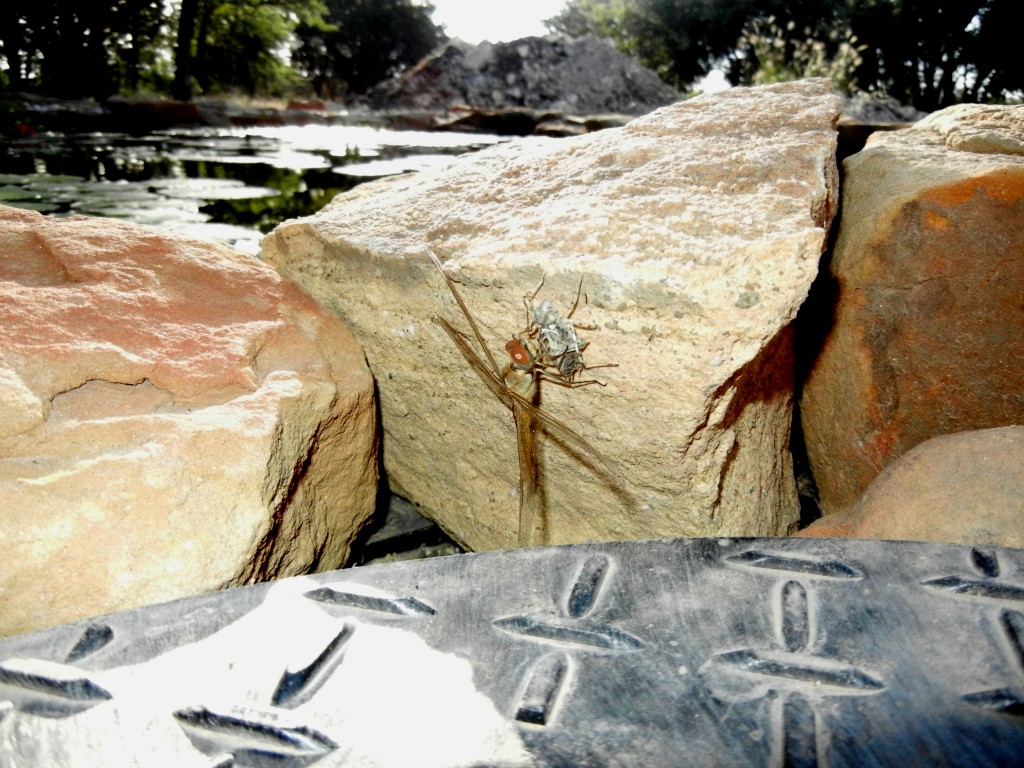
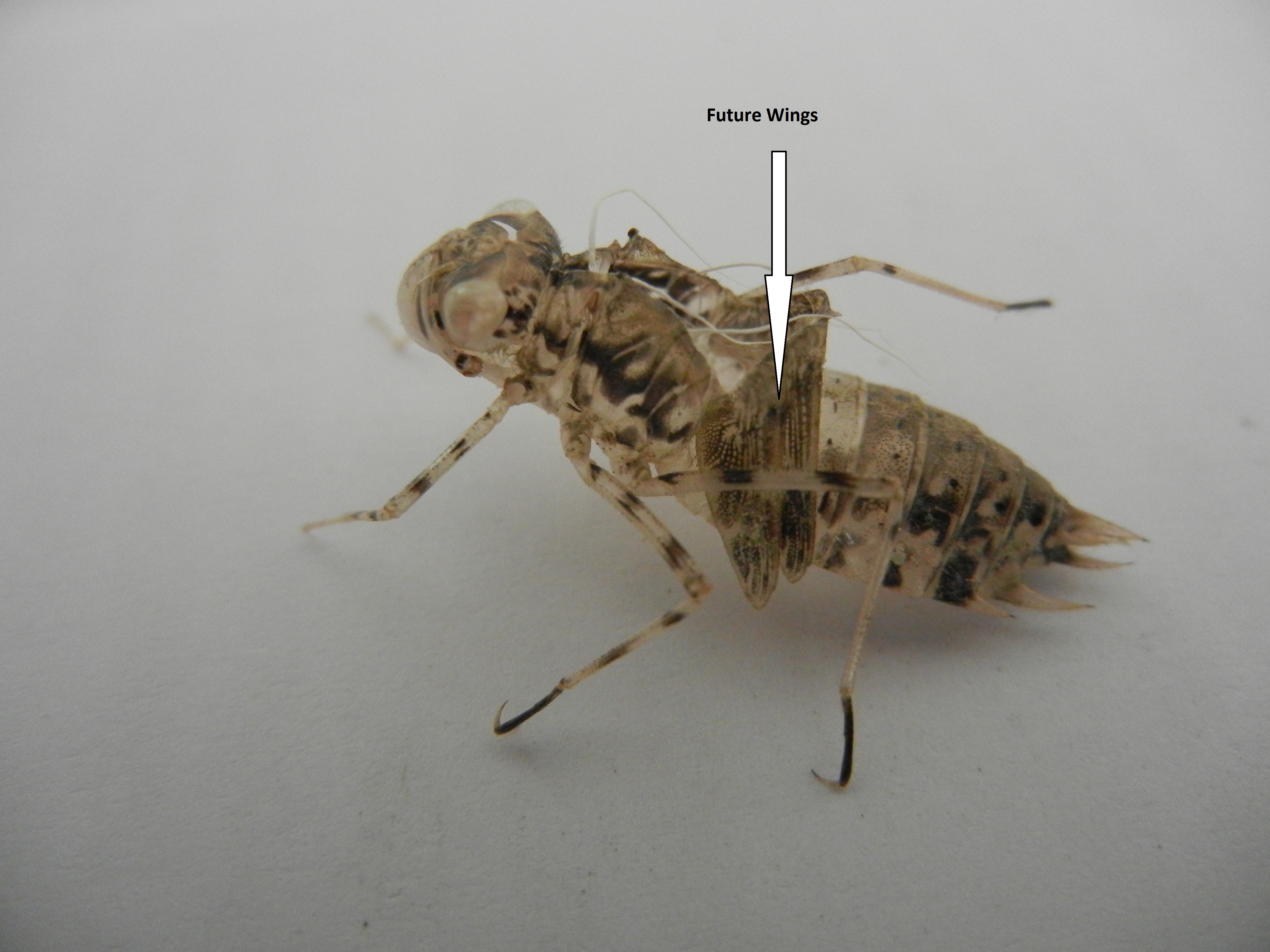
I took the exoskeleton inside to get a better look. Here is the exoskeleton from the top. On the top back part you can clearly see the hole where the adult emerged from. Click on the image to enlarge.
In the below picture you can see the folded up ‘wings” or the body parts that eventually will expand to be the wings once the adult emerges.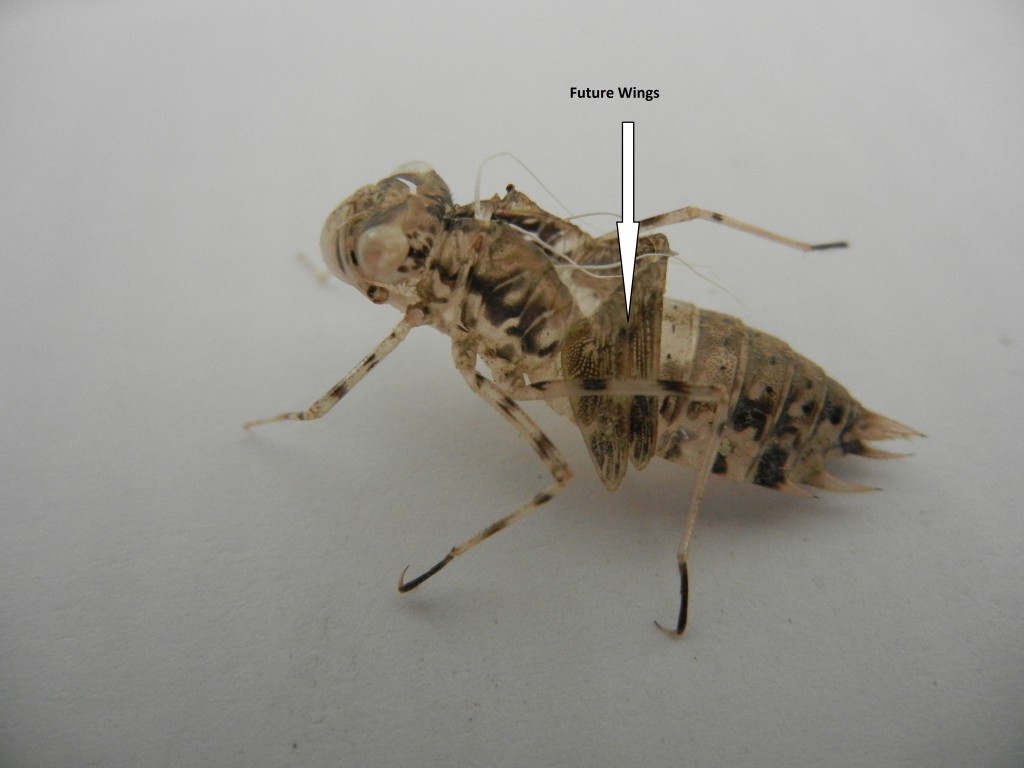 And if you look closely at the ends of the legs, especially the last 2 pair, you can see that they have sharp hooks on them. This is especially helpful when attaching to a rock or plant stalk when getting ready to emerge. It will need to stay firmly attached so that it does not fall down, or even back into the water in the middle of its transformation. There is an incredible amount of motion that goes on when the adult emerges. It is also at its most vulnerable at this stage. It’s exoskeleton is very soft and its wings have not expanded and hardened yet. It takes the rest of the night – several hours in fact to harden and in the morning, when the sun finally comes up, off they fly on their first ever flight. Wow.

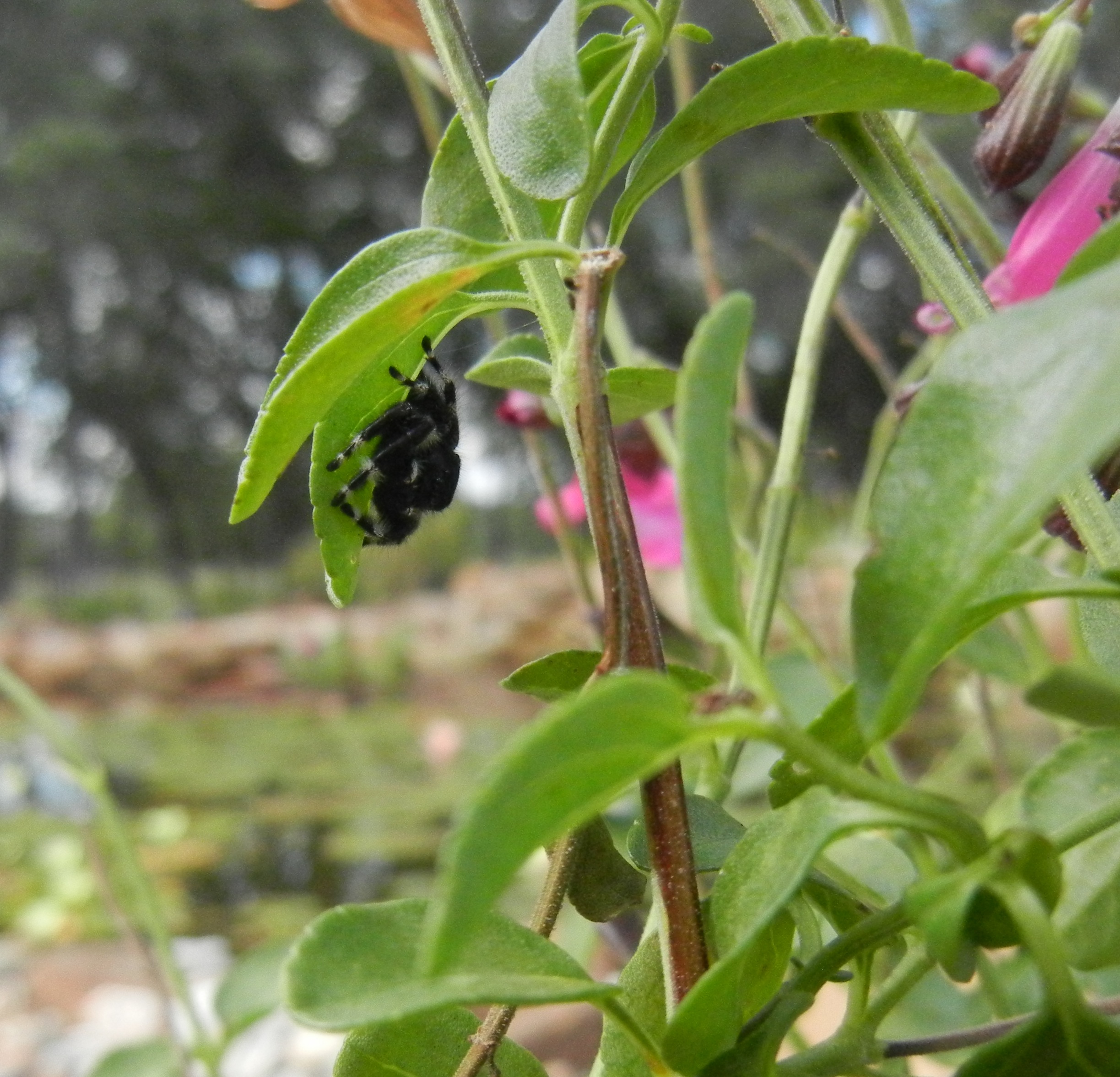
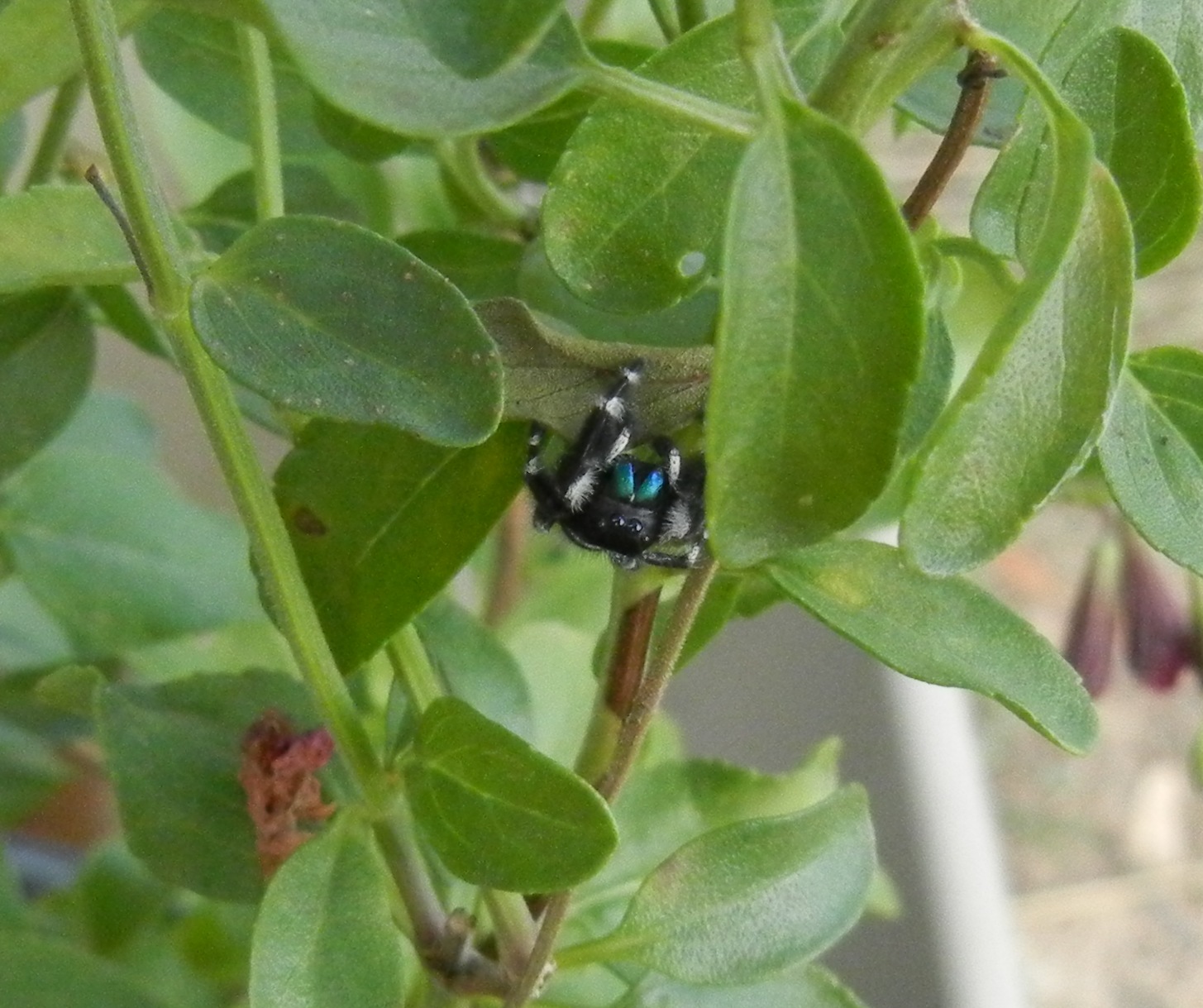
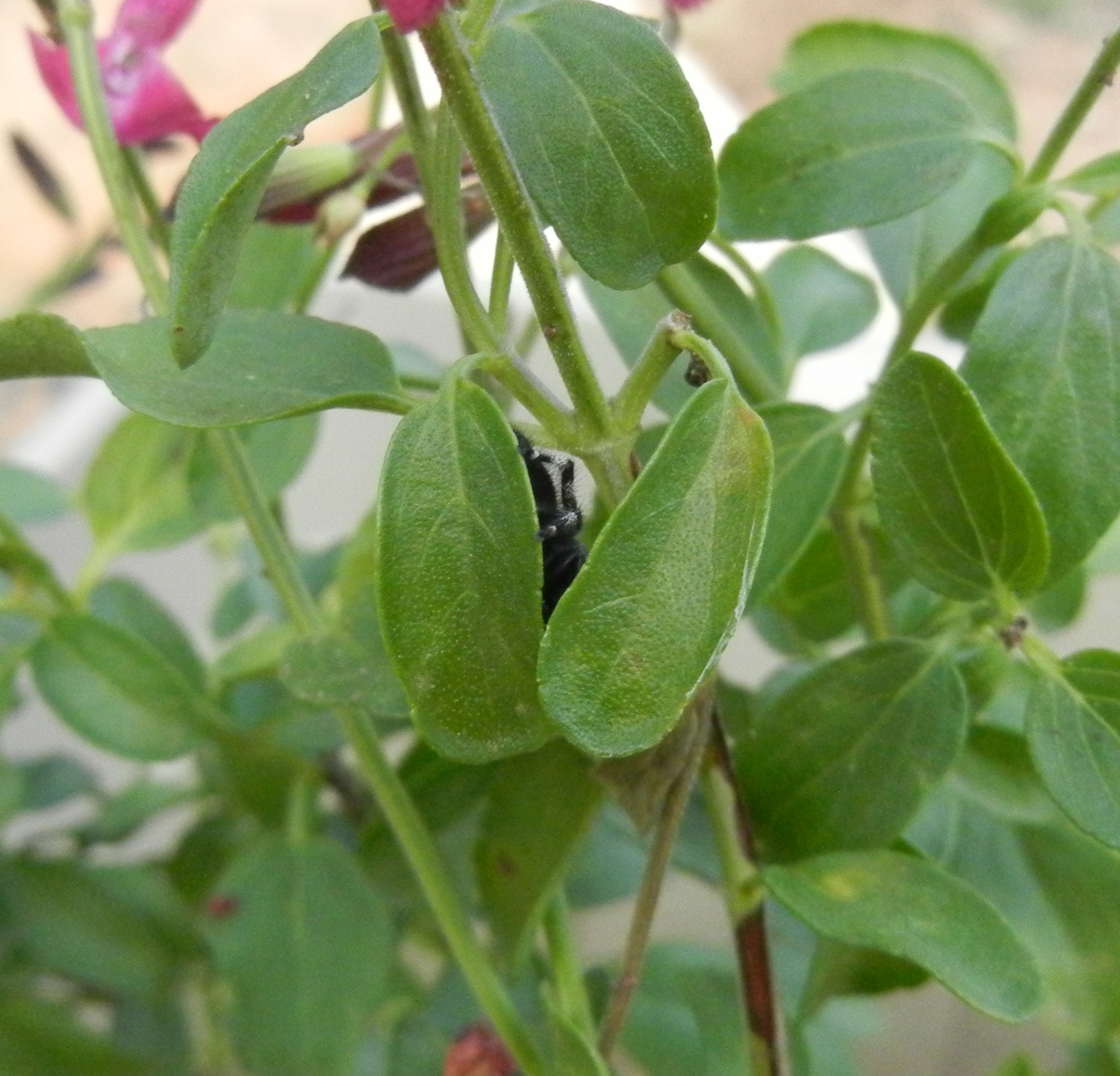
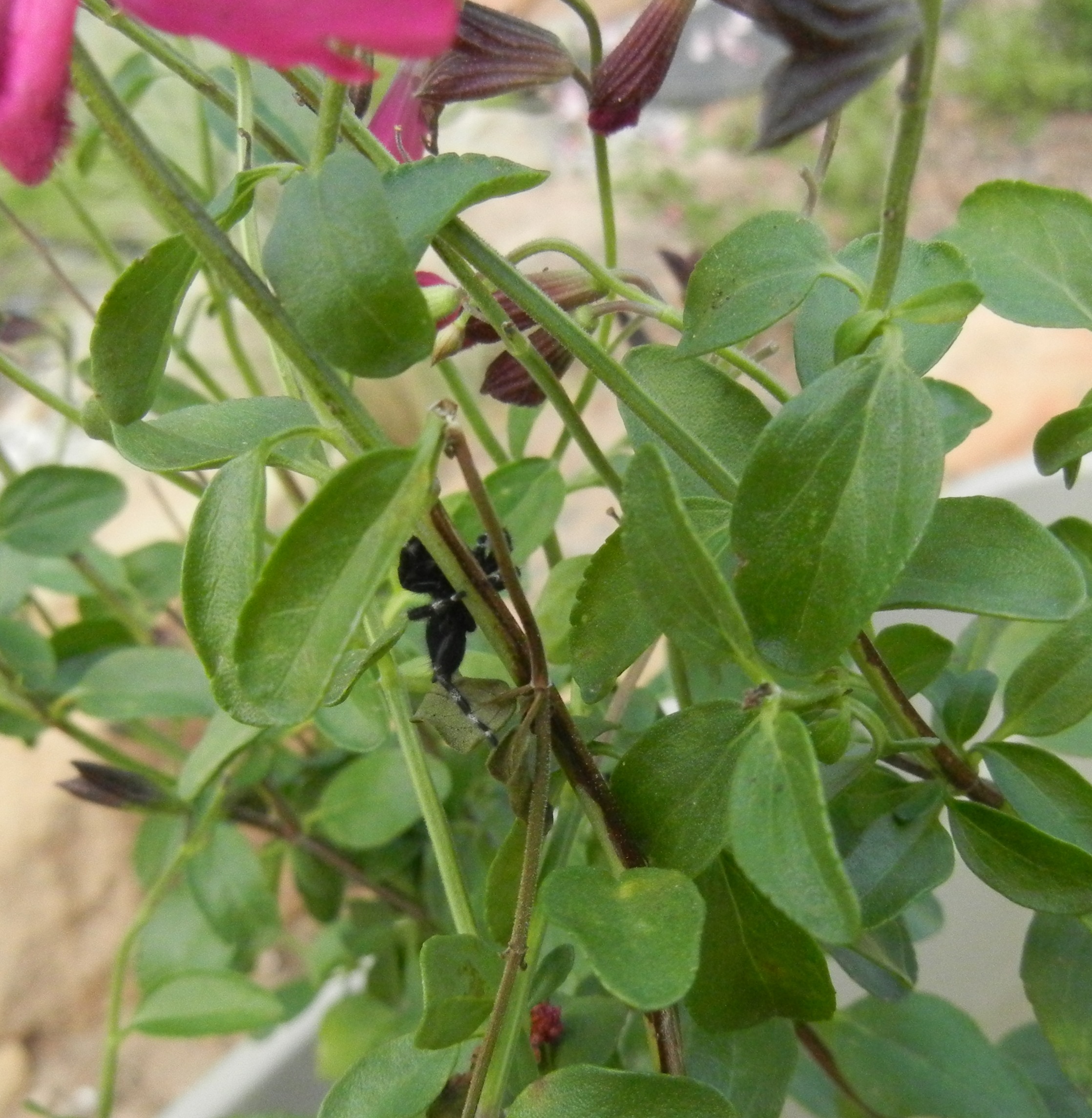
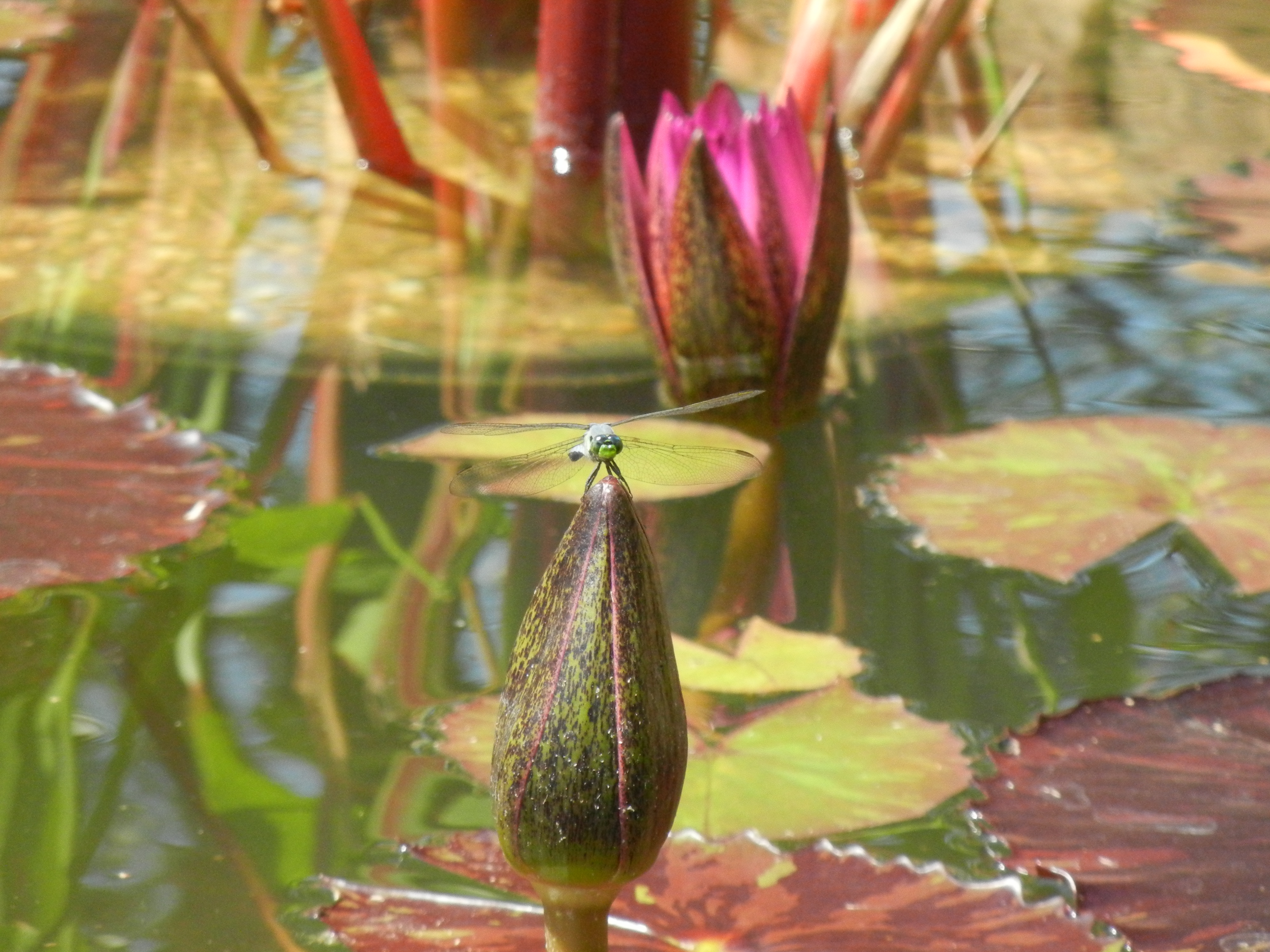
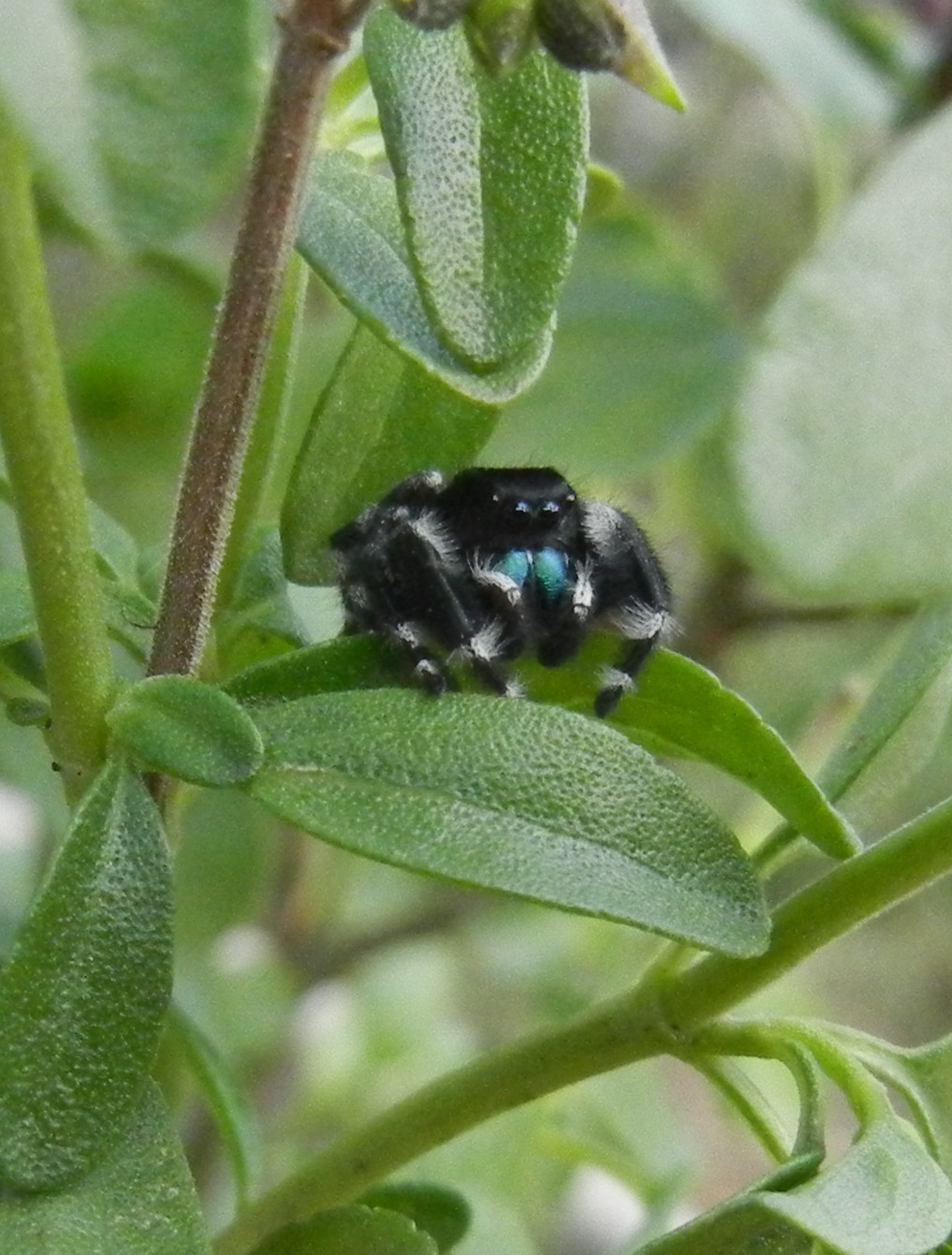 What a cutie! Although looking at him sitting there holding tightly onto his leaf, he may still be just a tiny little bit apprehensive. I put the camera down and quickly (and gently) planted his world.